To keep your chickens safe with electric fencing, install a two-wire system with strands at 4-6 and 10 inches high, powered by a charger delivering 5,000-6,000 volts. You’ll need proper grounding rods, insulators, and posts spaced 8-12 feet apart. Maintain daily voltage checks, trim vegetation regularly, and install warning signs for safety. Regular maintenance and monitoring will guarantee your electric fence provides reliable protection against predators, with many additional strategies to enhance your setup’s effectiveness.
Essential Components of an Electric Fence System
Five core components make up an effective electric fence system for protecting chickens: wire configurations, fence charger, grounding system, posts with insulators, and maintenance accessories. Among the fence wire types, you’ll need either a two-wire setup with strands at 4-6 and 10 inches high, or electrified mesh netting. Your fence charger must deliver 5,000-6,000 volts through insulated connections, while grounding essentials include 6-foot-deep rods near the charger. Install wooden stakes or T-posts with proper insulators to support your chosen wire configuration, spacing them to maintain tension. You’ll also need testing equipment to monitor voltage, warning signs for safety compliance, and gate handles for access points. Regular maintenance tools guarantee your system remains effective at deterring predators. Aluminum wire is particularly recommended for optimal conductivity and long-term performance in electric fencing systems.

POWERFUL PLUG-IN POWER. CHICKENS SLEEP SOUND, GARDENS STAY YOURS - Steady 110V AC power runs your netting or wire fence day and night—no sun or batteries. A cost-effective alternative to solar with safe, pulsed deterrent built in.

Powerful Performance: This electric fence charger delivers a peak output energy of up to 0.1 Joules, providing reliable protection for your property. With a distance range of up to 2 miles and coverage for 8 acres, it’s ideal for keeping livestock safe and secure.
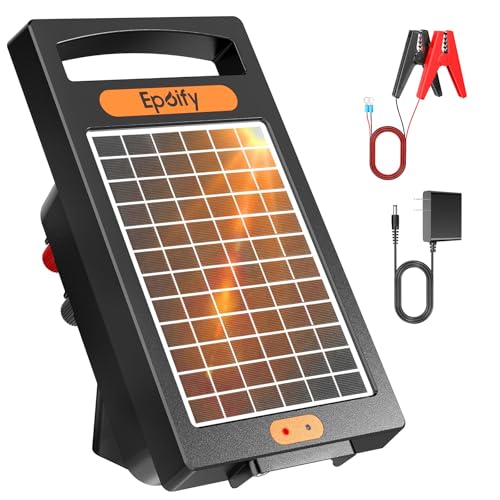
0.18J OUTPUT FOR LIVESTOCK CONTROL & PREDATOR DETERRENCE: This solar fence charger delivers a consistent 0.18 Joule pulse to contain cattle, goats, and poultry while discouraging raccoons, foxes, and stray animals from approaching your fence
Safety Guidelines for Chicken and Human Protection
While protecting chickens with electric fencing is effective, implementing proper safety measures is crucial for both human and poultry welfare. Start by educating your family about the fence’s function and potential hazards, especially children who need to understand the risks. Install visible warning signs on all sides of the fence and create safe entry points with gate systems that interrupt the current.
For voltage safety, maintain settings appropriate for poultry that deliver deterrent shocks without causing harm. Keep bottom wires 4-6 inches above ground to prevent shorting from vegetation, and regularly test voltage levels to guarantee they stay around 6,000 volts. A 9V battery system provides reliable power while allowing quick disconnection in emergencies. Install proper grounding rods in moist earth and use insulated wires with appropriate insulators. Consider combining electric fencing with physical barriers for enhanced protection while reducing shock risks.
Selecting the Right Voltage and Power Source
Selecting appropriate voltage and power specifications for your chicken fence requires careful consideration of multiple technical factors. While energizers can deliver up to 7,000 volts, you’ll find that 500-900 volts effectively contains poultry without causing harm. Your voltage selection should account for fence length and vegetation contact.
For ideal performance, choose an energizer with a 0.1-0.2 joule rating, which provides sufficient energy per pulse for chicken containment. When selecting a power source, AC/plug-in energizers offer the most reliable and consistent output. While solar and battery options provide portability, they may deliver lower voltage consistency. You’ll need to regularly test voltage levels along your fence line, particularly at extremities and midpoints, to guarantee proper containment. Keep vegetation cleared and maintain proper grounding for consistent voltage delivery. Using visible fence markers like ribbons or flags helps chickens recognize and learn to avoid the electric fence.

Preventing Intruders: This electric fence controller is a pulse actuator that protects livestock or crops within the fence and prevents wild animals such as foxes, skunks, and raccoons from entering. The electric shock will not harm them, but it will keep them away from your garden or chicken coop
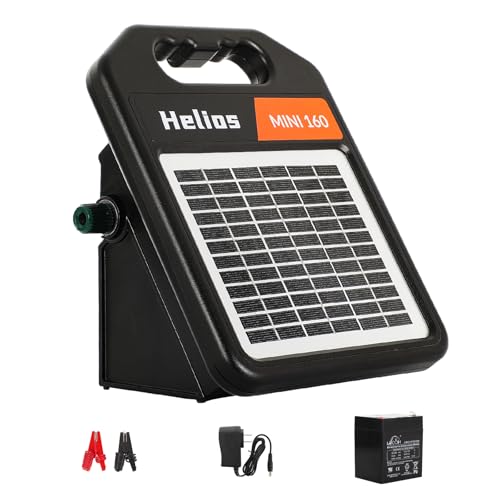
Powerful Energizer: Solar Fence Charger is compact and easy to install and move, making it the ideal solution for strip grazing. Energizes up to 10 miles of electric fencing
Proper Installation and Layout Techniques
To guarantee your electric fence effectively protects your chickens, proper installation begins with thorough site preparation and strategic layout planning. You’ll need to clear all vegetation and debris along your intended fence line, then mark your perimeter using stakes to ascertain a continuous barrier without gaps. Flattening vegetation over 4 inches tall is essential for optimal fence performance.
Space your fence posts 8 to 12 feet apart, using sturdier braced posts at corners and ends to maintain proper wire tension. Install non-conductive insulators on posts to prevent grounding, and position your electric wires at multiple heights – typically 4-6 inches and 10-12 inches from the ground. Your fence layout should account for gates and access points while avoiding steep slopes or rocky terrain that could compromise stability. Remember to keep wires taut but not overstretched, and ascertain proper spacing between strands to prevent chickens from squeezing through.
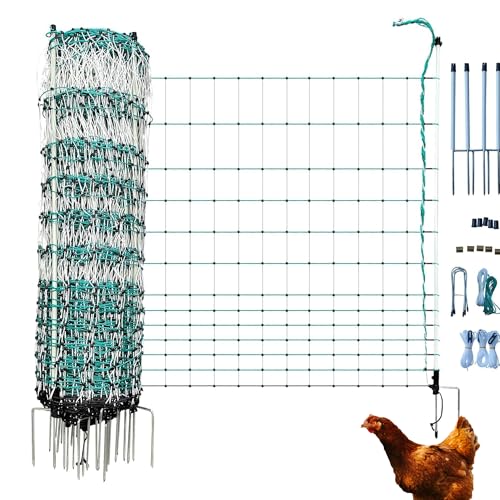
Consistent Power, Reliable Protection | Triple-braided stainless steel and copper conductive wires deliver steady current when connected to a compatible low-impedance intermittent pulse energizer. This 48" electric poultry netting helps create a dependable electric fence for chickens, ducks, turkeys, and other poultry. Energizer is sold separately

Reliable Poultry Fence:The electric netting fence is 47.2in high and 164ft long. Poultry netting electric fence can confine chickens, ducks, turkeys, geese and other poultry, protect them from predators, allow them to be more free in a safe area, promote their natural behavior and overall health

【Ultra-Portable Solar Charger】Designed for convenience, this lightweight solar electric fence charger can be quickly moved between fences near your house or out in grazing areas. Perfect for creating a safe boundary for dogs, goats, and small pets. Don't overlook this handy "go-anywhere" tool!
Best Practices for Predator Prevention
Effective predator prevention requires a multi-layered approach beyond basic fence installation. You’ll need to tailor your electric fencing design to combat common predator types in your area. For jumping predators like cougars and bobcats, install 4-foot or taller netting with outward-angled tops. To deter aerial threats, create smaller enclosed areas and add crisscrossed fishing line overhead. Multi-step latches on coop doors provide an essential extra layer of security against raccoons and other clever predators.
The modular design system makes installation straightforward even for beginners. Ensure your fence delivers sufficient voltage through proper grounding and continuous circuit flow. Motion sensors provide additional security by activating lights that startle nighttime predators. Combine your electric fencing with physical barriers like hardware cloth and visual deterrents such as reflective tape. Don’t forget to protect against burrowing predators by adding barrier base protection. For maximum effectiveness, maintain minimal ground clearance and position fences strategically around high-risk areas like coops and runs.

1. 🐓 Effective Predator Protection: Secure electric poultry netting protects chickens, ducks, and turkeys from predators like raccoons, foxes, and coyotes. Ideal chicken electric fence for farms and backyards.

Create a Safer Space for Your Flock | Give your chickens, ducks, dogs, and other animals a dedicated outdoor area with this non-electric chicken fence netting. Use it as a poultry fence, garden fence, or yard boundary to help keep animals contained and protect areas you want off-limits

【Include】Chicken Wire mesh x 14 pieces, hooks x 28 pieces, black ties x 56 pieces.Suitable for chicken coop item number AIR46.
Daily Monitoring and Maintenance Requirements
Once you’ve installed your electric fence system, implementing a robust daily monitoring routine becomes crucial for maintaining its effectiveness. You’ll need to perform daily inspections of the fence line, checking voltage levels and looking for any signs of damage or interference. During the first week of installation, daily checks are recommended to ensure proper animal learning and adjustment to the system.
Your ongoing maintenance should include testing voltage with a fence tester to guarantee it maintains at least 3,000 volts, trimming vegetation that contacts the fence, and inspecting insulators for cracks or wear. Keep the perimeter clear by removing fallen branches, debris, and addressing any molehills or water pooling that could affect grounding. Don’t forget to check all connections between the energizer, fence wires, and grounding rod for corrosion or loose fittings. Turn off the energizer before making any repairs to guarantee your safety.
Cost-Effective Setup and Long-Term Benefits
While electric fencing systems require an initial investment, you’ll find the long-term financial benefits far outweigh the startup costs. Several budget-friendly options exist, from basic wire setups to more extensive mesh netting systems. You can start with a small energizer under $50 for modest enclosures, adding components as needed. Step-in posts typically need replacement every 5 years due to sun exposure and weathering. While Anatolian Shepherds provide excellent predator protection, electric fencing offers a more affordable alternative.
To maximize long-term savings, invest in quality materials upfront to reduce replacement frequency. Solar-powered energizers, though costlier initially, minimize ongoing electricity expenses. Regular maintenance, like grass trimming and component inspection, prevents energy waste and extends fence life. Most importantly, effective predator protection saves you from devastating flock losses, making electric fencing a sound financial decision for protecting your poultry investment.

SOLAR POWER: Operate for up to 2 weeks without sunlight as this solar fence charger uses its internal rechargeable battery to provide reliable power for your electric fence system even in remote locations

【Ultra Long Coverage Range】This electric fence energizer solar up to 5 miles of fence line with 0.11J output. Perfect for livestock fencing, horse pasture, and cattle enclosure. If you have large-scale agriculture or livestock farming, this is your ideal choice to protect your private property.
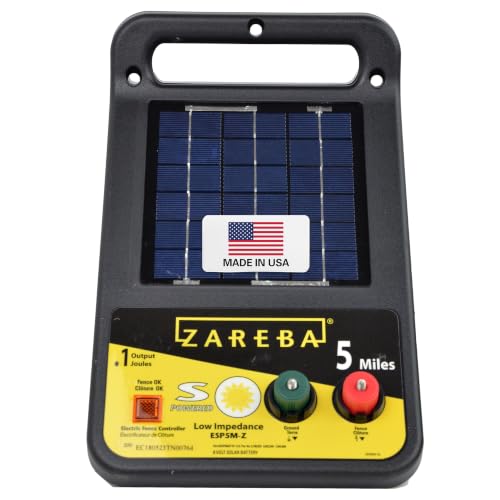
SOLAR POWER: Use this solar electric fence charger to energize up to 5 miles of electric fencing in ideal conditions, providing reliable livestock containment without requiring AC power access for remote locations