Your chickens can safely survive temperatures as low as -20°F (-29°C) due to their natural cold-weather adaptations like fluffed feathers, regulated blood flow, and high body temperatures of 105-107°F. To prevent illness, you’ll need proper shelter with good ventilation, draft protection, and adequate insulation. Cold-hardy breeds like Chanteclers and Buff Orpingtons handle winter especially well. Understanding specific shelter requirements and monitoring techniques will guarantee your flock’s winter wellness.
Natural Cold Protection in Chickens
Chickens possess remarkable physiological adaptations that enable them to withstand cold temperatures. Their primary defense against winter’s chill comes from sophisticated feather insulation mechanisms. By fluffing their feathers, they create a protective microclimate that traps warm air close to their skin, functioning like a natural down jacket.
Your chickens regulate blood flow strategically to manage heat loss. They’ll restrict circulation to exposed areas like combs, wattles, and feet, reducing the risk of frostbite while maintaining core temperature. This process works in conjunction with their high basal body temperature of 105-107°F. You’ll notice they’ll also adjust their posture throughout the day, hunching over and tucking their heads to minimize exposed surface area, while their natural oils from preening provide additional waterproofing protection against moisture-induced heat loss. Selecting cold-hardy chicken breeds can further enhance your flock’s natural ability to thrive in winter conditions without additional heating. However, the energy demands of maintaining body temperature in winter can impact other physiological processes, which is why supplemental light becomes crucial for sustained egg production during colder months. During extremely cold nights, chickens instinctively practice group huddling behavior to share and preserve body heat.

All-Weather Protection for Outdoor Survival: Built with a durable 3-layer design, this all-weather survival blanket combines reflective Mylar and rugged polypropylene to help retain body heat while blocking wind and moisture. Ideal for camping, hiking, hunting, or emergency preparedness when dependable protection matters.

Reliable Chicken Coop Insulation for Winter—You will receive a chicken coop cover measuring 6x10ft,14pcs 7.8in elastic ties and 33ft rope.The tarp cover is pretty durable and have grommets all the way around,rope and elastic ties ensures you can install and secure more quickly.

Waterproof Material: Crafted from tear-resistant and translucent PE material, this chicken coop cover provides protection from rain, snow, and wind during winter. The translucent design allows sunlight in for warmth and visibility, while effectively insulating the coop to keep your chickens cozy and safe from the cold
Safe Temperature Ranges for Adult Birds
While adult chickens demonstrate remarkable adaptability to varying temperatures, they maintain optimum health and productivity within specific thermal ranges. Their temperature preferences center around 60-75°F, with best comfort occurring between 70-75°F. You’ll notice your flock’s winter adaptation capabilities allow them to survive subzero temperatures when provided proper shelter, though prolonged exposure below 40°F can induce stress.
Your adult birds can withstand temperatures below freezing, but you’ll need to monitor for signs of cold stress like puffed feathers or decreased activity. Cold-hardy breeds such as Rhode Island Reds and Plymouth Rocks exhibit superior tolerance to winter conditions. Adding extra bedding material helps insulate the coop and keeps your chickens warm during harsh winter conditions. During winter months, hens require adequate calcium supplementation to maintain strong egg production and prevent skeletal problems that can occur when their bodies draw calcium from their bones. Winter feeding programs should ensure continuous access to feed to help your chickens maintain body heat and energy levels during cold weather. To maintain health and egg production, verify your coop provides draft-free, dry conditions while maintaining adequate ventilation. Remember, sudden temperature fluctuations pose greater risks than gradual seasonal changes.
Essential Winter Housing Requirements
Providing proper winter housing determines your flock’s survival during cold months. Your coop design must incorporate multiple critical elements: predator-proof construction with fencing buried 6-12 inches underground, a water-tight roof, and strategic ventilation placement to prevent drafts while maintaining airflow.
Install Poly-Iso foam insulation materials in areas chickens can’t reach, ensuring you don’t block essential ventilation points. Check and repair nesting boxes to create comfortable egg-laying spots. You’ll need cross-ventilation positioned high in the coop to manage moisture and ammonia levels without creating drafts. Implement deep litter bedding using pine shavings, which provides natural insulation through heat-generating decomposition. Your run should feature covered areas with Perspex or plastic to prevent mud accumulation and protect against harsh weather. Understanding chicken behavior and their natural tendencies can help you design a coop layout that keeps your flock content and healthy during winter months. Maintain secure fencing around the run to defend against winter predators. Allocate sufficient space by providing 10 square feet per chicken in the run to ensure proper movement and maintain flock health throughout the winter season.

𝐓𝐡𝐢𝐜𝐤𝐞𝐫 𝐂𝐡𝐢𝐜𝐤𝐞𝐧 𝐜𝐨𝐨𝐩: This chicken house features a rugged asphalt roof designed to endure heavy storms, rain, snow, and hail. More importantly, we use solid wood panels that are 1.38 inches thick—substantially thicker than most competitors. This robust construction provides superior insulation and durability, ensuring your flock stays safe and sheltered through every season

【Wind and Snow Resistance】: The chicken coop cover is made from tear-resistant PE material, featuring metal grommets every 19 inches. Complete with all necessary accessories, it provides seamless reinforcement with no blind spots. This design effectively withstands strong winds, heavy rain, and winter cold, maintaining a dry and warm interior environment. It is the ideal choice for chicken coop winter wrap
Waterproof Material: Crafted from tear-resistant and translucent PE material, this chicken coop cover provides protection from rain, snow, and wind during winter. The translucent design allows sunlight in for warmth and visibility, while effectively insulating the coop to keep your chickens cozy and safe from the cold
Monitoring Your Flock for Cold Stress
To effectively safeguard your flock during winter, you’ll need to monitor specific behavioral and physical indicators of cold stress. During your daily flock observation, watch for birds fluffing their feathers excessively or huddling together, as these are primary signs of temperature discomfort. Check for visible shivering, reduced activity, and unusual quietness among your chickens.
Pay particular attention to their combs, wattles, and toes for signs of frostbite, which appear as pale or blackened areas. You’ll also want to monitor their feeding patterns, as cold-stressed birds typically increase consumption to generate metabolic heat. Look for changes in normal behaviors like preening and dust-bathing. Regular monthly health checks are essential to assess your flock’s overall resilience against winter conditions. Additionally, ensure your chickens have access to unfrozen water by using heated water bases or placing black rubber tubs in sunny locations to prevent dehydration during cold snaps. Overcrowding can exacerbate stress and disease during winter, so ensure each bird has adequate coop space of 2-4 square feet to maintain their health and comfort. If you notice lethargy, reduced egg production, or poor feather quality, these indicate significant cold stress requiring immediate intervention.

【SMART HEAT, FREEZE-PROOF】Keep your flock's water from freezing with this heated chicken waterer for winter—a cold-weather essential that reliably prevents ice down to -20°F. Its built-in 250W thermostat-controlled chicken waterer heater activates automatically at 35°F (2°C) and turns off at 70°F (21°C), making it a truly freeze proof chicken waterer. Note: Melts ice only, water does not get hot.

Year-Round Ready - Our heated poultry drinker keeps water from freezing during the cold winter and stays warmer. In summer, you can use waterer directly without plugging, which can provide warm and clean drinking water for your chickens year-round.

【Prevents Water from Freezing】-- The poultry water heater base is made of a safety standard power cord that has passed multiple quality tests, which will not melt the plastic and scald the chickens when in use. Heating base of the chicken waterer is made of galvanised steel, making it resistant to rust and corrosion. There is no need for you to go outside every day in the cold weather to change the frozen water.
Cold-Hardy Breeds vs. Sensitive Breeds
Since winter temperatures can greatly impact flock survival, choosing between cold-hardy and sensitive chicken breeds becomes essential for successful poultry keeping. Cold hardy advantages include dense feathering, smaller combs, and consistent egg production even in freezing conditions. Breeds like Brahmas, Wyandottes, and Plymouth Rocks demonstrate superior cold tolerance while maintaining productive laying cycles of 200-275 eggs annually. Consider giving chickens scratch feed before nightfall to help them generate warmth through digestion during cold nights.
Sensitive breed vulnerabilities primarily stem from large combs and wattles that increase frostbite risk, coupled with insufficient feathering for proper insulation. You’ll find that breeds with these characteristics often reduce or stop egg production during winter months. The Chantecler breed stands out as an exceptional cold-weather chicken, originally developed in Canada specifically for surviving harsh winters. For ideal winter performance, select breeds specifically developed for cold resistance, such as Buff Orpingtons or Ameraucanas, which feature protective physical adaptations like pea combs and thick plumage. Additionally, monitoring your birds for molting during winter is crucial since their feathers provide the natural insulation needed to withstand cold temperatures.
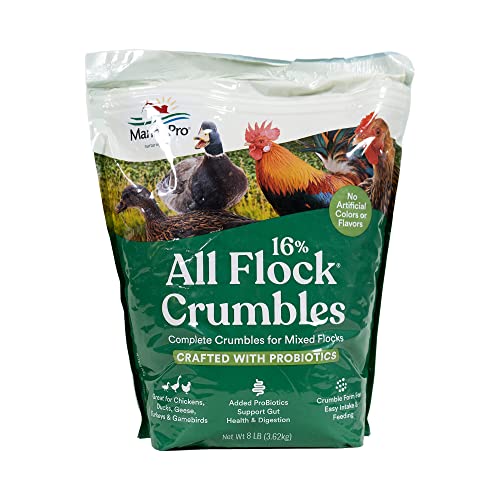
COMPLETE ALL FLOCK FEED FOR MIXED BACKYARD FLOCKS: Versatile poultry feed & all flock feed designed to support chickens, ducks, turkeys, geese, & more; a balanced bird food that simplifies feeding a diverse species in your backyard or homestead

NATURAL SOIL BUILDER - Hairy Vetch (Vicia villosa) is a proven nitrogen fixing legume that enriches garden soil, helping restore nutrients and improve structure for stronger vegetables, flowers, and healthier seasonal growth

SIMPLE FORMULA: Crafted with Corn, Milo, and Wheat for a nutritious and simple blend.
Special Winter Care Tips and Strategies
Beyond selecting cold-hardy breeds, proper winter care strategies will determine your flock’s survival and well-being during harsh weather. Focus on coop insulation by sealing gaps and adding materials like carpet, bubble wrap, or cardboard while maintaining roof ventilation. Don’t rely on supplemental heat, as chickens naturally regulate body temperature through huddling and feather insulation.
Consider installing a coop skirt to block wind-driven rain and provide additional protection. Increase winter feed rations since birds burn more calories staying warm. Provide high-energy feeds like corn and scatter treats to encourage movement. Keep water unfrozen using heated waterers or frequent replenishing. Monitor for frostbite on combs and wattles, applying petroleum jelly when needed. Maintain a dry environment by removing wet bedding promptly and guarantee proper ventilation to prevent respiratory issues. Use the deep litter method for additional warmth through natural decomposition. If you must provide supplemental heat during extreme cold, avoid heat lamps and instead use safer alternatives like low-wattage flat panel heaters or heated ceramic bulbs. Ensure your draft-free shelter protects the flock adequately, as chickens can withstand subzero temperatures when properly housed.

AlUMINUM REFLECTIVE INSULATION ROLL SIZE: 48''(W) x 10Ft (L), Easy to cut that can cater to all your home or RV window sizes, sturdy and lightweight. Easy Install With Adhesive Adop

Package Includes: Receive a comprehensive kit featuring a chicken coop cover measuring about 6.6x10 ft, along with 1 roll of 32.8ft rope and 10 pcs elastic cords, fulfilling various installation needs. This complete set ensures you can easily and securely set up the tarp.

【Package includes】You will get 6.5*9.8FT chicken coop cover for winter(Chicken Coop Not Included) and a 16 FT long rope, which can protect your chicks and ducklings from wind, rain, and snow.