You’ll want to avoid feeding your chickens avocados, fruit pits, nightshade vegetables, onions, rhubarb leaves, and moldy grains—they contain toxins like persin, cyanide, solanine, and aflatoxins that cause organ failure or sudden death. Raw beans, chocolate, caffeine, and high-sodium foods pose serious risks too. Kitchen scraps shouldn’t exceed 10% of their daily diet. Proper feed storage below 70°F and regular mold monitoring are essential preventive measures. Understanding which specific plants in your coop’s vicinity pose dangers requires exploring the complete toxic compound profiles and emergency protocols.
Toxic Fruits, Seeds, and Pits
Toxic Fruits, Seeds, and Pits
Certain fruits, seeds, and pits pose serious health risks to chickens because they contain compounds that damage essential organs and disrupt normal bodily functions. You must avoid toxic fruits like avocados, which contain persin toxin causing respiratory difficulty, heart damage, and sudden death. Avocado flesh should be offered only with extreme caution if chosen to be fed. Hazardous pits from cherries, plums, peaches, and apricots release cyanide—a cardiac toxin potentially fatal to your flock. Similarly, poisonous seeds from apples and pears contain amygdalin, which converts to cyanide during digestion, triggering heart issues, seizures, and respiratory changes. Chickens can also become ill from eating other toxic fruits if they ingest them accidentally. Additionally, be aware that all parts of pokeweed are toxic to poultry, especially the roots and seeds that contain high concentrations of harmful compounds. Onions, a member of the allium family, are also unsafe and can cause serious health issues for your chickens. Seeking alternatives to toxic treats can help ensure your chickens enjoy a safe and nutritious diet with healthy homemade snacks that keep them happy.
For fruit safety, you should remove all pits and seeds before feeding fruit to chickens. However, grape seeds, citrus seeds, and seeds from squash, pumpkins, and melons remain safe options. Cooked grains like rice, wheat, corn, and oats provide essential carbohydrates without the toxic risks associated with unprepared fruits. This precaution prevents toxic exposure and protects your birds’ cardiovascular and gastrointestinal systems.

#1 Ingredient Is Real Fruit: Farm-shaped fruit flavored snacks made with organic pear puree (see nutrition panel for complete list of ingredients; not intended to replace fruit in the diet)

Made with Real Fruit and Veggie Puree: Fruit flavored snacks made with real fruit and veggie puree, including apple, pear, and carrot purees, for a sweet, soft, and chewy bite

Made with Real Fruit and Veggie Puree: Fruit flavored snacks made with real fruit and veggie puree, including apple, pear, and carrot purees, for a sweet, soft, and chewy bite
Dangerous Vegetables, Leaves, and Garden Plants
While fruits demand careful seed and pit removal, vegetables and plants present an equally serious threat to your flock through various toxic compounds.
Nightshade vegetables—potatoes, tomatoes, eggplants, and peppers—contain solanine, a toxic alkaloid concentrated in green parts and leaves. You must avoid offering these dangerous vegetables raw or green, as cooking doesn’t eliminate the toxin. It is advisable to also recommend alternative sources of safe vegetables to ensure your chickens receive a healthy diet and maintain their overall health, as toxic foods can lead to serious ailments. Additionally, it is crucial to monitor for other toxic plants like foxglove that can harm your chickens while they free-range.
Rhubarb leaves contain oxalic acid and anthraquinones, causing kidney failure and severe laxative effects. Never feed these toxic leaves to your chickens.
Onion family plants contain thiosulfate, which damages red blood cells and causes anemia. This includes leeks, which belong to the allium family and can pose additional health risks for your chickens. Even small amounts of green onions can lead to digestive upset and lethargy.
Raw or undercooked beans contain phytohaemagglutinin, a fatal toxin causing intestinal damage. Toxicity may vary depending on the bean variety and preparation method used.
Additionally, ornamental plants like foxglove, lily of the valley, and ferns are severely toxic. You should completely exclude these from your chickens’ environment.
Harmful Human Foods and Additives
Your chickens’ safety depends on understanding which common household foods and kitchen byproducts pose serious health risks. Caffeine dangers are significant—coffee grounds, tea, and chocolate contain methylxanthines that trigger hyperactivity, tremors, cardiac arrhythmias, and death. Persin risks stem from avocado consumption; this fungicidal toxin causes myocardial necrosis and sudden death in poultry. High-sodium foods disrupt electrolyte balance, causing dehydration, kidney failure, and reproductive impairment, and maintaining a balanced diet is crucial for keeping chickens healthy. Additionally, feeding chickens spicy foods like chili peppers can be safe, as they do not sense capsaicin, which means they won’t experience the same adverse reactions that mammals do. A well-constructed chicken coop with adequate space can help prevent stress, which may further improve their overall health. Moldy grains and nuts harbor aflatoxins that damage liver function and suppress immunity, and even small amounts of moldy feed can lead to serious health issues. Processed human foods—candy, baked goods, and fatty leftovers—lack nutritional value and promote metabolic dysfunction. Raw beans contain toxic compounds that can be fatal if not properly soaked and boiled for at least thirty minutes before feeding. Never allow flock access to discarded kitchen waste, spent coffee grounds, or contaminated compost. Pickles, with their high salt content, can pose serious health risks to chickens if consumed frequently. Secure all pet foods and seasoned sauces containing salt or stimulants to prevent accidental poisoning.

Dual Nutrient Blend of Vitamins & Minerals: Formulated with scientifically matched vitamin and mineral ingredients to support balanced nutrition intake for your poultry. Essential vitamins help support steady growth status, while included minerals assist normal feather development, offering all-around daily nutritional support for your flock.
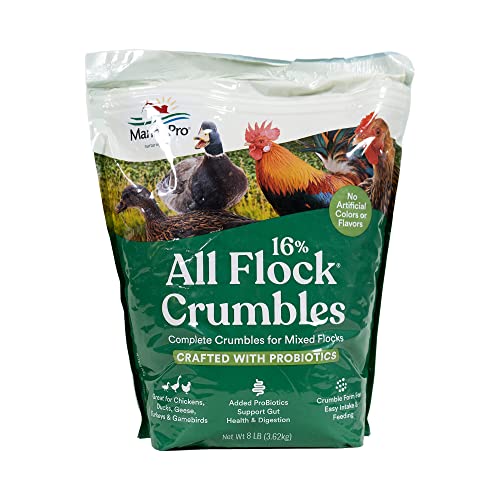
COMPLETE ALL FLOCK FEED FOR MIXED BACKYARD FLOCKS: Versatile poultry feed & all flock feed designed to support chickens, ducks, turkeys, geese, & more; a balanced bird food that simplifies feeding a diverse species in your backyard or homestead

Formulated for Chickens, Effective for All Poultry: Specially developed to provide balanced nutrition support for chickens while remaining effective for ducks, turkeys, and other poultry. This E+S blend (with selenium for chickens) helps maintain vitality, balance, and overall condition in diverse flocks of all ages.
Risks From Legumes, Grains, and Preparation Methods
Because raw dried beans contain phytohaemagglutinin—a potent toxin affecting monogastric animals like chickens—you must never feed them uncooked. This toxin disrupts microvilli structure and enzymatic activity in your chickens’ small intestines, causing vomiting, diarrhea, and potentially death from just three to four beans. Legume safety requires thorough cooking to neutralize phytohaemagglutinin completely. Additionally, chickens like Black Sex Link chickens benefit from a varied diet that includes safely prepared legumes.
Similarly, grain hazards demand careful attention. You’ll want to avoid sorghum grain, corn cockle seeds, and vetch seeds entirely. Uncooked rice poses life-threatening blockage risks as it swells dangerously in your flock’s digestive system, as do dried beans. Apple seeds and stone fruit pits should also be removed before offering any fruits, as they contain cyanide and toxins that can cause respiratory failure.
Always cook legumes thoroughly and discard any green potato parts before preparation. These straightforward precautions protect your chickens from serious illness and death.

All-Purpose Seasoning: Enhance your meals with Badia Complete Seasoning, a versatile spice blend perfect for meats, vegetables, soups, and more


No hydrogenated fats or high fructose corn syrup allowed in any food
Toxins Found in Nuts, Seeds, and Weeds
Beyond legumes and grains, nuts, seeds, and weeds present distinct toxicological hazards that demand equally rigorous management. You must recognize that toxic nut varieties like raw peanuts harbor mold risks and enzyme complications causing liver damage. Aflatoxins from Aspergillus flavus contaminate nuts and corn, producing hepatocarcinogenic compounds. Fruit pits contain cyanide compounds that restrict cellular oxygen, triggering respiratory distress and death in sufficient quantities. Furthermore, chickens are generally subject to varying legal guidelines related to the feeding of animal products, highlighting the importance of responsible feeding practices. It’s essential to offer safe treats that are appropriate for chickens to ensure their health and wellbeing. Adding ingredients like fresh cilantro can provide essential vitamins and antioxidants while being well-liked by chickens. Brahma chickens, for example, are known for their winter hardiness and can provide consistent egg production even in colder months.
Additionally, chickens generally possess four toes on each foot, which allows them to grip their environment effectively. You’ll encounter harmful seed sources through weed contamination in feed. Coffeeweed and coffee senna seeds reduce productivity and cause neurological symptoms. Rattlebox contamination produces liver damage and behavioral changes. Weed seed contamination may lead to production losses and health issues in poultry when present in harvested grains. Additionally, almond seeds and Prunus genus plants trigger serious reactions via profilin compounds. Schefflera seeds contain saponins and oxalic acid causing dermatitis and gastrointestinal distress. Remove all questionable seeds before feeding.
Securing Foraging Areas and Run Space
Creating a secure foraging environment demands careful attention to space allocation, predator exclusion, and pathogen management—three interconnected factors that directly influence flock health and productivity. You’ll need to provide 8–15 sq ft per chicken in your run, adjusting based on whether birds free-range or remain confined. Implement run space management by rotating grazing areas to prevent bare soil and parasite concentration. For vegetation safety, you must remove toxic ornamentals and maintain clearance from suspect plants. The addition of DIY toys can also enhance their foraging experience and encourage natural behavior. Use ¼–½″ hardware cloth for all openings, bury fencing ≥12 inches deep, and install overhead protection against predators. Sevin Dust is often considered by some farmers for pest control, but you should always consult local regulations and experts for safe practices. Additional security measures can help protect your chickens against opportunistic attacks from possums that may enter coops through small openings. Design proper drainage to avoid standing water, and incorporate sealed feed storage. Additionally, providing docile breeds like Cuckoo Marans can enhance the social dynamics of your flock. Barred Rock chickens, known for their calm temperament, are another excellent choice for establishing a peaceful environment. Perches and dust baths within the run provide essential enrichment that encourages natural behaviors, reduces stress-related aggression, and improves overall flock well-being. Multi-level enrichment maximizes usable area without expanding footprint, reducing pecking pressure and stress.
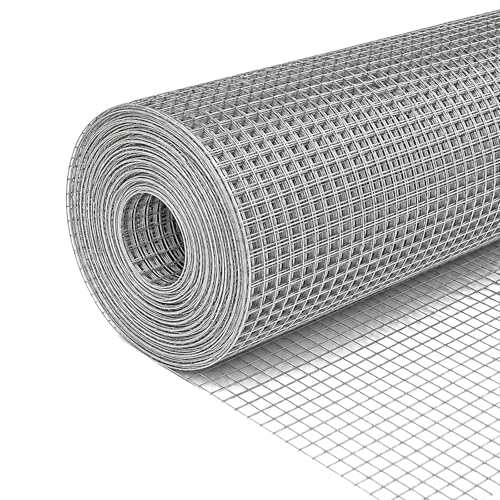
Hardware Cloth 1/2inch for Chicken Coop – 16 inch x 50 ft welded wire mesh made from 23-gauge galvanized steel hardware cloth. Provides reliable strength and flexibility for chicken wire fencing, garden protection, and general outdoor use

High-Quality Anti-Rust Process This hardware cloth is made from high-strength low-carbon steel wire, combining excellent strength with flexibility. After precision welding, the entire product undergoes a premium anti-rust treatment—hot-dip galvanization—with special reinforcement at all seams and corrosion-prone areas to ensure uniform, dense coating and outstanding rust resistance. This process grants the product superior weather resistance, making it an ideal choice for wire mesh fencing and long-term outdoor applications.

Material and size: The size of the hardware cloth is 16 inch×50 ft and 1/2 inch×1/2 inch thickness, adopt 19 guage hot-dipped galvanized material
Safe Kitchen Scrap Guidelines
While your run provides essential space and security for foraging, you’ll need equally thoughtful guidelines for supplementing your flock’s diet with kitchen scraps. Kitchen scrap safety depends on strict portion control—limit scraps to no more than 10% of daily diet to prevent nutrient dilution. Offer a small handful per bird every other day or a medium bowl weekly. Feed scraps in early afternoon, ensuring birds consume everything within 10–20 minutes, then remove uneaten items before roosting. Serve scraps in a dedicated external tray to minimize coop contamination. Always discard moldy, rancid, or spoiled materials immediately. Introducing new scrap types gradually helps ensure flock harmony, reducing the chances of stressors in the environment that could lead to aggressive behavior. Monitor birds for 24–72 hours before making them regular treats. Remember to avoid citrus fruits and other toxic items when selecting kitchen scraps for your chickens. This measured approach protects your flock’s health while preventing waste and pest attraction. Additionally, many fruits, such as apples, can be offered in moderation as nutritious treats and are generally safe for your chickens. To ensure safety, it’s important to remember that cooked potatoes should be included in moderation, as raw potatoes and their skins can be toxic. Interestingly, unseasoned plain popcorn can also be a low-calorie snack option for chickens if fed sparingly. During this time, ensure that the diet supports overall health and feather regrowth, especially if they are experiencing molting periods.
Proper Feed Storage and Mold Prevention
Your kitchen scraps’ safety depends on portion control, but your stored feed’s integrity depends on something equally demanding: rigorous environmental management and contamination prevention.
You’ll maintain airtight, food-grade containers in cool environments below 70°F with 50–60% relative humidity to block mold establishment. Implement strict moisture control by testing feed moisture content periodically—targeting 12–13% for dry feeds—and inspecting bags after temperature fluctuations for condensation. Elevate all feed off concrete floors using pallets to prevent moisture wicking. Research shows that pine shavings can contribute to illness in chickens if not managed properly, highlighting the importance of careful bedding selection.
You’ll rotate stock using first-in, first-out principles and discard visibly damp or caked feed immediately rather than attempt salvage. Clean storage areas regularly, remove spilled feed debris, and sanitize transfer equipment. Mold can originate from various points in the production process, including during grain growth, harvesting, feed mill operations, retail storage, and your personal storage areas, so purchasing from reputable suppliers who provide mycotoxin testing and lot documentation is essential to reduce contaminated inputs before they enter your system.

HOLDS UP TO 14 LBS OF FLOUR : Our extra large 11-liter flour storage container fits a full 14 lbs bag of all-purpose flour or 21 lbs of sugar with room to spare. No more half-empty bags cluttering your counter. This large flour canister is the go-to solution for devoted bakers, large families, and bulk buyers who want a container set that truly handles bulk flour storage. Works equally well as a bread flour container, rice and flour storage container, or general pantry staple organizer.
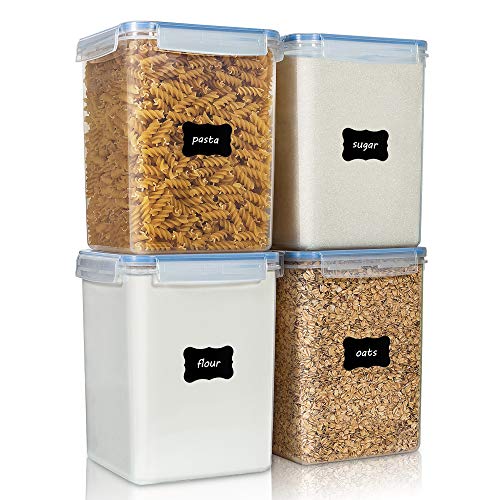
Pantry Organization Solution: These large food storage containers help eliminate messy flour and sugar bags, making everything look neat and in order. Come with 4 premium food storage canisters, 4 measuring cups, and 24 chalkboard labels for comprehensive kitchen organization

Modular Design: Rubbermaid Storage Containers are compact and stackable, optimizing your kitchen storage space.
Recognizing Poisoning Signs and Emergency Response
How quickly can chicken poisoning progress from subtle to life-threatening? Poisoning symptoms in chickens can escalate rapidly, sometimes within hours of toxin exposure. You’ll notice initial signs like lethargy, loss of appetite, and ruffled feathers progressing to neurological manifestations including tremors, paralysis, or drooping wings.
Implement emergency precautions immediately when you observe bloody diarrhea, severe neurological dysfunction, or respiratory distress. Isolate affected birds to prevent disease spread and contact your veterinarian without delay. Document symptom onset and duration meticulously—this timeline helps identify the specific toxin involved. Similar to foodborne illnesses in humans, different toxins require different timelines for symptom manifestation in poultry.
You shouldn’t delay intervention. Remove contaminated feed sources, provide fresh water, and guarantee affected chickens rest in quiet, temperature-controlled environments. Swift action greatly improves survival rates and prevents flock-wide casualties.