To prevent aggressive pecking in your chicken flock, you’ll need to address multiple factors simultaneously. Guarantee proper spacing of 4 square feet per bird in the coop and 8-10 square feet in the run. Provide enrichment through scattered feeds, hanging vegetables, and dust bathing areas. Maintain balanced nutrition with adequate protein and vitamins while managing environmental stressors like overcrowding and poor ventilation. Understanding the complex interplay of these elements will help you develop an effective prevention strategy.
Understanding the Root Causes of Aggressive Pecking
While aggressive pecking is a natural behavior in chickens, understanding its root causes is essential for effective prevention and management. You’ll find that pecking stems from innate behaviors chickens use to explore their environment and establish social hierarchies. However, several factors can transform normal pecking into aggressive behavior.
Genetic factors play a significant role, as certain chicken strains are more predisposed to aggressive tendencies. Environmental stressors like overcrowding, poor ventilation, and improper lighting can trigger hostile pecking. High room temperature can also significantly increase aggressive behavior in the flock. Nutritional deficiencies, particularly in salt and essential nutrients, often lead to increased aggression. External parasites and health issues create discomfort that intensifies pecking behavior. Additionally, social dynamics within the flock, especially during changes in hierarchy or the introduction of new birds, can escalate aggressive interactions. Ensuring your coop provides adequate space—around 3 to 4 square feet per hen indoors—helps reduce the risk of disease and minimizes stress-related aggression.
Signs and Symptoms of Bullying Behavior
Identifying signs of bullying behavior in your chicken flock requires careful observation of both physical and behavioral changes. Using established bully identification techniques, you’ll need to monitor for aggressive pecking that results in feather loss, wounds, or bald spots. Watch for hens that prevent others from accessing food and water sources.
Behavioral observation methods should focus on changes in your flock’s social dynamics. You’ll notice targeted hens displaying avoidance behaviors, hiding from the group, or becoming socially isolated. Understanding the difference between natural pecking order and true bullying is essential for accurate assessment. Look for dominant hens that chase, mount, or excessively peck others. Key indicators of severe bullying include blood, open wounds, significant weight loss, and persistent refusal to integrate. Affected hens may also exhibit vocal changes or stop laying eggs due to stress. Chronic stress from bullying can significantly impact a hen’s health and reduce her productive lifespan, particularly in breeds like Rhode Island Reds that typically thrive for 5 to 8 years under proper care. Some ornamental breeds with delicate plumage, such as those with non-molting tails, require especially secure housing to protect them from aggressive flock mates who may damage their distinctive feathers.
Creating an Enriched Environment for Your Flock
Creating an enriched environment proves essential for preventing aggressive pecking behaviors in chickens through strategic implementation of diverse environmental stimuli. You’ll need to incorporate multiple enrichment types, including quality litter materials like long straw and sand for dust-bathing, elevated platforms for perching, and structural elements that encourage natural behaviors. Environmental variety should include both stationary and dynamic components – rotate enrichments regularly to maintain flock encouragement and interest.
Position enrichments strategically throughout your coop to prevent competition, and maintain proper substrate conditions to guarantee continued engagement. Incorporating pecking blocks with nutrients can significantly improve egg production and quality while satisfying natural foraging instincts. Ensuring clean, fresh water availability is equally critical, as insufficient hydration can contribute to stress and health problems that may trigger aggressive behaviors. You’ll see the best results by introducing these elements early and sustaining them throughout your flock’s life. Consider implementing DIY solutions like hanging vegetables, scattered feeding, and homemade puzzle feeders to cost-effectively enhance your chickens’ environment while reducing aggressive tendencies.

Stress Relief Chicken Enrichment Toys:Designed to reduce boredom, feather pecking, and destructive behavior, our chicken toys encourage natural foraging and activity, keeping your flock mentally stimulated and physically healthy all day long.

【Funny Chicken Toys】7 Pcs chicken coop accessories contains: 2 x chicken swings, 1 x chicken xylophone, 1 x chicken pecking toy, 1 x chicken mirror with bells, 2 x hanging chicken feeder

Chicken toys for coop accessories: Set include 1* wooden chicken swing toys, 1* Chicken bird toy ladder, 1* Mirror with bell, 1* Xylophone Toys, 1* pecking toy, 1* Fruit string bags, 1* vegetable skewer. Hook design, Easy installation, This kit is a good helper to relieve chicken’s boredom and pressure.
Essential Space Requirements and Housing Tips
Beyond enrichment activities, proper space allocation serves as the foundation for preventing aggressive behaviors in your flock. You’ll need to calculate coop dimensions based on your birds’ size: provide 3 sq. ft. per medium breed chicken, increasing to 4.5 sq. ft. if there’s no outdoor access. Standard breeds require a minimum of 4 sq. ft. coop space and 8-10 sq. ft. run space per bird.
Your coop design should include multiple staggered perches with 6-8 inches of space per bird, positioned 18 inches above the floor. For a typical flock of 4 hens, plan for one nesting box shared among them, as hens will rotate use throughout the day. Ensure your coop has adequate ventilation to maintain air quality and prevent respiratory issues that can contribute to stress and aggression. Guarantee adequate ventilation while preventing drafts, and maintain proper headroom for birds to stand comfortably. When planning run space, multiply your flock size by the recommended square footage to determine total area needed. Overestimating space requirements will considerably reduce pecking incidents. Aggressive breeds typically need more space than these standard recommendations to minimize territorial disputes.

𝐄𝐧𝐜𝐨𝐮𝐫𝐚𝐠𝐞𝐬 𝐍𝐚𝐭𝐮𝐫𝐚𝐥 𝐁𝐞𝐡𝐚𝐯𝐢𝐨𝐫 & 𝐄𝐱𝐞𝐫𝐜𝐢𝐬𝐞 With 2 swings and 3 chicken roosting bars at different heights,this chicken perch setup promotes natural climbing, balancing, and perching behaviors.Chickens stay physically engaged,reduce boredom,and develop better coordination and leg strength

【Suitable Size】56"L x 41.5"W metal chicken roosting bars features a 4-layer tiered design makes better use of vertical space in the coop,reducing overcrowding on the ground.Chickens naturally prefer roosting at higher levels, and perches mimic their natural environment, making them feel safer and more comfortable.
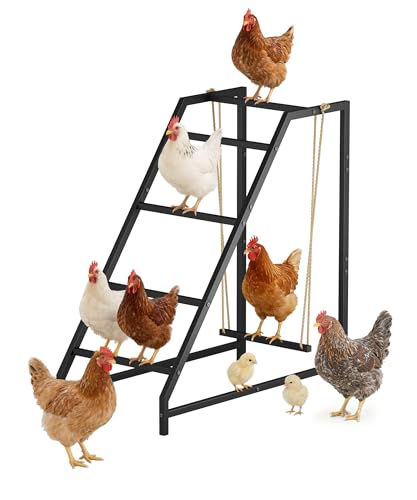
Chicken Perch with Ladder & Swing: The size of this ladder chicken perch stand is 34.6″ x 35.6″ x 17.3″ (H x L x W), offering spacious roosting and play space for 8 to 10 chickens comfortably. It features with a ladder and a swing, which can add fun and exercise opportunities to your chickens' lives. This metal chicken perches not only provides a comfortable living space but also offers entertainment and exercise opportunities. It is an ideal choice for a coop accessory.
Proper Nutrition to Reduce Aggressive Behavior
While proper housing forms the baseline for flock management, nutrition plays a critical role in reducing aggressive behaviors among chickens. You’ll need to focus on balanced amino acid formulation, particularly methionine and tryptophan, as deficiencies can trigger pecking and cannibalism. Proper vitamin supplementation, especially vitamins A, C, and E, supports immune function and reduces stress-induced aggression. Research shows that a nutrient-rich diet significantly improves flock harmony and reduces destructive behaviors.
Ensure you’re providing high-quality commercial feed with consistent nutrient levels, and maintain adequate calcium supplementation to prevent egg-eating behaviors. For optimal calcium absorption, offer large particle calcium like oyster shells or limestone grit free-choice alongside the main feed, allowing hens to self-regulate their intake. You’ll want to distribute feeders strategically to minimize competition and establish regular feeding schedules. Monitor your flock’s protein intake, as deficiencies can increase aggressive tendencies. When altering feeds, do so gradually to avoid stress-related pecking incidents. Additionally, gradually transitioning diets helps maintain digestive health and prevents stress that can lead to increased pecking behavior.

COMPLETE STARTER FEED FOR CHICKS: Specifically formulated for chicks from hatching to 16 weeks, this non-medicated chick starter feed delivers balanced nutrition and essential nutrients to support strong, healthy early growth and development.

Superior calcium from Oolitic Aragonite: Provides high-quality calcium sourced from naturally occurring Oolitic Aragonite for optimal poultry nutrition
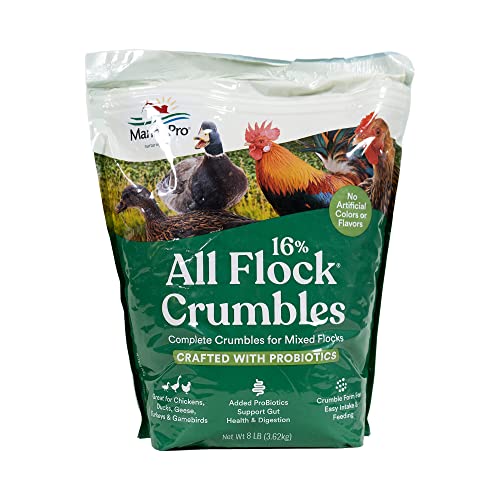
COMPLETE ALL FLOCK FEED FOR MIXED BACKYARD FLOCKS: Versatile poultry feed & all flock feed designed to support chickens, ducks, turkeys, geese, & more; a balanced bird food that simplifies feeding a diverse species in your backyard or homestead
Managing New Bird Integration Successfully
Successfully integrating new birds into an established flock requires a methodical quarantine and introduction process. Proper quarantine practices involve housing new birds separately for health monitoring while allowing visual contact with the existing flock. This reduces stress and disease transmission risks during the integration timeline. Expect that egg production may temporarily decrease as birds adapt to the changes.
Implement the “look but don’t touch” method using dividers or playpens, allowing birds to familiarize themselves from a safe distance. You’ll need to introduce new birds in groups of at least three, preferably at night, and guarantee they’re 8-12 weeks old minimum. Set up additional feeders and waterers to minimize resource competition. Monitor the flock closely during hierarchy establishment, intervening only if severe aggression occurs. While pecking order development is natural, you’ll need to maintain consistent supervision until integration is complete.

More Secure Door Lock Design: Different from the traditional door lock the chicken cage with automatic gravity lock design. which is easier to close the door, and the side door design hook buckle door locks. Simple operation, prevent any animals from entering or opening the door, give your chickens, ducks, geese, rabbits and other pets a safe space.

Durable Steel Structure: The metal chicken coop uses a high-quality steel pipe frame, coupled with galvanized technology, so that it does not have to worry about rust in the outdoors.The steel pipe has a diameter of 25 mm, so that the chicken coop can remain stable even in the wind and rain.
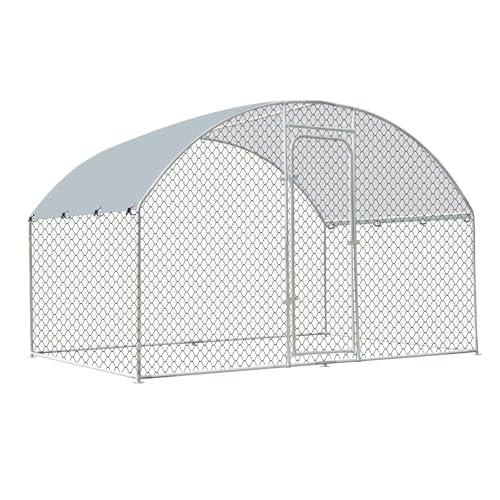
【Durable Steel Structure】Our outdoor chicken coop (9.8'W x 4.9'L x 6.4'H) is made of the high-quality steel frame. A large metal coop for long-term use is the point we keep in mind all the time when we produce this product, so we added support posts to better secure the hen house. The stainless steel coupled with galvanizing technology resistance of the cage
Effective Intervention Strategies for Aggressive Birds
Managing aggressive behavior in chickens requires a systematic, multi-faceted intervention approach focused on both individual birds and environmental factors. Begin with a thorough bird temperament assessment to identify aggressive individuals and understand their pecking motivations.
You’ll need to remove persistently aggressive birds from your flock, as they’re likely genetically predisposed to this behavior. Treat any wounds immediately with anti-peck sprays or tar-based salves to prevent escalation into cannibalism. Isolate injured birds until they’ve fully recovered. Young chickens as early as 2 weeks old can display aggressive pecking behaviors that require intervention.
Implement environmental modifications by installing escape routes, providing adequate space, and ensuring consistent access to resources. Introduce enrichment activities like foraging blocks and puzzle feeders to redirect pecking behaviors. Maintain stable management practices, including controlled lighting and temperature, to minimize stress triggers that can spark aggression.

【Natural Fiber Chew & Pecking Activity】 Made from 100% Timothy grass compressed into durable blocks, these toys satisfy your poultry's natural pecking and chewing instincts. The unique honeycomb-like shape provides engaging textures that keep birds occupied for hours.

Slow Feed & Natural Foraging Enrichment:Jhesto chicken peck toys release treats gradually as your flock pecks, encouraging natural foraging instincts.

【Safe Material】Parakeet Toys made of natural wood, healthy, it is safe and secure for bird to play and chew, the soft texture of spruce is more suitable for small and medium parrots to chew and shred.
Long-Term Prevention Methods and Best Practices
Implementing thorough prevention strategies is essential for maintaining a harmonious flock environment and minimizing aggressive pecking behaviors long-term.
Regular behavioral observation allows you to monitor flock dynamics and address potential issues before they escalate. Provide at least 4 square feet of indoor space and 10 square feet of outdoor space per bird, while maintaining ideal temperature conditions. Install enrichment devices, including 4-8 lengths of white polypropylene twine, and rotate their placement to prevent boredom. Establish consistent feeding practices to ensure balanced nutrition and prevent dependency on handouts. Confirm proper nutrition through well-balanced layer feed and calcium supplements.
Manage stress by removing environmental triggers and maintaining consistent flock composition. When necessary, reduce light intensity to 0.5-1.0 foot-candles. Allow protected outdoor access for natural foraging, and provide dust baths to minimize feather picking caused by irritation. Ensure your flock receives a diet rich in protein, sodium, and phosphorus to address nutritional deficiencies that can contribute to pecking behaviors. Consider adding prebiotics and probiotics to support digestive health and overall hen well-being, which can reduce stress-related aggressive behaviors.
Breed Selection for a Harmonious Flock
For ideal flock harmony, breed selection plays a critical role in minimizing aggressive pecking behaviors. When choosing breeds, focus on temperament compatibility by selecting naturally gentle varieties like Brahmas, Buff Orpingtons, and Australorps, which promote peaceful coexistence through their calm demeanors.
Consider size dynamics carefully, as mixing drastically different sized breeds can disrupt social hierarchy. Larger breeds like Jersey Giants naturally command respect, while smaller breeds like Silkies can thrive when paired with similarly-sized companions. Sussex chickens benefit from extra supervision since they are prone to bullying. To maintain stable pecking orders, select breeds with complementary social ranking tendencies, such as the independent yet sociable Wyandottes or the adaptable Easter Eggers.
Evaluate breed characteristics related to broodiness and climate tolerance, as stress from these factors can trigger aggressive behavior. Non-broody breeds often maintain better flock harmony by avoiding territorial disputes.