Your hens have stopped laying because they’re experiencing environmental, nutritional, or health deficiencies below their production thresholds. Insufficient light—they need 14-16 hours daily—triggers cessation, especially in winter. Inadequate layer-specific feed with proper calcium and protein ratios compromises shell quality and output. Stress from predators, temperature extremes, or disease directly suppresses laying cycles. Age and molting naturally reduce productivity too. Identifying which factor’s affecting your flock requires systematic evaluation across multiple domains.
Light Requirements and Seasonal Changes
When you’re raising backyard chickens, understanding their light requirements is fundamental to consistent egg production. Your hens need 14-16 hours of light daily to achieve peak laying rates. Below this threshold, egg production declines considerably. The seasonal impact proves critical: winter’s shorter days directly reduce output unless you provide supplemental lighting. First-year pullets require only 11-12 hours, but mature hens demand the higher duration. You’ll notice production halts entirely without additional light during low-light winters. Additionally, ensuring proper insulation and ventilation in the coop helps maintain warmth and comfort and supports overall hen health, contributing to better laying rates. Proper light exposure can boost egg production by influencing the hen’s reproductive cycle, with spring’s natural increase stimulating laying through photoperiod sensitivity. Hens typically start laying between 16 to 24 weeks of age, and adjusting light can help maximize their production during this critical phase. It’s important to note that while female chickens can lay eggs, broiler breeders are specifically kept for their egg production in commercial settings. Ensuring your hens have access to essential nutrients like crushed oyster shells during these periods is fundamental, as it supports strong eggshell formation and overall health. Exceeding 18 hours, however, sensitizes birds and stops production. Implement gradual increases of one hour weekly after 16 weeks, using timers to maintain consistent light duration through winter months. Full-spectrum lighting can simulate natural sunlight and further support your hens’ reproductive health during darker months.
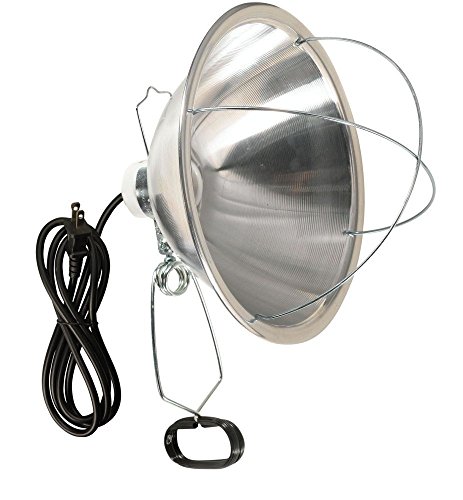
VERSATILE LAMP CLAMP with strong spring clam grips; double ball universal joint and adjustable reflector lets you direct light where you need it

🐓【3-Color Dimmable Lighting & 4 Brightness Options】 This solar-powered chicken coop light offers three adjustable lighting modes—Daylight White + Warm White, Daylight White, and Warm White—plus four brightness levels to create a a soothing, glare-free environment for your flock. this lamp provides calm and comfortable illumination that supports your poultry’s natural rhythms—no harsh lighting, just happy chickens.
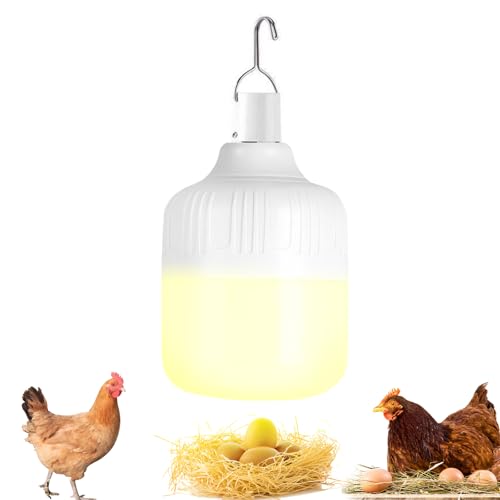
*Gentle 3000K Warm Light**:Soft yellow illumination creates a calming environment for poultry without disrupting natural routines. No harsh glare for animal comfort.
Nutritional Deficiencies and Dietary Issues
While optimizing your lighting schedule establishes the foundation for consistent egg production, your hens’ nutritional status directly determines whether they can actually produce quality eggs. Nutritional imbalance—particularly insufficient calcium, improper calcium:phosphorus ratios, or vitamin D3 deficiency—rapidly degrades shell quality and reduces laying rates. You’ll notice thin, soft, or shell-less eggs when these critical minerals aren’t adequately absorbed. Protein and energy deficits similarly compromise production and egg size. Trace mineral deficiencies in manganese, selenium, zinc, and copper further impair performance. Manganese deficiency specifically contributes to mottled eggshells, a visible indicator of mineral imbalance in your flock. Additionally, ensuring your diet supports high-quality egg production aligns with the nutritional needs of these birds. Dietary adjustments should prioritize layer-specific feed formulations (16–18% crude protein) supplemented with free-choice oyster shell for older hens to provide a reliable calcium source. Moreover, a balanced diet rich in essential vitamins and minerals can help prevent issues such as wry neck that may arise from nutritional deficiencies. Furthermore, some studies indicate that harmonious sounds can positively influence the emotional well-being of chickens, which may indirectly support consistent egg-laying. Additionally, incorporating layer feeds that include essential vitamins and minerals can significantly enhance egg production. Avoid diluting complete rations with scratch grains or table scraps. Mycotoxin-contaminated feed can mimic nutrient deficiencies; source quality ingredients to prevent metabolic interference.

Essential Calcium Supplement: Pecking Order Oyster Shell is a rich source of calcium, crucial for the development of strong and sturdy eggshells. Adequate calcium intake helps prevent common issues like thin or brittle shells, ensuring your eggs are consistently high quality.
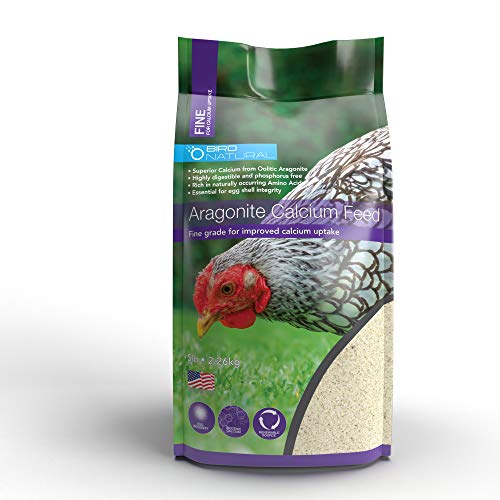
Superior calcium from Oolitic Aragonite

Calcium supplement without Vitamin D3 is
Stress Factors and Environmental Stressors
Because stress hormones directly suppress reproductive function, your hens’ laying performance depends greatly on minimizing environmental and physiological stressors.
Predator stress triggers immediate cessation of egg production. Secure your coop against hawks, snakes, and raccoons. Implementing effective physical barriers can significantly reduce the risk of predation. Environmental changes—relocation, new flock members, or overcrowding—disrupt laying cycles. Maintain adequate spacing and ventilation to prevent parasites and ammonia accumulation. Additionally, ensuring compatibility within your flock can lead to a more harmonious environment where stress levels are managed effectively, as seen in flock dynamics. Easter Eggers are known for their hardiness, which can help them cope better in various environmental conditions. Moreover, incorporating sentinel animals like chickens can enhance overall flock health by providing a monitoring system for diseases that can indirectly affect laying performance. Furthermore, utilizing an automatic feeder can prevent competition for food and reduce stress among hens.
Temperature extremes greatly impact production. Cold weather diverts metabolic energy toward thermoregulation, while heat stress above 85°F reduces feed intake and egg quality. Heatwaves compromise eggshell integrity. During moulting periods, hens redirect nutrients to feather regrowth, further reducing egg output temporarily.
Flock dynamics matter considerably. Dominant hens restrict subordinate access to feed and nesting areas, triggering stress-induced suppression. Excessive light increases aggression and feather pecking.
Routine disruptions—loud noises, inconsistent schedules, moulting periods—elevate stress hormones. Establish predictable daily patterns and appropriate lighting (14–16 hours) to optimize laying performance and flock welfare.
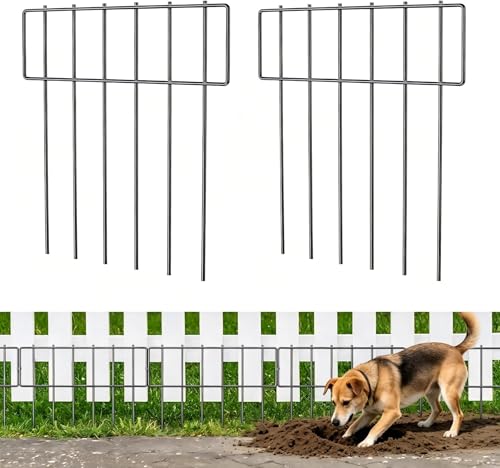
MULTIFUNCTION: This garden fence animal barrier is suitable as a path edge fence, lawn, garden, vegetable garden border fence, it can prevent small animals from escaping or some small animals enter and destroy your garden or backyard

【Upgraded Predator Deterrent】: Designed with two flashing red LED lights, this solar nocturnal animal repeller mimics the glowing eyes and fire-like warning signals of large predators. The rapid strobe effect creates a strong visual deterrent that keeps intruding animals alert and away from your property all night long.

Galvanized hardware cloth roll 16 "x50 ' foot with 1/2 inch mesh 19 gauge.In order to provide a better experience, the actual length of Gardeal's hot-dip galvanized iron mesh is 16inx(600+19)in, which is 619in.
Health Problems and Disease
Beyond environmental stressors, infectious diseases and health disorders directly compromise your flock’s laying performance through multiple physiological pathways. Viral diseases like infectious bronchitis and Newcastle disease cause abrupt production cessation and egg-quality defects. Bacterial infections—including Mycoplasma spp. and colibacillosis—establish chronic respiratory disease and carrier states that perpetuate productivity losses. Parasitic infestations, both intestinal and external, reduce nutrient absorption and cause stress-induced laying reductions. Reproductive disorders such as oviductal damage from early infectious exposure or egg binding further diminish output. You’ll need veterinary diagnosis to identify specific pathogens, proper biosecurity to prevent transmission, and integrated control strategies targeting parasites. Disease-clean breeder stock sourcing and vaccination protocols greatly reduce disease-related production failures in your backyard operation. External parasites like northern fowl mites are particularly common near the vent and tail areas, where they cause feather loss and irritation that directly impacts egg production.

HEALTHY HENS LAY MORE: The electrolytes for chickens feature Amaferm, a prebiotic that helps to support comfort and digestive health, leading to more eggs in less time. A relaxed hen is a productive hen, so get your birds back on track fast

DUAL-ACTION FORMULA: Controls major lawn diseases and fungus, plus kills listed lawn-damaging insects on contact

Age, Behavior, and Other Contributing Factors
Once you’ve addressed infectious disease and biosecurity measures in your flock, you’ll find that non-pathogenic factors—including your birds’ age, behavior patterns, and environmental conditions—often account for the remaining variation in laying performance. Age impact on productivity follows predictable trajectories: peak production occurs during years one and two, then declines approximately 20% annually thereafter. Your birds’ social structure greatly influences laying rates; subordinate hens experiencing chronic pecking stress exhibit suppressed reproductive output, as dominance behavior can further exacerbate stress levels. Interestingly, factors such as double-yolk eggs can also affect overall egg-laying performance, though their occurrence is relatively rare. Environmental stressors—predator presence, loud noises, frequent handling—trigger stress responses that temporarily halt egg production. Additionally, providing balanced layer feed with adequate protein and calcium is critical for maintaining proper egg production levels. Nest box competition and inadequate privacy further reduce laying in lower-ranking individuals. During molting season, hens reduce egg-laying activity for 1-2 months each year, which is a natural part of their reproductive cycle. Feather loss during molting can create an unwell appearance, further contributing to stress and impacting egg production. Moreover, managing humane chicken processing practices can help maintain the overall health and well-being of your flock. Evaluating your flock’s age composition, monitoring social dynamics, and minimizing stressors will help you identify whether non-pathogenic factors are limiting your egg yield.

PREMIUM CHICKEN FOOD FOR LAYING HENS WITH OMEGA-3: High-quality chicken layer feed made for strong egg production; fortified with chicken feed omega 3 & extra chicken feed calcium to support healthy shells & provide complete daily nutrition for your hens
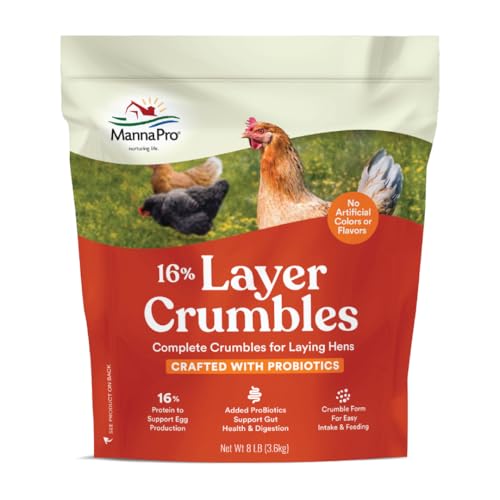
COMPLETE CHICKEN FEED FOR LAYING HENS: Manna Pro Chicken Feed delivers complete nutrition designed for laying hens, supporting strong egg production, healthy feathers, and overall wellness; balanced formula helps maintain optimal health in backyard flocks

Boosts Egg Production & Stronger Eggshells: 16% protein layer pellets formulated to support consistent egg laying, improved yolk quality, and stronger shells for reliable daily production