Yes, your chickens can get fleas, particularly the sticktight flea species that embeds into thin-skinned areas like combs and wattles. You’ll notice symptoms including excessive preening, skin lesions, pale combs indicating anemia, and reduced egg production. To protect your flock, you’ll need to inspect facial areas regularly, treat affected birds with topical insecticides or diatomaceous earth, and maintain rigorous coop hygiene with bedding replacement every 10-14 days. Understanding the complete prevention framework will greatly strengthen your flock’s defenses.
Flea Species and Life Cycle in Poultry
Several flea species can infest your poultry, though their prevalence and behavior vary considerably. Echidnophaga gallinacea, the sticktight flea, represents your primary concern—it embeds into thin-skinned areas like combs and wattles. Generalist species including cat, dog, and rat fleas opportunistically feed on your birds when environmental factors facilitate cross-host contact.
Understanding the flea life cycle is critical for effective management. Adults represent only 5% of the population; eggs and larvae persist in bedding and coop debris. Development accelerates dramatically with temperature and humidity increases, potentially triggering sudden population explosions. Furthermore, providing adequate ventilation in the coop can help reduce humidity levels, making it less conducive for fleas to thrive. Additionally, maintaining a clean environment also aids in preventing the accumulation of organic material that can attract pests, similar to how shells from animals can harbor bacteria if not properly maintained. The presence of strong hygiene practices can significantly lower the chances of flea infestations while promoting overall flock health. It’s also important to monitor your flock for signs of eye infections, which can be exacerbated by the stress of infestations. Pupae form protective cocoons that delay emergence until host cues activate them. Newly emerged fleas require a blood meal within a few days to survive, making regular host contact essential for flea population persistence. Effective lice and mite control in chickens can also contribute to a healthier environment that deters fleas. Your environmental management directly influences developmental speed and infestation severity, making habitat control essential to breaking the reproductive cycle.
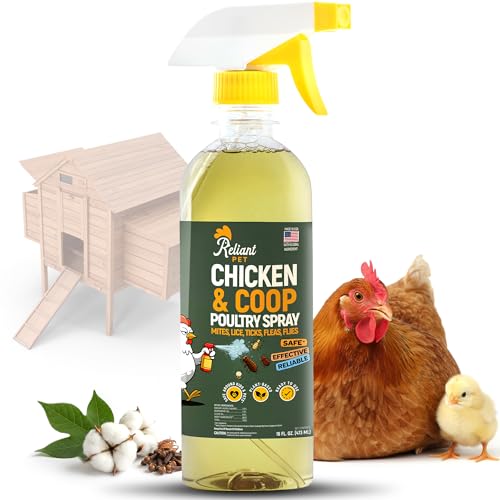
SAFE & EFFECTIVE: Our plant-based chicken mite spray delivers powerful punch without the harsh chemicals found in traditional poultry sprays. Safe to use around your entire flock when used as directed, this gentle formula is tough on mites, lice, fleas, and flies - making it the smarter, safer choice for backyard chicken keepers, small farms, and homesteaders who want real results without the risks

NATURAL AND NON-TOXIC FORMULA: Made from natural essential oils, Premo Poultry Spray is a safe alternative to harsh chemicals like permethrin and mite dusts. Veterinarian and farm approved. Apply directly on all poultry. Treat your entire flock, pens, roosts, coops, nest boxes, and yards. Enjoy peace of mind knowing that your chickens and other poultry is protected naturally and safely

Effective Flock & Coop Care: Kills mites, lice, fleas, and ticks on your chickens and throughout their coop.
Recognizing Symptoms and Health Impacts
Early detection of flea infestations protects your flock’s health and productivity. Symptom recognition begins with observing excessive preening around the vent, thighs, and underwings, followed by visible skin lesions and crusting at bite sites. You’ll notice pale combs and wattles indicating anemia from blood loss in severe cases. Chickens can become particularly vulnerable to high fat diets when stressed, which could exacerbate health issues alongside flea infestations. Regular application of natural remedies can also help in controlling the presence of these pests. Ensuring that your chickens have access to clean and comfortable nesting boxes, such as plastic nesting boxes, can further support their health and comfort. Additionally, providing fast-acting supplements like Nutri-Drench can help restore nutritional balance during stressful periods.
Behavioral changes—restlessness, lethargy, and reduced feed intake—signal ongoing irritation. Health consequences escalate quickly: egg production declines, weight gain slows, and chicks face increased mortality risk. Secondary bacterial infections complicate recovery, while concurrent parasitic burdens worsen anemia. Your birds become susceptible to heat stress and environmental challenges. Like the cat flea found on dogs, poultry fleas can transmit diseases through their blood-feeding behavior, creating additional health risks beyond direct parasitic damage.
Monitor hematocrit levels and maintain detailed inspection logs tracking dermatitis prevalence and live flea counts. Early intervention prevents cascading health complications and preserves flock uniformity and market value.
Diagnosing Flea Infestations in Your Flock
Because sticktight fleas embed deeply in skin and wattles rather than moving freely across feathers, you’ll need to employ targeted inspection techniques to confirm their presence. Focus your flea detection efforts on facial areas—particularly wattles, combs, eyelids, and around eyes—where these parasites preferentially attach. Under good light, palpate these regions carefully for dark, immobile specks or crusty lesions indicating embedded adults. Fleas, like chicken mites, can be more successfully managed through consistent treatment cycles to target both adults and their eggs. It’s important to inspect your birds regularly for mite infestations as they can lead to similar stress-related behaviors and health issues. Additionally, be mindful that external parasites can introduce health risks related to weakened immunity and increased stress in your flock.
In addition, be vigilant for signs of blood feeding as this is a common marker for various external parasites, including fleas, that can adversely affect your chickens. Examine your coop’s litter, nest boxes, and ground running areas for flea eggs, larvae, and pupal casings that signal active breeding. Don’t overlook the space around the vent area, another common attachment point where sticktight fleas frequently embed themselves on affected birds. Direct visual inspection with manual removal via tweezers provides immediate confirmation. When species identification matters for targeted control, collect skin scrapings for microscopic examination. Maintain detailed monitoring records documenting date, location, and affected bird numbers to identify infestation patterns.

NATURAL AND NON-TOXIC FORMULA: Made from natural essential oils, Premo Poultry Spray is a safe alternative to harsh chemicals like permethrin and mite dusts. Veterinarian and farm approved. Apply directly on all poultry. Treat your entire flock, pens, roosts, coops, nest boxes, and yards. Enjoy peace of mind knowing that your chickens and other poultry is protected naturally and safely

Flea spray for home kills fleas and ticks on contact

KILLS FLEAS AND TICKS ON CONTACT – Veterinary Formula 8 oz. Flea and Tick Spray for Dogs eliminates fleas and ticks at all stages: egg, larval, and adult. Treatment also prevents future egg and larvae development
Effective Treatment Strategies for Birds and Coops
Once you’ve confirmed a flea infestation through careful inspection of your birds’ facial regions and coop environment, you’ll need to implement a coordinated treatment approach targeting both the infected flock and their living spaces. Topical insecticides—including permethrin-based sprays, malathion, and poultry-formulated dusts—provide rapid knockdown when applied directly to affected birds, though you must strictly observe withdrawal intervals for eggs and meat. Non-chemical treatments like food-grade diatomaceous earth, which is effective against lice, mineral oil applications for sticktight fleas, and manual tweezers removal offer safer alternatives. It’s essential to understand that lice infestations often begin through contact with wild birds or contaminated equipment, emphasizing the importance of early identification and prevention. Additionally, ensuring your flock has a healthy diet can improve their overall resilience against poultry diseases, just as roosters and hens in your flock play significant roles in maintaining harmony and health. Scaly leg mites, another concern for poultry, can also be exacerbated by poor coop hygiene, making thorough cleaning vital. Simultaneously, deep-clean your coop by removing bedding, scrubbing surfaces, and replacing shavings to eliminate developmental stages. Heat-treat portable items and consider targeted perimeter applications to prevent reinfestation. Repeat the cleaning and treatment process every 10 to 14 days to break the flea life cycle and ensure complete elimination of all flea stages. This integrated strategy addresses both immediate bird relief and long-term environmental control.

Chicken and roost insecticide for control of lice and mites


Maintain Pest Control: Permectrin II is an insecticide for use on animals and in animal resting areas that provides up to 30 days of lasting effects
Prevention and Long-Term Flock Management
While treatment eliminates active infestations, you’ll achieve lasting flock health through consistent prevention practices and vigilant monitoring. Your habitat maintenance strategy should emphasize regular bedding replacement, secure wire enclosures with hardware mesh barriers, and removal of nighttime feeders to deter rodents carrying fleas. Chickens typically have four toes on each foot, which aids in their mobility as they search for food and avoid pests. Implement dietary additions like garlic powder at 3% concentration and brewer’s yeast to bolster your birds’ natural defenses and enhance their antioxidant defense mechanisms. Additionally, consider using Corid dosage as a preventive measure against potential coccidiosis outbreaks that can stress your flock’s health. Regularly providing access to automated feeders can help streamline feeding routines and reduce leftover feed that may attract pests. Monitor incubating hens closely, as stationary birds attract increased flea populations. Inspect wattles, combs, and faces for sticktight fleas during routine checks. Furthermore, providing proper nutrition, such as dark chocolate-brown eggs, can support your flock’s overall health and resilience against pests. Maintain separation from wildlife interfaces and conduct quarterly inspections of outdoor exposure risks. Sand baths provide natural flea control by allowing chickens to self-regulate parasites through regular dust bathing. Integrate these multifaceted approaches systematically to establish sustainable flock protection against recurring infestations.