You’re right to worry—swollen, shut eyes in chickens can be anything from a dusty bedding irritant to a contagious Coryza infection, and the difference matters. If the eye is crusted, foul‑smelling, and the bird is sneezing or lethargic, treat it as an infection: isolate, clean with sterile saline, apply antibiotic gel, and call a vet for systemic antibiotics like erythromycin. If it’s just a bit of sand or a mild allergy, a gentle rinse and fresh bedding usually fix it. Keep an eye on swelling that spreads to the face or jaw; that’s a red flag that needs professional care. If you act quickly, you’ll protect the flock and avoid a bigger health issue.
Infectious Causes: Coryza, Mycoplasma & Other Bugs
How can you spot the culprit quickly?
Look for one or both eyes stuck shut, thick discharge, and sneezing. Bad odor points to coryza; foamy discharge hints at Mycoplasma. While these poultry-specific strains cause severe issues in flocks, they are not considered zoonotic pathogens capable of infecting humans.
What’s the next step?
If you suspect an infection, isolate the birds, clean the coop, and call a vet for diagnosis confirmation and a treatment plan. Because FDA regulations now require a veterinarian’s prescription for medically important water-soluble antibiotics, professional guidance is essential to legally and safely treat your flock. While antibiotics like tetracyclines can help control the infection, they rely on early detection to effectively manage symptoms and prevent prolonged illness or secondary infections.
Local Irritants & Injuries Causing Swollen Eyes in Chickens
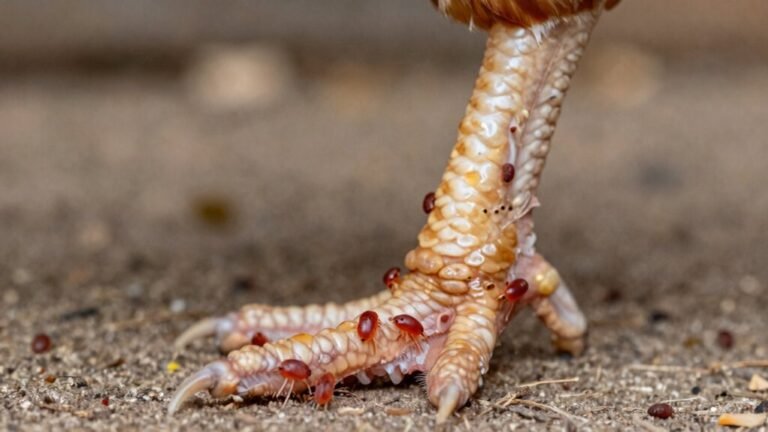
If you’re wondering why your chicken’s eye looks puffy without a fever, the answer is usually something right in the coop. Dust mite allergies flare when fine particles settle on the eye, and bedding sandiness can act like sandpaper on delicate tissue. While these pests primarily target poultry, chicken mites can temporarily bite humans and cause skin irritation, highlighting the need for protective clothing during coop cleaning. Mites can also persist in the environment by hiding in cracks and crevices within the coop structure, potentially worsening exposure to irritants if not thoroughly cleaned. Effective management requires treating the birds and their housing with products like Spinosad spray to eliminate infestations and prevent reoccurrence.
What’s in the air?
Dust, sand, and feed debris constantly swirl, especially in poorly ventilated houses. A single grain can lodge under the nictitating membrane, causing unilateral swelling. Flushing the eye with saline often clears it before infection starts.
How does ammonia hurt?
Ammonia from manure builds up past 25 ppm, irritating corneas and conjunctiva. Young chicks feel it most; winter housing and stale air make the problem worse.
What about trauma?
Sharp coop bars, pecking, or a chicken scratching its own eye can create tiny abrasions that swell quickly. Removing the irritant and gently cleaning the area prevents secondary infection.
Takeaway: Identify and eliminate the irritant—dust, ammonia, or trauma—and rinse the eye. If swelling persists, it’s time to call a vet.
How Swollen Eyes in Chickens Appear: Discharge, Crusting & Facial Swelling
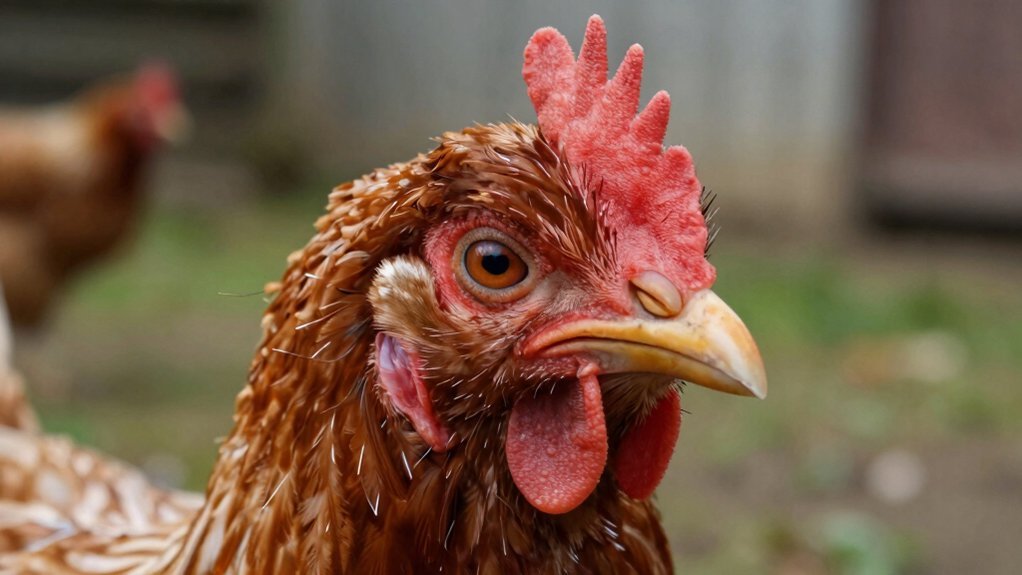
When you first see your chicken’s eye puffy, you probably wonder whether it’s just a little irritation or the start of something serious. The swelling often starts on one side, like a tiny balloon under the eyelid, then can spread to both eyes, the jaw, and wattles. You’ll notice that the eye may not open fully, and the feathered face looks puffier than usual.
Here’s the thing: discharge usually begins clear and watery, then thickens into a crusty film that mats feathers and eyelids. That crust can literally glue the eye shut, making it look like the bird is “blind.” You may also see sneezing and a foul smell if infection is present.
All right, watch for general lethargy and dehydration signs—less drinking, drooping combs, and reduced activity. Those systemic clues tell you the problem isn’t just local irritation. The key takeaway: swollen eyes, crusting, and facial puffiness often signal a respiratory infection that needs close monitoring. Next, decide whether to isolate the bird and contact a vet. While eye swelling is distinct, you should also monitor for pale combs which indicate anemia often caused by mite infestations described in poultry health guides. Since reduced blood circulation and oxygen flow can cause the comb to lose its healthy red color, observing comb color changes provides a critical secondary indicator of your flock’s overall physiological status. Additionally, inspecting the vent area for fast-moving lice helps distinguish between respiratory issues and parasitic infestations that also cause reduced activity and dull feathers.
First‑Aid for Swollen Eyes in Chickens: Cleaning, Isolation & Supportive Care
You’re probably wondering why the first step isn’t medication but simply getting your chicken away from the flock. You’ve got a stressed bird, and stress fuels swelling. So isolate her in a quiet, warm corner, give fresh water, and keep handling to a minimum.
How do you clean the eye safely?
Now, gather sterile saline, cotton swabs, and a clean gauze pad. Wrap her gently in a towel, expose the head, and wipe from the inner corner outward with a moistened pad. Avoid the cornea, use fresh gauze each swipe, and rinse often. For ongoing care, you can also mix VetRx into drinking water to provide prevention and support alongside your cleaning routine. Just as dust bathing helps chickens naturally control external parasites like lice, maintaining a clean environment is crucial for preventing secondary infections in weakened birds.
What supportive care helps her heal?
Here’s the thing: apply a thin layer of antibiotic gel every 4‑6 hours, keep her diet rich with supplementation, and offer mental enrichment like perches or foraging toys to reduce boredom. Monitor appetite and eye openness. When applying medication, position the chicken’s head so the affected eye faces upward to allow the ointment to spread naturally as the bird blinks.
Takeaway: Isolation, careful cleaning, and supportive care give her the best chance to recover without a vet visit. Next, check her eye after each treatment and note any changes. Bacteria survive up to three days outside the bird.
Red‑Flag Symptoms of Swollen Eyes in Chickens That Need a Vet
You’ve probably wondered why some eye swelling just won’t calm down despite cleaning and isolation. You’re right to worry when swelling spreads quickly, eyelids close, or you see thick yellow or foul‑smelling discharge. Those signs point to avian conjunctivitis or a deeper infection, not a simple scratch.
What signs demand immediate vet care?
Rapid facial swelling that reaches the jaw or wattles, especially with open‑mouth breathing, is a red flag. Feverish‑looking combs, darkened wattles, or sudden lethargy signal systemic disease like infectious coryza or fowl cholera. If multiple birds show these symptoms, the flock is at risk.
Why do immune disorders matter?
A chicken with a compromised immune system can’t contain the infection, leading to worsening discharge and vision loss. Persistent foam or crust on the eye, combined with coughing or sneezing, usually means the illness has spread beyond the surface. While eye issues often stem from avian-specific pathogens, remember that chicken mites are species-specific parasites that require avian hosts and do not permanently infest dogs or other non-avian animals. Just as these parasites cannot survive on humans due to host specificity, human lice cannot infest chickens because their distinct habitats and dietary needs prevent cross-infestation. Stress from such infestations can also lead to reduced egg production alongside behavioral changes like excessive scratching and preening.
Takeaway
If you spot any of these symptoms, call a vet now. Acting fast prevents complications and protects the whole flock.
Veterinary Treatments for Swollen Eyes in Chickens: Ointments, Systemic Meds & Follow‑Up
A swollen chicken eye can feel like a mystery, but you’re on the right track asking how to treat it.
What ointments work best?
You’ll start by flushing the eye with sterile saline or warm water to clear discharge and any ocular foreign bodies. Then apply a thin layer of Terramycin ointment twice daily for 3‑5 days, or Neomycin drops if the irritation is milder. If you suspect a corneal ulcer, a vet may add a short‑course corticosteroid drop for 2‑3 days, but only under supervision.
When do you need systemic meds?
If swelling follows respiratory signs or you find deeper infection, oral erythromycin or oxytetracycline in drinking water can help. For eye worm, ivermectin drops or a vet‑performed removal are essential. Because ivermectin requires accurate dosing based on weight to avoid toxicity when used off-label in poultry, always consult a veterinarian before administration. Proper application involves parting feathers on the neck to deliver the correct amount of ivermectin pour-on directly to the skin while avoiding overdosing. Just as with treating fungal infections, it is crucial to avoid using internal treatments without professional advice.
How should you follow up?
Isolate the bird, keep its housing warm, and monitor daily. Recheck with a vet if swelling persists after 5 days or worsens.
Takeaway: Clean, treat locally, add systemic antibiotics only when needed, and watch the bird closely. Next, decide whether a vet visit is warranted for foreign bodies or ulcers.
Preventing Recurrence: Housing, Ventilation & Biosecurity for Healthy Eyes
You’re probably wondering why eye problems keep coming back even after you’ve treated the infection. Here’s the thing: dry sanitation and litter maintenance are the foundation of healthy eyes. Keep the coop dry, replace wet bedding immediately, and rake the litter daily to prevent ammonia spikes. Utilizing wood pellets can significantly help as they expand when wet to clump around waste, drying it out and minimizing the smell that irritates eyes.
How do you control airflow? Install high vents near the roofline and low side vents for cross‑ventilation; leave them open in winter to let moisture escape. A strong ammonia odor means you need more ventilation and quicker manure removal.
What about biosecurity? Disinfect perches, waterers, and equipment each week; quarantine new birds before mixing them with the flock. Clean water prevents pathogen spread, and limiting contact with damp litter reduces eye irritation. Just as a filthy coop leads to stress and disease that halt egg production, poor hygiene directly compromises ocular health by exposing birds to harmful ammonia buildup.
Takeaway: Consistent dry sanitation, proper ventilation, and strict biosecurity cut recurrence risk. Your next step? Check coop humidity and ammonia levels this week and adjust vents or bedding as needed.