You’ll protect your chickens from hawks through a multi-layered defense combining physical barriers, environmental management, and deterrent technologies. Install heavy-gauge hardware cloth fencing, overhead netting, and motion-activated sprinklers that detect threats up to 30 feet away. Remove vantage points like isolated trees within 100 yards. Deploy reflective objects, predator decoys, and consider livestock guardian dogs for 24/7 protection. Secure your coop fully at night with ¼-inch hardware cloth on all openings. Rotating these methods prevents predator habituation and creates unpredictable defenses that’ll greatly reduce vulnerability to aerial attacks.
Use Reflective Objects and Visual Deterrents
A multi-layered visual defense—combining reflective surfaces, movement, and strategic positioning—can effectively disrupt a hawk’s approach to your chicken area. Position shiny objects like old CDs and Mylar strips high on coop roofs and fence lines, where they intersect typical hawk flight paths rather than ground level. Rotate these reflective surfaces weekly to prevent habituation. Enhance this strategy by adding flutter strips that create intermittent flashes and kinetic disturbance. Combine reflective surfaces with mobile visual distractions like pinwheels and wind spinners positioned in open, windy areas. Just as barred rock chickens exhibit varied physical traits, use multiple devices to create moving visual clutter across your free-range zones. It’s also important to note that hawks are among the primary predators responsible for targeting chicken heads. Incorporating some elements of visual deterrents can create a multi-sensory barrier that enhances the overall protective measures. Additionally, securing coops thoroughly can prevent weasel attacks that pose a significant threat to your chickens. Replace worn spinners frequently, as aging devices lose reflectivity and mechanical motion. Fake owls placed on fence posts and coop roofs can temporarily deter hawks by mimicking larger predators that naturally intimidate them. Remember that visual deterrents work best as layered protection rather than standalone solutions.

Perfect for keeping unwanted birds and pests out of your garden and off your property.

Keep every hen you have at sunrise: predator lights for chicken coop that work the way a flock guardian does, two red eyes flashing at 4 Hz through the night, so a fox or raccoon finds the run already claimed and moves on

Keep nuisance birds away from fruit trees, berry bushes, barns, and patios using this reflective bird deterrent tape. Its shimmering surface and crinkling sound create a strong scare effect to repel woodpeckers, pigeons, starlings, and other pests without harmful chemicals.
Install Physical Fencing and Wire Mesh
While visual deterrents create an effective outer layer of defense, you’ll need physical barriers to truly protect your flock from determined hawks. Heavy-gauge hardware cloth remains your best fencing material choice, offering superior strength compared to standard chicken wire. Install 1/2-inch hardware cloth across walls, windows, vents, and doors, securing it with washers, screws, or heavy-duty fencing staples attached to wood framing. Adding electric fencing can further enhance the protection of your chickens, as it serves as a psychological barrier to deter predators. Furthermore, ensuring your chickens receive essential B vitamins will help them maintain optimal health and resilience during stressful situations like predator attacks. Providing adequate outdoor run space is also crucial for chickens to forage and move comfortably, which contributes to their overall well-being. Consider adding diatomaceous earth to the coop to control other pests that may weaken your flock’s overall health. Additionally, using natural predator deterrents can help create a multi-faceted approach to keeping your flock safe.
For thorough protection, dig trenches at least 12 inches deep around your run’s perimeter. Insert 18-inch tall hardware cloth sheets into these trenches, overlapping them by several inches and securing with heavy-duty zip-ties or hog rings. Extend the excess above ground and use landscape staples to prevent uplift. Consider adding netting overhead to provide an additional layer of defense against aerial predators attempting to access your chicken run from above.
This multi-layered approach eliminates ground predator access while blocking aerial attacks effectively.
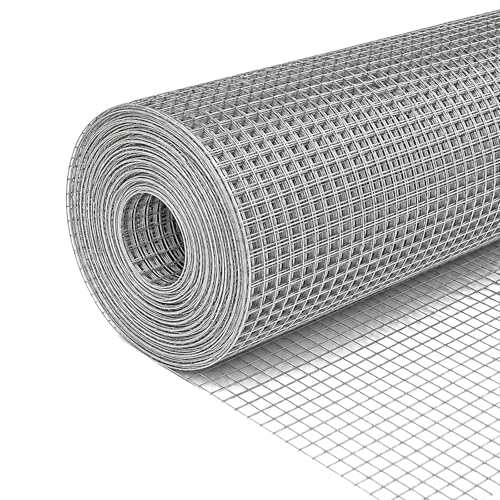
Hardware Cloth 1/2inch for Chicken Coop – 16 inch x 50 ft welded wire mesh made from 23-gauge galvanized steel hardware cloth. Provides reliable strength and flexibility for chicken wire fencing, garden protection, and general outdoor use

High-Quality Anti-Rust Process This hardware cloth is made from high-strength low-carbon steel wire, combining excellent strength with flexibility. After precision welding, the entire product undergoes a premium anti-rust treatment—hot-dip galvanization—with special reinforcement at all seams and corrosion-prone areas to ensure uniform, dense coating and outstanding rust resistance. This process grants the product superior weather resistance, making it an ideal choice for wire mesh fencing and long-term outdoor applications.

【Premium Quality & Durability】 Made from high-strength, low-carbon steel wire, our hardware cloth features hot-dip galvanizing and PVC vinyl coating, ensuring superior rust, corrosion, and weather resistance for long-term outdoor use.
Position Your Coop Away From Trees
Since hawks rely on elevated perches to hunt, you’ll dramatically improve your flock’s safety by positioning your coop away from trees. Maintain a minimum setback from tree lines to eliminate convenient raptor perches and ambush points. Keep sightlines clear around your run so hawks can’t approach undetected—they lose their element of surprise in open spaces. Additionally, because hawk attacks pose a real threat to free-ranging flocks, it’s crucial to implement these preventative measures effectively. Minks, like hawks, are also predators of poultry, and their predation can lead to substantial losses if proper protective measures are not taken. Crows, while not direct threats to adult chickens, can pose risks to unattended young chickens and eggs, making vigilant protection essential.
Incorporating a secure chicken run helps create an extra layer of protection against these aerial threats. Position your coop closer to human structures like your house or barn, where hawks are less likely to hunt due to human activity. Adjust your coop orientation so main chicken activity doesn’t align with typical overhead approach vectors. If you use mobile coops, rotate placement seasonally away from identified raptor roosting sites. Consider positioning your coop under nearby trees with an overhang to the roof that hinders the hawk’s line of sight to the birds below while still maintaining adequate clearance from perching branches. This strategic positioning combined with vegetation management creates multiple layers of defense against aerial predators. Furthermore, most losses occur at night, making it vital to ensure your coop is secure at all hours.
Deploy Motion-Activated Sprinklers and Lights
Motion-activated sprinklers and lights offer a dual-layer deterrent system that conditions hawks and other predators to avoid your chicken run through startle responses. You’ll benefit from motion sensor effectiveness, as these devices detect approaching threats up to 30 feet away, triggering immediate illumination and water bursts. This combination enhances the startling effect, particularly at night when hawks scout for vulnerable prey. Additionally, keeping your chickens’ immune systems strong with natural supplements like garlic can help them be healthier overall, making them less attractive targets for predators. Interestingly, while chickens may catch some small creatures, they do not actively hunt mice for food, making other deterrents necessary for rodent control. To further support their well-being, ensure chickens reach full maturity for optimal health and resilience. During the breeding season, it is crucial to monitor their interactions as this period can lead to unexpected aggression.
Position multiple units around your coop’s perimeter, adjusting sensitivity settings for your target predators. Stake sprinkler heads 7-10 inches deep for stability, directing spray toward likely approach paths. Automated watering systems deliver 3-second bursts per activation, efficiently using water while reconditioning predator behavior within one to two nights. For extensive protection, consider that sprinklers can spray up to 35 feet, allowing you to cover larger areas with fewer devices.
This eco-friendly approach provides 24/7 protection without chemicals, maintaining predator-free zones around your vulnerable chickens.

Motion Activated Sprinkler: Experience the innovative motion activated sprinkler that combines a sudden water spray and flashing lights to deter unwanted animals. This powerful deterrent is designed to teach deer, cats, raccoons, and other pests to stay away from your yard and garden.

High-quality : Our product is made of high-quality ABS material, having the advantages of excellent weather resistance, high strength, and durability.

Easy to set up | Motion sprinkler head can be adjusted 360 degrees, with a maximum detection range of 1000 square feet and a detection angle of 120 degrees. The sensitivity of the animal repellent can be adjusted according to your needs
Secure Your Chickens Inside at Night
As darkness falls, you’ll need to convert your flock into fully enclosed housing that prevents both aerial and ground-based predators from accessing your birds. Install ¼ inch hardware cloth over all windows and vents, securing them with screws and washers to maintain coop ventilation while blocking entry. Cover your run’s roof with strong gauge mesh that protects from nocturnal aerial attacks. Add an overhang to your coop roof, obstructing hawk line of sight to roosting chickens. Additionally, ensure your coop is well-insulated to retain heat during colder months, as this contributes to overall flock health and supports their healthy environment. Chickens can often die unexpectedly due to conditions like Sudden Death Syndrome, highlighting the importance of a secure living environment. Ascertain secure access points by using galvanized mesh no larger than 10mm x 10mm on every entry. Raising the coop off the ground also helps create a complete barrier against potential predators. Raise your coop off the ground and install ¼ inch hardware cloth at the floor’s bottom, creating a complete barrier. Heavy-duty roofing over open runs delivers essential nighttime protection. Install motion sensors to monitor the coop area for intrusions during night hours, enabling rapid response to potential hawk threats.
Add Predator Decoys to Your Property
While nighttime coop security forms your first line of defense, predator decoys offer a supplementary daytime strategy that exploits hawks’ natural behaviors and territorial instincts. Owl decoy effectiveness depends on frequent repositioning—predators habituate quickly to stationary decoys. Rotate placements every few days to maintain deterrent impact against intelligent raptors. Additionally, utilizing 360° predator-proof enclosures can enhance the overall security of your chickens when combined with decoys. Adding engaging DIY toys such as homemade jungle gyms can also help divert your chickens’ attention away from the presence of potential threats.
For superior results, deploy coyote decoy realism by draping aged, uncured deer hides over decoys. This scent-enhanced approach outperforms plain plastic versions long-term, repelling multiple predator species simultaneously. Relocate decoys during your egg collection routine to prevent recognition patterns. Smart aerial predators avoid human presence and act stealthily, so moving your decoys during human activity further reinforces the impression of an inhabited territory. Furthermore, consider using kill cones to ensure a humane processing method for any chickens that may be lost to predation, minimizing stress and suffering.
Moreover, cooked potatoes should be offered carefully to avoid introducing any toxins into your chickens’ diet. Combine decoys with moving visual deterrents like flags and pinwheels to broaden protection coverage. However, recognize decoys’ limitations—they’re ineffective alone against desperate or experienced predators. Integrate this strategy with habitat modifications and other non-decoy methods for thorough hawk protection.
Implement Livestock Guardian Dogs
Livestock guardian dogs (LGDs) offer round-the-clock predator deterrence that decoys and visual markers can’t match, because they’re living, intelligent protectors who establish territorial bonds with your flock. Breeds like Great Pyrenees and Anatolian Shepherds excel at hawk and ground predator deterrence through size, strength, and calm confidence. These breeds are known for their natural protective instincts, which further enhances their effectiveness in guarding your chickens.
Effective training methods require isolating puppies initially, then gradually introducing controlled interactions with birds during critical socialization windows. You’ll want your LGD living permanently with your flock to maintain 24/7 presence—the core protective mechanism. Reinforce patrol behaviors through consistent routines during high-risk dawn and dusk periods. Their acute senses allow for early detection of threats before predators can strike.
Avoid over-socializing to humans, which weakens livestock bonds. Pair LGDs with secured night housing and habitat modifications for layered protection. Monitor adolescent dogs closely to prevent losses during developmental stages.

Used Book in Good Condition


Cover Runs With Netting
Physical netting creates an impenetrable barrier that complements the territorial protection livestock guardian dogs provide, functioning as your flock’s primary defense against aerial predators. You’ll need effective netting materials like heavy-gauge 1/2-inch hardware cloth, which prevents hawks from reaching through gaps. Avoid chicken wire’s hexagonal mesh—it’s inadequate for security. Additionally, solid materials such as wood and metal can reinforce the overall safety of your coop environment. When building a coop, ensure that it’s designed to deter predators as effectively as adequate space is necessary for comfort and safety. Implementing strong materials in your coop design, like ¼ inch hardware cloth, enhances your chickens’ protection against hawks and other predators. Black Sex Link chickens, known for their friendly temperament, are a great choice for families with flocks as they thrive in a secure environment.
Your netting installation techniques should prioritize tight securing to eliminate gaps underneath and sides. Attach netting fully to fence perimeters for seamless coverage. For ground protection, dig a 12-inch trench and insert 18-inch hardware cloth, overlapping sheets with zip-ties before securing with landscape staples.
You can protect runs ranging from 35×40 feet to 50×50 feet with overhead netting at 6-foot clearance. The Hawk Stopper visual deflection netting offers a lightweight mesh alternative that utilizes hawks’ keen eyesight for deterrence without requiring extensive trenching. When properly installed, this physical barrier prevents aerial attacks and achieves documented success preventing chicken losses in hawk-prevalent areas.

Hardware Cloth Master: Sanzeus chicken wire fencing features a 48 inch x 100 foot roll with 1/2 inch x 1/2 inch openings. Employ this to shield vegetables and flower roots, bulbs, rhizomes, etc from burrowing animals. It can be utilized to create individual baskets or line elevated garden beds

【High quality raw materials】Our hardware cloth chooses the strength, toughness and ductility of low carbon steel wire as the inner core. This determines the basis of the high quality of our products.

High quality raw materials: Our hardware cloth chooses the strength, toughness and ductility of low carbon steel wire as the inner core. This determines the basis of the high quality of our products
Maintain Clear Surrounding Habitat
Beyond the protective barrier of netting and fencing, you’ll strengthen your hawk defense by eliminating the vantage points and attractants that draw raptors to your property. Habitat management directly reduces predation pressure by removing isolated perches—trees, posts, and snags—within 100 yards of your flock. Trim low branches to deny hawks clear lines of sight during daylight hunting. Keeping surrounding grass and vegetation mowed short to improve visibility eliminates concealment for both predators and prey species. Additionally, managing the environment by controlling rodent populations significantly decreases the likelihood of attracting hawks and other predators. Automatic chicken feeders can also play a role in preventing rodent concentrations that attract raptors. Moreover, creating a safe chicken coop with proper ventilation and secure fencing can provide a reliable retreat for your flock when hawk threats are perceived. Remove brush piles, rock stacks, and tall garden beds that serve as ambush points. Secure feed storage and manage compost away from coops to prevent rodent concentrations that attract raptors. These habitat modifications create an inhospitable environment for hawk hunting while maintaining your flock’s safety. Motion sensors and lights can further deter hawk activity during low-light conditions when predation risks increase.
Use Scare Tactics and Temporary Feeding Adjustments
When hawks persist despite habitat modifications and physical barriers, you can deploy scare tactics and temporary feeding adjustments to disrupt their hunting patterns and redirect them elsewhere. Implement scare strategies using reflective objects like CDs or reflective tape that create unpredictable light patterns threatening to hawks. Motion-activated sprinklers and spotlights startle attacking predators effectively. Position moving visual deterrents such as pinwheels and flags to reduce hawk confidence. Predator decoys resembling eagles or owls make hawks feel unsafe; rotate these decoys to prevent habituation. Since hawks are federally protected and cannot be killed, non-lethal deterrent methods are the only legal option for managing these predators. Interestingly, just as chickens can undergo spontaneous sex reversal under certain conditions, hawks may also adapt hunting strategies based on environmental changes. This is similar to how Polish chickens, while mainly kept for their ornamental appeal, also contribute by laying small to medium-sized eggs which can provide some nourishment. Ensuring your chickens have ample space requirements is essential for their health and can further decrease their vulnerability to predators. Additionally, maintaining a balanced diet for your chickens can ensure they remain healthy and better able to cope with stress during high predatory pressure.
Providing appropriate shelter arrangements is also crucial, as it can mimic shared coop strategies that help maintain a peaceful environment for your flock. For feeding techniques, close feeders temporarily for one week when hawks persist. Hawks’ll relocate to other areas during feeding shutdowns. Avoid ground feeding and switch to hanging platform feeders instead. Repeat closures if hawks return post-reopening.