You can absolutely keep hens laying eggs without a rooster. Hens produce unfertilized eggs through normal ovulation cycles regulated by the hypothalamic-pituitary-gonadal axis, independent of male presence. Your flock’ll average five to six eggs weekly, influenced by breed, nutrition, light exposure, and environmental conditions. While roosters aren’t necessary for egg production, they’re essential only if you’re planning to hatch chicks. Understanding the biological mechanisms behind consistent laying rates reveals several nuances worth exploring further.
The Basic Biology of Egg Formation
When a hen reaches sexual maturity around 18–22 weeks of age, her ovary—typically just the left one, since the right’s largely regressed—begins recruiting follicles daily for ovulation. You’ll find thousands of primordial follicles resting in her ovarian cortex, establishing what’s called a follicle hierarchy through lipid accumulation. This process selects one preovulatory follicle to mature per day. Once that mature follicle releases its yolk, the reproductive anatomy takes over. The yolk travels through your hen’s oviduct—a specialized reproductive tract comprising the infundibulum, magnum, isthmus, uterus, and vagina. Each section performs distinct functions: capturing the yolk, adding albumen, forming membranes, depositing shell, and finally orienting the egg for laying. This entire process requires approximately 24–27 hours. Notably, the germinal disc on the yolk’s surface contains the genetic material that would develop into an embryo only if fertilized by a rooster. Additionally, the quality of a hen’s diet, including adequate calcium sources, can influence her reproductive health, making it important to provide a balanced chicken feed appropriate for her life stage. Barred Rock hens, for example, are known to lay between 190 and 280 eggs annually, contributing to a reliable source of eggs for small-scale poultry keepers.
How Ovulation Works in Hens
The ovulatory cycle in hens represents a precisely orchestrated sequence of hormonal and physiological events that culminates in egg-laying approximately every 24–26 hours. Your hen’s hypothalamic–pituitary–gonadal axis controls this process through GnRH signaling, which stimulates LH and FSH release to the ovary. When LH surges, it triggers follicle rupture and yolk release into the oviduct for egg assembly. Light exposure modulates your bird’s pituitary secretion, linking daylength directly to ovulation frequency, which can also be influenced by egg production timing in different breeds. Additionally, hens will lay eggs consistently even in the absence of a rooster, as hens do not need a rooster to produce eggs. Nutritional status and body condition also alter the hormone environment—energy deficits can suppress ovulation entirely. On average, healthy hens typically lay one egg every 24 to 26 hours, resulting in a frequency that can vary. During the yolk’s journey through the oviduct, the albumen gradually surrounds it to form the egg white. As your hen ages, endocrine responsiveness declines, reducing ovulation frequency and annual egg production by roughly 20% annually after peak laying years.
Fertility Versus Egg Production
A fundamental distinction separates egg production from egg fertility: hens don’t need roosters to lay eggs, but they do need them to produce fertile, hatchable eggs. You’ll find that your hens lay consistently without rooster presence, maintaining normal hen-day production rates across 20-43 weeks (P>0.05). However, eggs from rooster-free flocks remain unfertilized and won’t hatch. Notably, the top productive chicken breeds consistently lay eggs without requiring the presence of a rooster, making them ideal for egg production. Many of these breeds, such as the Leghorn, are prolific layers that can produce a high volume of eggs each year. To maximize egg quality, ensure hens have access to a balanced diet rich in calcium and protein, which can help prevent issues like egg eating. Additionally, maintaining a healthy diet is crucial as it may prevent chicken allergies that could affect some flock members. Additionally, incorporating vegetables like cabbage can provide important nutrients while also adding fiber and enrichment to their diet.
If you want fertile eggs, you’ll need adequate mating frequency—roosters require 2-3 matings weekly per hen to achieve ideal egg fertilization rates. A typical ratio of one rooster per ten hens supports successful egg fertilization across your flock. Without this egg fertilization process, your hens produce eating eggs reliably, but breeding becomes impossible. Roosters also stabilize the flock’s social hierarchy, which reduces chaotic competition among hens and promotes more efficient feeding. Understanding this distinction lets you make informed management decisions based on your production goals.

PREMIUM CHICKEN FOOD FOR LAYING HENS WITH OMEGA-3: High-quality chicken layer feed made for strong egg production; fortified with chicken feed omega 3 & extra chicken feed calcium to support healthy shells & provide complete daily nutrition for your hens

Boosts Egg Production & Stronger Eggshells: 16% protein layer pellets formulated to support consistent egg laying, improved yolk quality, and stronger shells for reliable daily production
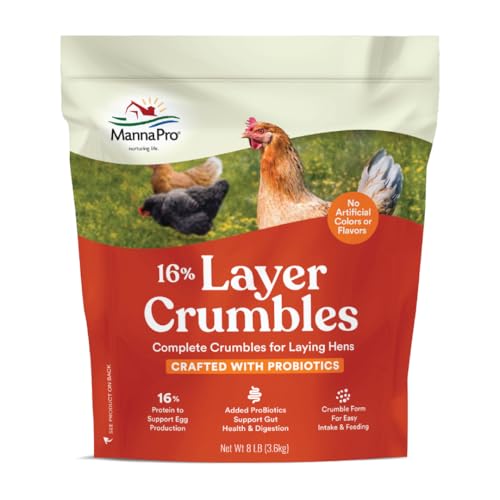
COMPLETE CHICKEN FEED FOR LAYING HENS: Manna Pro Chicken Feed delivers complete nutrition designed for laying hens, supporting strong egg production, healthy feathers, and overall wellness; balanced formula helps maintain optimal health in backyard flocks
Nutritional Requirements for Consistent Laying
Since you’re managing laying hens without a rooster, you’ll want to focus on maximizing their diet to maintain steady egg production. Provide 16-18% crude protein using soybean meal as your primary protein source to support consistent laying performance. Additionally, providing a diet rich in essential vitamins is crucial for their overall health and egg production. Maintain a 4:1 to 7:1 calcium-to-phosphorus ratio, as calcium comprises 96% of eggshell formation. Include 3.50-4.50% calcium and 0.35-0.50% available phosphorus in layer feed for birds 19+ weeks old.
Balance energy requirements at 2,795 kcal/kg metabolizable energy paired with adequate protein. Incorporate vitamin supplementation—particularly vitamin E at 125-500 mg/kg and vitamin C at 200 mg/kg—to enhance immune response and egg quality. Provide clean, fresh water to your hens, as they typically consume water weighing twice that of their feed, which is essential for optimal nutrient absorption and egg production. These nutritional adjustments guarantee your hens maintain maximum laying rates without fertility concerns.

Rep-Cal Ultrafine Powder Is An Excellent Source Of Calcium For All Reptiles And Amphibians

CALCIUM PHOSPHATE POWDER - Unlike other forms, a calcium phosphorus supplement leads to less gas or constipation. Since adequate Calcium & Phosphorus are needed for bone health, Calcium and phosphorus powder helps provide both of these essential minerals, & helps prevent both Calcium & Phosphorus deficiency, especially in pregnant women.*

Feed Grade Minerals - Dicalcium Phosphate, A Balanced Mix of Calcium and Phosphorus
Environmental Factors That Influence Laying Rates
While enhanced nutrition provides the foundation for consistent egg production, your hens’ laying rates also depend heavily on the environmental conditions you maintain in the coop. Temperature fluctuations outside the ideal 13–23 °C range markedly impair laying performance; each degree above this comfort zone can reduce feed intake by 1.6–4.6% depending on the temperature range. Humidity levels between 60–70% combined with moderate temperatures support peak productivity. When you fail to manage these factors together, the Temperature–Humidity Index rises, triggering measurable declines in egg output and quality. Additionally, maintaining 14 hours of light daily, ensuring adequate ventilation to control ammonia and CO₂ levels, and minimizing abrupt environmental changes all directly support consistent laying rates in your flock. Overcrowded living conditions further stress hens and reduce their ability to maintain peak production levels, making proper space allocation essential for optimal performance. Moreover, just like a hen’s balanced diet is crucial for optimal egg production, maintaining environmental stability ensures her wellbeing and productivity are not compromised. To support a healthy diet, consider supplementing with fresh sage, as it offers beneficial nutrients that can enhance a hen’s overall health. Furthermore, a diet that includes nutritious treats like mulberries can help support overall chicken well-being and productivity. It’s important to note that high salt intake can also affect a hen’s overall health and productivity, similar to how extreme temperatures impact laying rates. Lastly, providing hens with access to complete layer feeds that meet their nutrient needs further ensures optimal egg production levels throughout their laying period.


Pre-Assembled, Easy Installation: Pre-assembled line saves setup time. Insert the filter gasket into the fitting, then connect it to your faucet or garden hose. Secure it along rafters or fencing with the included cable ties or tube clamps. No special tools required

【Precise Temperature Control】This digital temperature controller measures –40°F to 210°F with 0.1°F accuracy, giving you confidence to maintain the perfect conditions. The LCD backlit display stays on for about 30 seconds after each operation, making it easy to check readings clearly in a dark basement, garage, or greenhouse at night—without causing unwanted light when not in use
Health and Management Considerations
Because your hens lay eggs without a rooster, they’re fundamentally in a perpetual reproductive cycle that dramatically increases their vulnerability to nutritional deficiencies, skeletal degradation, and reproductive tract complications. You’ll need rigorous health monitoring to detect early signs of calcium depletion, keel bone fractures, and infections like salpingitis. Implement stress management practices by maintaining clean coops, ensuring frequent egg collection, and practicing proper hand hygiene to prevent bacterial contamination. Providing unlimited access to a complete feed is crucial to ensure they receive the necessary nutrients for continuous egg production. Provide adequate dietary calcium and protein to support continuous laying and bone integrity. Monitor for prolapse, egg binding, and yolk peritonitis symptoms while being aware that poor nutrition can exacerbate health issues. Watch for behavioral changes indicating health problems. High-quality laying feed specifically formulated for hens will help maintain the nutritional balance necessary to sustain egg production over extended periods. While daily laying remains sustainable with proper nutrition and management, your active oversight directly determines whether your flock maintains productivity without developing debilitating skeletal or reproductive complications.

High Calcium Chicken Grubs: Compared to traditional dried mealworms, our BSFL dry powder insect feed boasts 85x calcium. This high calcium content enhances eggshell strength and promotes bone health in your hens, ensuring they lay sturdy eggs. Perfect for supporting robust egg production and overall poultry well-being.

Calcium Packed Chicken Treats: Strengthen eggshells with our black fly larvae for chickens bulk bag. With 4% calcium, 114x more than meal worms, our dried black soldier fly larvae worms for chickens help boost laying, for larger eggs with richer yolks

High-Value Nutrition: Contains ~40.62% crude protein and 29.6% crude fat for essential energy. With 3.86% calcium and 7.4% dietary fiber, it supports eggshell quality, bone strength, and digestion
When to Keep a Rooster and When to Skip It
Whether you’ll benefit from keeping a rooster depends on your specific goals, local constraints, and management capacity. Rooster advantages include natural flock reproduction, predator detection, and selective breeding capability. However, rooster disadvantages—noise violations, aggressive mating behavior, and management complexity—often outweigh benefits in urban settings. Keep a rooster if you’re expanding your flock through natural hatching, operate in rural areas where crowing’s acceptable, or maintain a breeding program. It’s important to note that hens lay eggs regardless of whether a rooster is present, so your decision should focus on your breeding and flock expansion goals rather than egg production needs. Additionally, hens typically lay 5 to 6 eggs per week on average, influenced by factors such as breed and living conditions. For example, breeds like the Ameraucana chicken are known for their unique blue-shelled eggs. As with safe outdoor transitions, your decision ultimately hinges on whether egg production alone satisfies your objectives or whether genetic control and flock expansion justify the additional management demands and potential conflicts with neighbors or regulations.

Gamefowl & Poultry Supplies: This 30-piece set of durable chicken feeder cups and chicken water cups provides ample chicken feedersand waterers for all your birds. Perfect for rotation, sharing, or multi-cage setups, ensuring your gamefowl and poultry always have access to fresh feed and water.

26pcs 21 fl.oz.capacity pet feeder water or treat cups for coops cages container,Dog and Cat Kennel Travel Carrier.
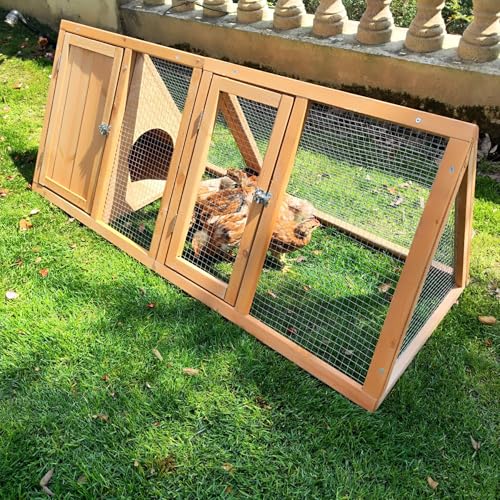
【Portable Chicken Runs】Outdoor chicken run made of sturdy metal wire mesh, forming a stable triangular support that prevents the poultry cage from swaying collapsing.The bunny house weighs 14.5 lbs,and seniors can also move him anywhere on their own.
Proper Egg Handling and Storage Practices
Once you’ve decided to keep hens without a rooster, you’ll produce unfertilized eggs that can last weeks when handled and stored correctly. Collect eggs two to three times daily to minimize bacterial contamination. Use food-safe containers like plastic-coated wire baskets, avoiding porous materials that harbor pathogens.
Additionally, ensuring your hens are not stressed by potential aggressive behaviors when raising them with other birds can help maintain consistent egg production. For washing techniques, avoid unnecessary washing since it removes the protective bloom. If required, use water at least 20°F warmer than the eggs and allow complete drying before refrigeration. Furthermore, ensuring your hens have access to crushed oyster shells can promote strong eggshell formation, contributing to better egg quality. Incorporating herbs like oregano into their diet can enhance their overall health, which may positively impact egg quality. Calcium intake through oyster shells ensures that hens have the necessary nutrients to produce robust eggshells. Additionally, offering crushed eggshells as a natural calcium supplement can further support strong eggshells and overall hen health. Alternatively, employ dry cleaning methods for lightly soiled eggs. Gradual cooling of eggs prevents dirt from being pulled into the shell during the storage process.
Store eggs large-end up at 40–45°F in your refrigerator’s main compartment, not the door. Maintain 70–85% humidity and keep eggs away from strong-smelling foods. Properly stored eggs retain quality for approximately 4–5 weeks beyond pack date.