
Your hens lay eggs almost daily because they’re governed by a biological ovarian cycle lasting 24–27 hours. This rhythm triggers a precise hormonal cascade where light stimulates your hen’s hypothalamus, activating LH and FSH secretion that drives yolk release and egg formation. Genetics play an essential role—modern commercial breeds are selectively bred for high-frequency laying. You’ll realize that light exposure, nutrition, and environmental conditions dramatically influence whether your flock reaches this daily potential.
The Biological Reproductive Cycle Behind Daily Laying
Because a hen’s ovarian cycle typically spans 24–27 hours, she’ll lay nearly every day—though not quite on a 24-hour schedule. You’ll notice her laying time drifts progressively later each day until she skips one entirely, then restarts the pattern. This happens because complete egg formation—encompassing yolk release, albumen deposition, and shell calcification—requires roughly 24–26 hours. The ovulatory cycle’s length exceeding 24 hours creates an inherent phase shift. Consequently, you can’t expect more than one egg per calendar day under normal physiology. Hens typically reach peak production around 25 weeks of age, after which their laying frequency becomes established at nearly one egg per cycle. Additionally, the environment in which the hens are kept can significantly affect their laying patterns, much like how space requirements impact cohabitating birds like ducks and chickens. Production-bred hens demonstrate shorter egg-formation intervals and extended laying cycles compared to non-production breeds, enabling them to approach their theoretical maximum output of approximately one egg per cycle. Proper nutrition requirements are also crucial to ensure hens maintain their productivity and overall health, as a balanced layer feed supports their reproductive system. Light exposure is a crucial factor affecting egg production, as hens need adequate daylight to maintain their reproductive cycle. Stressors like environmental changes can disrupt this cycle and impact egg laying significantly. Genetic factors play a significant role in optimizing their reproductive efficiency, as genetic selection has optimized their reproductive efficiency substantially.
Hormonal Signals That Trigger Egg Production
Three primary hormonal mechanisms drive a hen’s egg-laying cycle: light-dependent pituitary activation, hypothalamic stimulation of reproductive hormones, and the rapid ovulation-oviposition sequence that enables near-daily laying.
When light enters your hen’s eye, it stimulates her hypothalamus to trigger luteinizing hormone (LH) and follicle-stimulating hormone (FSH) secretion. These reproductive hormones control ovulation timing and egg-laying processes. Your hen requires 14-16 hours of daily light to maintain consistent hormone regulation. Decreasing daylight halts hormonal signals to the ovary, ceasing production entirely, which can delay the onset of laying for heritage breeds that typically take longer to mature. Notably, hens from high-producing breeds can lay significantly more eggs each year, further emphasizing the influence of breed on egg production. Additionally, maintaining proper coop ventilation is crucial to ensure optimal health and consistent egg production, especially during colder months. This is important as a healthy gut microbiome in young chicks, established through behaviors like coprophagy, can influence overall health and productivity later in life.
Oviposition itself relies on oxytocin, arginine-vasotocin, and prostaglandins, which coordinate the 180-degree egg rotation into the vagina. This hormone regulation enables ovulation within 60 minutes post-oviposition, facilitating the approximately 24-hour cycle that sustains daily egg production in commercial laying hens. Artificial light supplementation can extend daylight exposure beyond natural hours to prevent the hormonal suppression that occurs during autumn and winter months, ensuring that hens maintain their egg-laying frequency throughout the year.
How Genetics and Breed Selection Shape Laying Frequency
While hormonal signals establish the physiological machinery for egg production, the frequency and intensity of laying you’ll observe in your flock depends fundamentally on genetic architecture shaped by decades of selective breeding. Egg-laying traits exhibit low-to-moderate genetic heritability, ranging from 0.16 to 0.64, meaning you’re working with both inherited and environmental influences. Modern commercial layer lines result from intensive selection strategies targeting early onset, high peak rates, and persistence—nearly daily laying during peak production. It’s essential for hens to be well-adapted to their environment, including factors like temperature regulation, to optimize their laying frequency. You’ll notice substantial between-breed variation; commercial layers vastly outproduce dual-purpose or heritage breeds. Choosing the perfect chicken breeds for your backyard farm can significantly influence the overall productivity and temperament of your flock, especially if you opt for breeds like the Australorp, which is known for its high egg yield. Notably, breeds like the Red Star, which is recognized for its prolific output, exemplify the results of targeted breeding efforts. Contemporary selection strategies exploit crossbreeding to combine complementary lines, maximizing additive and non-additive genetic effects, including hybrid vigor which can enhance traits relevant to egg production. Research indicates that egg quality declines towards the end of the laying cycle, which is why many producers limit commercial laying periods to optimize both production and marketability. Genome-wide studies reveal that laying frequency isn’t controlled by single genes but rather polygenic architecture involving hundreds of loci across multiple chromosomes, each contributing small individual effects.

FRESH BAKED AROMA: Combining the savory scents of bacon, egg & cheese, this recipe is the next best thing to a bite of your breakfast sandwich


REAL CHICKEN FIRST: Blue Buffalo dry dog food starts with real chicken as the first ingredient to help support healthy, lean muscles in adult dogs
The Critical Role of Light in Maintaining Consistent Egg Output
Though genetics and breed selection establish your flock’s laying potential, photoperiod management proves equally fundamental to translating that potential into sustained, predictable egg output. You’ll stimulate reproductive activation when daylength reaches approximately 14 hours, with maximum laying potential occurring near 16 hours of light daily. Lighting effects depend critically on consistency—you must maintain steady photoperiods to prevent hormonal disruption of ovulatory cycles. Notably, certain breeds, such as the Golden Comet, are known for their superior adaptability to artificial lighting conditions, which can enhance egg production. Furthermore, hens require around 50 lumens of light intensity to maintain optimal egg-laying performance. Additionally, incorporating nutrient-rich herbs can improve overall flock health, indirectly supporting continuous egg output. Proper management also considers that chickens do not inherently require lighting to be healthy and comfortable overnight. To support consistent laying in winter months, it’s essential to provide artificial light stimulation during shorter days to emulate longer daylight hours. You should implement gradual adjustments of 15–30 minutes weekly when altering schedules, avoiding abrupt changes that disrupt laying patterns. Effective photoperiod management also requires proper light intensity (10–20 lux), red wavelengths, even spatial distribution, and flicker-free sources. Insufficient lighting below 12 hours can trigger molting or cessation of egg production entirely. You’ll guarantee minimum 8-hour darkness periods for essential rest and welfare, supporting long-term production stability through scientifically calibrated environmental control.
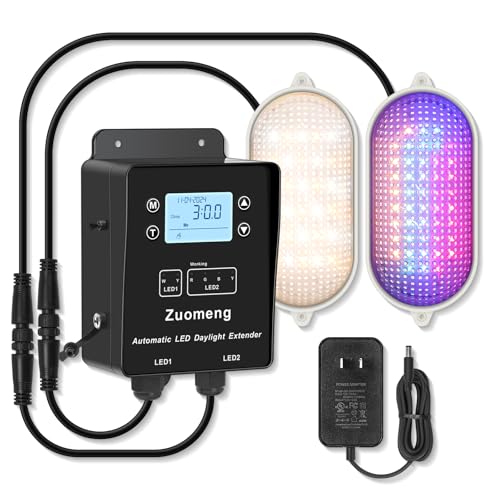
Stable Egg Production in Any Weather – The Zuomeng 2024 upgraded LED daylight extender provides six light colors (natural white, warm white, red, blue, yellow, green) to support chickens of all ages, helping maintain healthy growth and steady egg output even in colder months. (Patent pending)
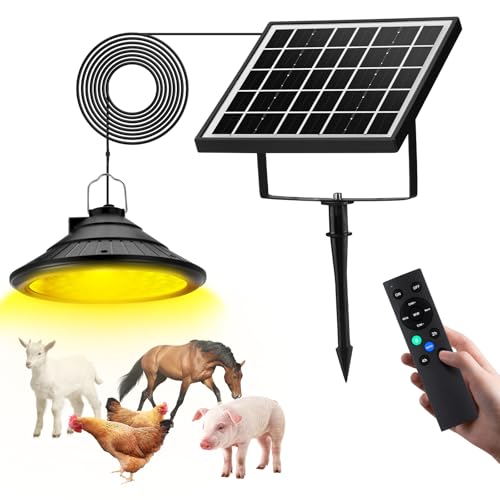
【Three-color dimmable light & four brightness levels】Solar-powered chicken coop lamp has three different lighting modes:White light+Warm white light,White light,Warm white light;Meanwhile, four different brightness levels create a soft and calming environment for poultry without harsh glare.
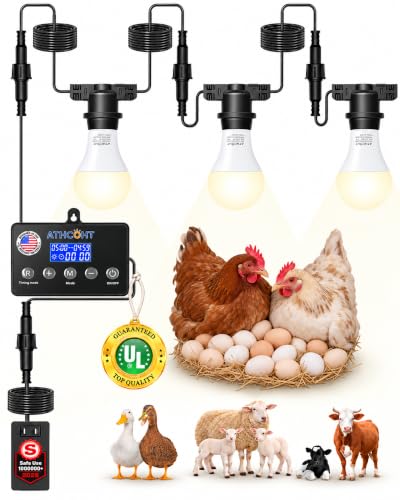
【Enhanced Egg Production】Extends perceived daylight hours to boost winter laying, giving hens ample light even in cold and rainy weather.
Nutritional Requirements for Sustained Daily Egg Production
Just as photoperiod management translates genetic laying potential into consistent output, nutritional precision determines whether your flock’ll sustain that production or experience decline. Modern layers require ~100–110 g daily feed intake delivering 2,680–2,850 kcal/kg energy density to prevent body reserve mobilization. Target 16–18% crude protein via balanced amino acids—particularly standardized ileal digestible lysine—since crude protein alone doesn’t guarantee adequate egg component synthesis. Calcium intake of 3.5–4.0 g/bird/day supports shell formation; maintain 4:1 to 7:1 calcium-to-available-phosphorus ratios using coarse limestone for effective nighttime deposition. Providing free-choice calcium supplements can further enhance overall nutrition. Additionally, crushed oyster shells serve as a critical source of calcium, ensuring hens have a slow-release supply for optimal egg production. Vitamin D3 remains essential for intestinal calcium absorption and bone integrity. Nutrient deficiencies can lead to reduced egg production, disease, or death, making consistent monitoring of feed quality critical. Proper nutrient balance and feed formulation prevent performance decline while optimizing mineral ratios for sustained laying persistence.
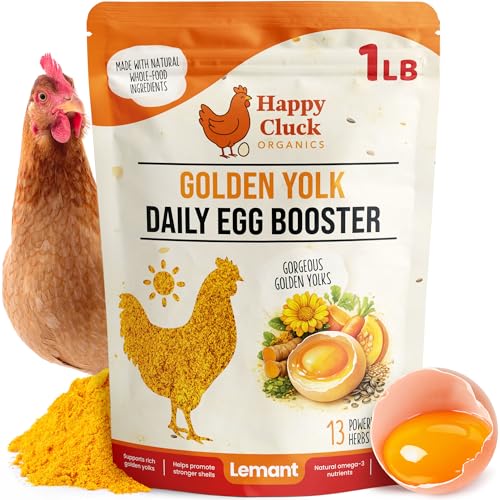
13 WHOLE-FOOD HERBS IN EVERY DAILY SCOOP - This Daily Egg Booster for Chickens packs 13 functional whole-food ingredients into every daily scoop. Each 1 LB pouch blends pumpkin powder, carrot powder, turmeric, milled calendula flowers, stabilized flaxseed, black oil sunflower meal, brewer's yeast, dual-grade calcium carbonate, kelp meal, chili flakes, rosemary extract, and standardized marigold extract into a single premium chicken vitamin and supplement for daily backyard flock nutrition.

BLEND OF SOURCES OF CALCIUM : Chick’N Calcium from the Chick’N Swell product line is made from a blend of sources of calcium: calcium chloride and calcium propionate to provide essential calcium for all laying poultry including chickens, ducks, and quails; from backyard flock to commercial farms, our product is the perfect addition to your chicken water.

STRONGER EGGSHELLS, FEWER BREAKS – Eggshells are 94–97% calcium carbonate; this crushed oyster shell replenishes what laying hens lose daily, reducing cracked and thin-shelled eggs.
Environmental Stressors That Disrupt the Laying Schedule
Even when you’ve optimized nutrition and photoperiod management, environmental stressors can rapidly undermine your flock’s laying consistency. Heat stress above 30°C triggers immediate feed intake declines and ~30% production drops, while chronic high temperatures compromise egg size and shell quality. Soothing Epsom salt baths may help relax hens and support their overall well-being during high-stress conditions. Water quality disruptions cause sharper production losses than feed shortages; hens require abundant fresh water, especially during heat exposure. Lighting disruptions—sudden schedule changes or inadequate intensity—disrupt your birds’ reproductive hormones and halt laying. Social interactions matter too: overcrowding intensifies aggressive behaviors, feather pecking, and fear responses that suppress laying rates and shell quality. Cold weather challenges can also emerge during winter months, requiring supplemental heat stabilization between 55-65°F to maintain consistent egg production and reduce excess feed consumption. You’ll need to monitor environmental conditions closely, maintain consistent flock management practices, and provide adequate ventilation, shade, and water access to sustain reliable egg production.
Age, Health, and Lifecycle Changes in Laying Hens
Understanding your flock’s age-related productivity changes is essential for managing long-term laying performance, since hens follow predictable lifecycle stages that directly influence egg output and quality. You’ll observe pullets’ nesting behaviors around months 4-6, signaling imminent lay onset at 18-22 weeks. Peak production arrives 6-8 weeks later, reaching 90% output during years one and two. You can expect 300+ eggs annually during this prime period, with eggs gradually increasing in size from initial pullet eggs. Furthermore, Rhode Island Reds are particularly known for their steady egg-laying habits, which contributes to their enduring popularity among chicken keepers.
However, you’ll notice production declines noticeably after year three, becoming sporadic by years four-five. Egg size variation increases during maturation as frequency drops. Your flock’s productive life typically spans 78-80 weeks in single-cycle systems. Most backyard flocks maintain hens for 6-8 years total, though their productive laying period is considerably shorter. Understanding this natural trajectory helps you optimize management strategies and replacement scheduling for sustained productivity.
Practical Strategies for Maximizing Your Flock’s Daily Egg Production
Maximizing your flock’s daily egg production requires you to systematically optimize five interconnected management areas: nutrition, light exposure, housing conditions, health status, and biosecurity protocols.
Your feed management strategy should deliver 16–18% crude protein and 3.5–4.0% calcium while maintaining consistent formulation to prevent nutrient swings that suppress laying. It is essential to transition to layer feed around 16 to 18 weeks of age to ensure hens receive the necessary nutrients for optimal egg production. Providing supplemental calcium sources like oyster shells can also help regulate intake for eggshell strength, as oyster shells are an important calcium supplement that supports overall hen health. Additionally, consider selecting feeds that are rich in essential ingredients like amino acids, which are crucial for promoting both growth and egg production. Implement 14–16 hours of daily light using gradual photoperiod adjustments to sustain peak production. Your housing conditions must include adequate nesting boxes (one per 3–4 hens), proper ventilation, and outdoor run space to reduce stress-induced laying disruptions. Ensuring a clean environment is vital as dirty coops can lead to stress and health issues that critically hinder egg production. Ensure your hens have access to fresh, clean water at all times, as insufficient water intake critically disrupts the laying cycle and can halt egg production entirely.
Establish rigorous health monitoring protocols to detect parasites and illness early, as even subclinical infections compromise feed efficiency and egg output. Maintain clean feeders and waterers, quarantine new birds, and keep detailed production records to identify trends requiring corrective intervention.

Boosts Egg Production & Stronger Eggshells: 16% protein layer pellets formulated to support consistent egg laying, improved yolk quality, and stronger shells for reliable daily production

BOOSTS EGG PRODUCTION & STRONGER EGGSHELLS: 16% protein layer pellets formulated to support consistent egg laying, improved yolk quality, and stronger shells for reliable daily production

Rich yellow yolks - A high level of xanthophyll, a coloring agent derived from marigolds, produces deep yellow egg yolks