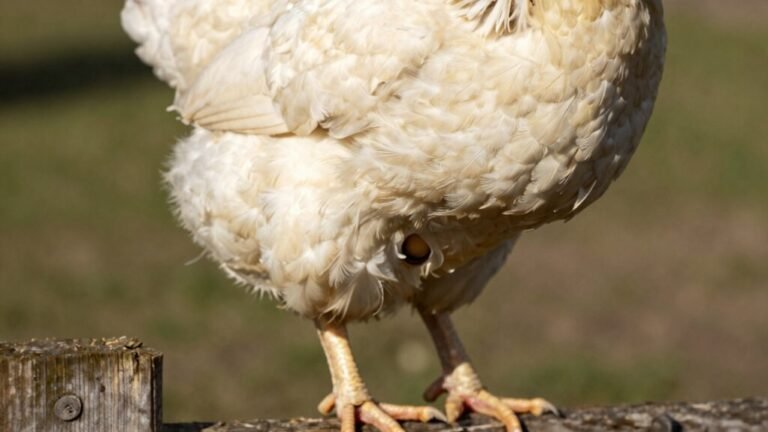
You can safely feed sauerkraut to your chickens in moderation—limiting it to 10% of daily caloric intake, or one spoonful per bird once or twice weekly. The fermented cabbage delivers beneficial Lactobacillus species that neutralize pathogens like E. coli and Salmonella while enhancing nutrient digestibility and egg production. However, you’ll want to introduce it gradually to prevent digestive upset and avoid commercial versions with excessive sodium. Choosing homemade sauerkraut gives you better control over salt content and guarantees safety. There’s considerably more to understand about preparation methods and ideal integration strategies.
Nutritional Profile of Sauerkraut for Chickens
Sauerkraut’s nutritional composition makes it a valuable dietary supplement for chickens. You’ll find that this fermented cabbage delivers exceptional sauerkraut benefits through its multifaceted nutrient profile. The low caloric density prevents excess weight gain while supplying vital vitamins including C, K, and B vitamins that strengthen immune function and enhance metabolic processes. Additionally, the chicken’s anatomy, such as its unique brain stem structure, allows for efficient nutrient utilization, making sauerkraut even more beneficial. Moreover, species-appropriate diets such as layer feeds ensure that hens receive the necessary protein and calcium for optimal egg production. You gain significant digestive health advantages from its high fiber content, which promotes intestinal movement and prevents impacted crops. The addition of black pepper benefits can further enhance the nutritional value and health of your chickens when offered alongside sauerkraut. The mineral composition supports nutrient absorption and egg production. Additionally, the fermentation process fosters beneficial gut flora development, creating an ideal internal environment. Chickens can eat certain fermented foods that help enrich their gut health, further enhancing the benefits of incorporating sauerkraut into their diet. You’re fundamentally providing your flock with a concentrated nutritional package that complements standard feed while addressing potential dietary deficiencies. However, sauerkraut should only be offered in moderation as treats, comprising no more than 10% of a chicken’s daily caloric intake to maintain nutritional balance. This makes sauerkraut a scientifically sound supplemental choice for thorough poultry nutrition.
Probiotic Benefits and Fermentation Advantages
Because your flock’s digestive health directly influences nutrient absorption and immune function, understanding how fermentation creates a probiotic-rich supplement becomes essential to thorough poultry nutrition. Fermentation processes convert sauerkraut into a potent source of beneficial microorganisms, primarily Lactobacillus species, which establish protective colonies along your chickens’ gut linings. This practice of incorporating enriching supplements, similar to using realistic dummy eggs, promotes overall flock health and productivity. Additionally, herbal supplements like oregano and garlic can further enhance gut health and immunity when combined with fermented foods.
These probiotic mechanisms work through multiple pathways: lactic acid bacteria neutralize pathogens like E. coli and Salmonella while reducing phytic acid and enzyme inhibitors in feed. The fermentation process breaks down complex nutrients, enhancing digestibility and absorption rates considerably. When you incorporate fermented sauerkraut, you’re introducing living cultures that balance your flock’s microbiome, strengthen intestinal barriers, and reduce infection risks while supporting ideal nutrient utilization under stress conditions. Regular sauerkraut supplementation also boosts immunity by protecting gut walls from harmful bacteria and competing for nutrients that pathogens would otherwise utilize. Furthermore, a well-balanced diet that includes quality feed formulations is vital in maximizing the health benefits derived from supplements like sauerkraut.
Safety Concerns and Potential Risks
While fermented sauerkraut offers significant probiotic benefits, you’ll need to carefully manage its introduction and monitor your flock’s response, as several safety considerations can undermine these advantages. Commercial sauerkraut’s high sodium content poses the primary concern, potentially causing health complications in chickens. Excessive intake triggers digestive upset, including gas production and diarrhea, particularly in birds with sensitive digestive systems. You should introduce sauerkraut gradually in small portions and limit feeding to once or twice weekly. Additionally, histamine levels in fermented products may cause allergy-like symptoms in sensitive birds. Chickens require balanced diets so it’s essential to provide various nutrients while including any treats. Watch for behavioral changes, lethargy, reduced egg production, and abnormal droppings. Moreover, the nutritional benefits of feeding diverse treats like sauerkraut can complement the overall health of your flock. In addition, incorporating construction-grade sand into their dust baths can improve their overall hygiene, which may complement the benefits they receive from sauerkraut. Avoid feeding spoiled or moldy sauerkraut, and refrigerate leftovers promptly. Never feed unpasteurized versions to immunocompromised flocks or young chicks. The vitamin C content in sauerkraut may support immune function in healthy birds, though more research is needed to determine optimal dosing for poultry. Incorporating sauerkraut into homemade chicken treats can provide a nutritious boost while ensuring you maintain proper feeding guidelines.

25% LESS SODIUM: Ready-to-eat premium white chicken breast with 25% less sodium than our regular white chicken, perfect for flavorful, ready-to-eat sandwiches, chicken salads, buffalo chicken, or quick high-protein meals


Four (4) 8 oz cartons of Pacific Foods Low Sodium Organic Free-Range Chicken Broth
Practical Feeding Guidelines and Best Practices
Once you’ve confirmed your flock tolerates sauerkraut without adverse reactions, implementing structured feeding protocols secures consistent nutritional benefits while maintaining dietary balance. Establish portion control by limiting sauerkraut to 10% of your chickens’ daily diet, serving one spoonful per bird as your standard serving size. Adjust amounts based on individual chicken size, breed, and health status. Regarding feeding frequency, administer sauerkraut once or twice weekly, never daily, to preserve moderation and prevent nutritional imbalances. Mix the spoonful directly into their commercial feed or offer it separately. Monitor your flock’s response before increasing frequency. Like fermented chicken feed, sauerkraut’s beneficial lactobacillus bacteria can improve digestion and support gut health when offered as a supplemental treat. This disciplined approach guarantees sauerkraut supplements rather than replaces their primary balanced commercial feed, optimizing digestive health without compromising nutritional integrity.
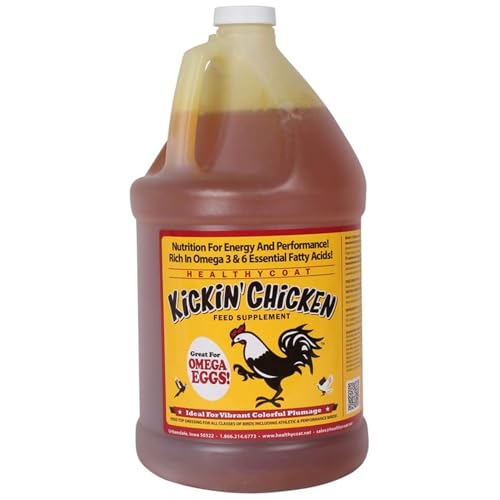

{Healthy Flock} Proper nutrition and a well-balanced microbiome can help your poultry defend against dangerous pathogens. Brewer's Yeast with Probiotics, Prebiotics and Niacin can help achieve exceptional health in your flock
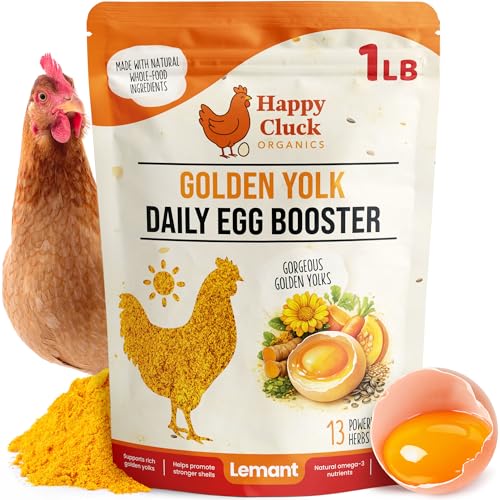
13 WHOLE-FOOD HERBS IN EVERY DAILY SCOOP - This Daily Egg Booster for Chickens packs 13 functional whole-food ingredients into every daily scoop. Each 1 LB pouch blends pumpkin powder, carrot powder, turmeric, milled calendula flowers, stabilized flaxseed, black oil sunflower meal, brewer's yeast, dual-grade calcium carbonate, kelp meal, chili flakes, rosemary extract, and standardized marigold extract into a single premium chicken vitamin and supplement for daily backyard flock nutrition.
Effects on Production and Flock Health
When you introduce sauerkraut to your flock’s diet, you’re leveraging the probiotic potential of lactic acid bacteria (LAB) strains that colonize the chicken gut and establish a healthier intestinal microbiome. The LAB acidify your gut environment, suppressing acid-sensitive pathogens like E. coli and Salmonella, which reduces disease risk and improves overall flock health metrics. Additionally, the inclusion of oregano oil can further aid in enhancing the immune response of your chickens, supporting their overall health and productivity.
You’ll likely observe enhanced feed efficiency, as fermented feeds correlate with maintained production despite reduced feed intake. Research on fermented ingredients suggests improvements in egg weight and shell thickness through enhanced nutrient bioavailability, particularly B vitamins and minerals critical for shell formation. The lactic acid created during fermentation creates an environment unsuitable for bad bacteria, further protecting your flock from foodborne illness. Moreover, incorporating various fresh vegetables into their diet, similar to how chickens can eat lettuce, complements the nutritional benefits of sauerkraut. However, you must monitor sodium content in commercial sauerkraut, as excess dietary sodium can disrupt electrolyte balance and compromise laying performance. Direct controlled trials in laying hens remain limited, so empirical validation remains necessary.
Sourcing, Preparation, and Alternative Options
To maximize the probiotic benefits you’ve identified, you’ll need to source quality sauerkraut, prepare fermented feed correctly, and understand viable alternatives that suit your operation’s constraints. For sauerkraut sourcing, homemade versions let you control salt levels, while commercial products require limiting due to high sodium content. During fermentation preparation, submerge your feed completely in dechlorinated water and use 1+ tablespoon sauerkraut juice as starter. Ferment for 3-4 days, stirring daily until bubbles appear and a sour smell develops. Additionally, incorporating crushed eggshells into your chickens’ diet can further enhance their health by providing essential calcium for strong eggshells. Beyond traditional sauerkraut, you can substitute lacto-fermented pickle juice, cultured buttermilk, mesophilic whey, or sourdough starter hooch to initiate fermentation. Additionally, during the colder months, it’s important to ensure your chickens have thawed water sources available to maintain their health and hydration. Store your batch in loosely covered glass or food-grade containers, preparing one to two daily servings per batch. Successful fermentation introduces B vitamins into feed, meeting your chickens’ nutritional needs faster and reducing overall feed requirements through increased absorption.

COMPLETE STARTER FEED FOR CHICKS: Specifically formulated for chicks from hatching to 16 weeks, this non-medicated chick starter feed delivers balanced nutrition and essential nutrients to support strong, healthy early growth and development.

MEDICATED CHICK STARTER FEED: This complete chicken feed is made with added Amprolium to aid in the prevention of coccidiosis, and contains 18% protein for weight gain, our chicken food is essential for your young birds.

Non-GMO, Corn & Soy-Free: Made with high-quality ingredients to support healthy chick growth. This starter chick feed is free from genetically modified organisms and soy, ensuring a cleaner and more natural diet. A great choice for poultry owners looking for chick feed that prioritizes wholesome nutrition.