You’ll need precision in every aspect to raise Malaysian Serama bantams successfully. These extreme miniatures, weighing under two pounds, demand specific housing of 2.5–3 square feet per bird, strict temperature control between 70–75°F, and high-protein bantam feed. Breeding requires long-legged stock and reliable incubation at consistent temperatures for 19–20 days. Health management involves rigorous sanitation, quarantine protocols, and regular disease monitoring. Proper socialization from three days old guarantees manageable birds. Understanding breed standards for V-shaped posture and upright carriage separates casual keepers from serious enthusiasts.
History and Origin of the Serama Breed
While small ornamental chickens’ve existed in Southeast Asia for centuries, the Serama breed as you’d recognize it today emerged deliberately in 1970s Malaysia through selective breeding rather than spontaneous development. Breeder Wee Yean Een pioneered this modern development in Kelantan, combining local bantams with Japanese bantam stock to achieve his vision: extreme miniature size, an upright V-shaped posture, pronounced breast development, and confident temperament suited for exhibition. Successful predator-proof coops are essential for maintaining a safe environment for your flock. Many of the characteristics desired in Serama bantams can be compared to those of prolific layers in breeds like Leghorns, highlighting the importance of careful breeding. Notably, the visual and behavioral traits of chickens, such as socially dominant roosters, influence how they are perceived in competitive settings. Additionally, as with any poultry breed, it is crucial to monitor for feather loss to ensure their health and well-being. This cohabitation approach can also enhance their overall health by promoting natural parasite control through mutual foraging behaviors.
The cultural significance of small chickens in Malay Peninsula traditions—evidenced by names like “ayam katik” (pygmy chicken)—provided the foundation for this modern development. While oral traditions reference centuries-old pet-keeping practices and royal gifts, documented breed standardization began in the 1980s–1990s when Serama birds first appeared publicly in Malaysia before international export commenced in the 1990s–2000s. Seramas were showcased for the first time in 1990, marking a pivotal moment in the breed’s recognition beyond Malaysian borders.
Physical Characteristics and Breed Standards
Wee Yean Een’s selective breeding vision didn’t just produce a smaller chicken—it established a precise blueprint that defines Serama identity across multiple breed standards today. You’ll find physical variations recognized through distinct breed classification systems: SCNA A Class birds weigh up to 350g (cocks) and 325g (hens), while SCNA B Class reaches 500g and 425g respectively. ABA standards permit 358-537g for cocks with 20% variance tolerance.
You’ll recognize Seramas by their compact, muscled bodies with prominently lifted, forward-facing breasts. Their distinctive upright carriage requires sufficient neck length. Medium-length, well-muscled thighs support sturdy shanks. You’ll appreciate their small, upright single combs with five serrations, bright red facial features, and high-set tails. Feathers display lustrous sheens in any color combination, with broad coverts forming two distinct bars. The vertical body shape forming a V when viewed from the side is a defining characteristic that distinguishes true Malaysian Seramas from other bantam breeds. Notably, these birds typically weigh less than 2 pounds, making them an ideal choice for confined spaces. Additionally, their egg production capacity is relatively modest compared to other breeds, averaging around a few eggs per week, which is common among breeds known for lower output. It is essential for Serama owners to remain vigilant against chicken predators, as these birds may be targeted by various animals, posing a threat to their safety.
Housing and Space Requirements
Because Serama bantams‘ diminutive size fundamentally alters their housing requirements compared to standard chicken breeds, you’ll find they need notably less space while requiring heightened protection strategies. You’ll provide 2.5-3 square feet per bird inside the coop, though pairs or trios fit comfortably in 24×18 inch enclosures. Coop elevation proves essential for disease prevention and predator defense. Your space efficiency gains don’t compromise welfare—bigger accommodations remain recommended over minimums. It’s important to note that broiler chickens do not produce eggs since they are harvested for meat at a young age, influencing how space and care are allocated.
Outdoors, you’ll maintain smaller runs than standard chicken operations require. In fact, for Serama bantams, providing around 5 to 8 square feet of outdoor run space per bird can help ensure their comfort and health. Covered runs protect against weather, while constant water access and shade spots support bird health. Hardware cloth rather than chicken wire safeguards against predators targeting these vulnerable birds. You’ll ascertain fully predator-proofed enclosures protecting against dogs, cats, and birds of prey. Similar to presence of applicant or representative requirements in official documentation procedures, the consistent presence of adequate shelter and monitoring ensures your Serama bantams’ security and wellbeing. Access to foraging areas enhances their wellbeing considerably.
Temperature Management and Climate Considerations
Given their miniature size and rapid metabolism, Serama bantams demand precise temperature management throughout their lives—from the brooder through adulthood. You’ll maintain 95°F during week one, then reduce temperatures by approximately 5°F weekly until full feathering occurs around 70–75°F. Temperature fluctuations stress your birds and increase mortality risk, so prioritize environmental stability.
Adult Seramas thrive in warm conditions but tolerate 40°F minimums with proper housing. You must recognize heat stress thresholds above 85°F, requiring shade, ventilation, and cool water access. For climate adaptation, insulate sleeping areas, eliminate drafts, and provide escape routes from supplemental heat sources. Your Seramas’ silkied feathering offers limited cold tolerance, necessitating enhanced protection during winter months. Research demonstrates that acclimatization plays a key role in enabling Seramas to survive temperatures well below previously assumed thresholds, with properly acclimated birds remaining active and healthy even in single-digit conditions.
Feeding, Nutrition, and Water Management
Since Serama bantams possess accelerated metabolisms relative to their diminutive size, you’ll need to provide consistent, species-appropriate nutrition that accounts for their unique physiological demands. High-quality poultry feed formulated specifically for bantams delivers balanced nutrition efficiently. Your Seramas consume approximately one pound of feed monthly, markedly reducing feeding costs compared to standard chickens. Selecting high-quality commercial feed ensures nutritional uniformity across their diet. It’s important to note that a diet rich in high-protein feed can further support their growth and energy needs. Additionally, providing blue egg-laying breeds as a part of your poultry experience can enhance variety and interest in your flock.
Select appropriate feed types like Nutrena Naturwise Chick Starter/Grower for young birds, shifting to meat bird formulas after four months for enhanced protein content. Use crumbles rather than pellets to facilitate consumption by small beaks. Additionally, it is vital to provide essential grit to help with the digestion of any supplementary foods that may be offered. Incorporating high-quality feeds that are free of artificial additives can also promote overall health and productivity.
Nutritional supplementation enhances health outcomes. Provide oyster shell free-choice for laying hens, mealworms during molting periods, and omega-3 enriched seeds for feather quality. Guarantee constant access to clean, fresh water in easily accessible containers, supporting digestion alongside essential grit. A balanced diet of high-quality poultry feed, fresh fruits, and vegetables is essential for maintaining optimal health and productivity throughout their lifespan.
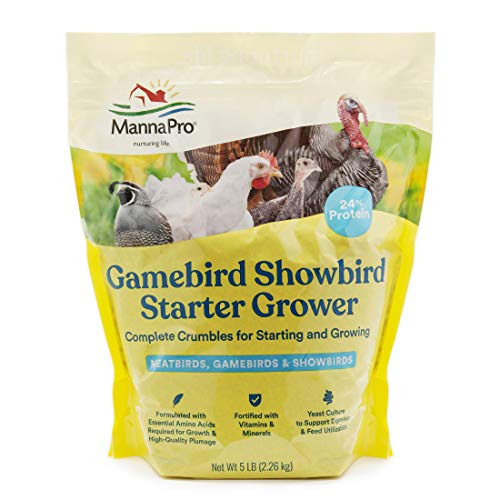
HIGH-QUALITY PROTEIN SOURCES: With 24% protein, this formula supports fast, efficient growth and helps develop strong muscles and vibrant plumage. Perfect for raising healthy birds that look great and perform at their best in every stage of life.
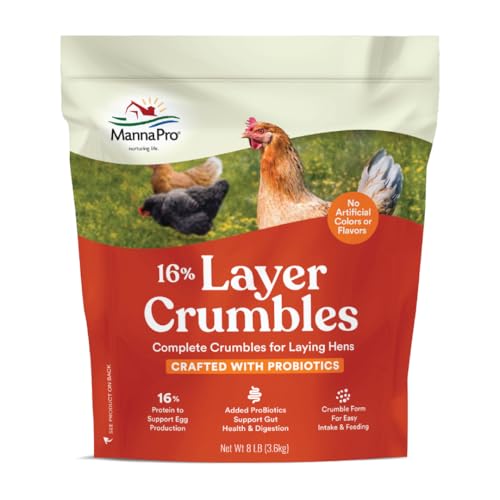
COMPLETE CHICKEN FEED FOR LAYING HENS: Manna Pro Chicken Feed delivers complete nutrition designed for laying hens, supporting strong egg production, healthy feathers, and overall wellness; balanced formula helps maintain optimal health in backyard flocks

Breeding, Incubation, and Chick Rearing
Once you’ve established a foundation of proper nutrition and husbandry, you’re ready to develop a breeding program that’ll maximize hatch rates and chick viability. Select long-legged breeding stock to avoid lethal short-legged genetics, maintaining one rooster per 4-5 hens for ideal fertility. Your breeding techniques should prioritize egg selection—choose fresh, good-sized eggs from quality parents. For incubation tips, use a reliable incubator maintaining consistent temperature and humidity over the 19-20 day period. Remember that type is prioritized over size when assessing your breeding stock, as overall attributes have a far greater impact on offspring quality than achieving smaller frame dimensions. Once chicks hatch, establish chick care protocols: maintain brooder temperatures at 95°F initially, decreasing gradually, and provide appropriately-sized starter feed with constant fresh water access. Monitor health daily in draft-free environments with soft bedding to guarantee successful flock development.

𝐄𝐀𝐒𝐘 𝐌𝐎𝐍𝐈𝐓𝐎𝐑𝐈𝐍𝐆 𝐖𝐈𝐓𝐇 𝐑𝐄𝐌𝐎𝐓𝐄 𝐏𝐑𝐎𝐁𝐄: The combination of digital thermometer and hygrometer with a remote sensor in a single device allows users to monitor both temperature and humidity levels simultaneously, important for the ideal conditions in egg incubation. The remote probe can be placed inside the incubator while the display remains outside for easy viewing.

FOR CHICKENS, DUCKS & PHEASANTS: This incubator for hatching eggs can hold up to 22 chicken eggs, 12-18 duck eggs and 22-24 pheasant eggs; with an automatic egg turner, temperature and humidity control, hatching eggs has never been easier.Allergen information : Eggs. Number of Items : 1.
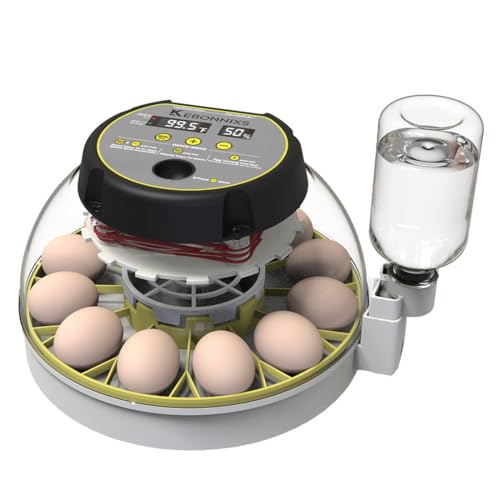
★【STABLE TEMPERATURE】- Induced airflow system drived by a strong circulating fan for a stable incubator temperature distribution
Health, Disease Prevention, and Biosecurity
While Serama bantams benefit from a naturally robust constitution and diverse genetic background that doesn’t predispose them to specific illnesses, you’ll still need to implement extensive health protocols to protect your flock. Establish regular health monitoring by examining eyes, skin, and feathers for clarity and parasites. Disease treatment requires prompt intervention—dust treatments every five days eliminate lice and mites, while coccidiosis prevention demands scrupulous sanitation. Providing optimal water temperature for feathers during scalding can also aid in maintaining overall health by ensuring proper cleaning practices. Provide dust baths with fine sand for natural parasite control. Quarantine new birds and verify disease-free status from reputable breeders. Maintain predator-proof coops with adequate ventilation, and house birds indoors below 40°F since Seramas lack cold-hardiness. Supply species-appropriate feed with 20% protein for chicks, supplemented with calcium and weekly vitamin treatments to strengthen immune function. Regular cleaning and changing of bedding maintain a healthy living environment that prevents the spread of respiratory problems and other common ailments.

The small pets bath sand with no-addon, designed for Hamsters, Gerbils, Degus, Mice, or other small-sized pets who need to take sandbaths regularly to keep their own clean & well-being.
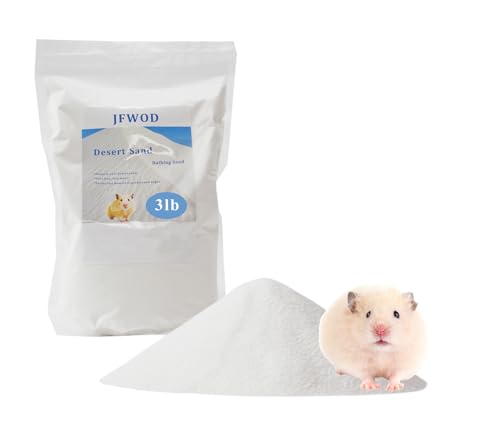
The small pets bath sand with no-addon, designed for Hamsters, Gerbils, Degus, Mice, or other small-sized pets who need to take sandbaths regularly to keep their own clean & well-being.
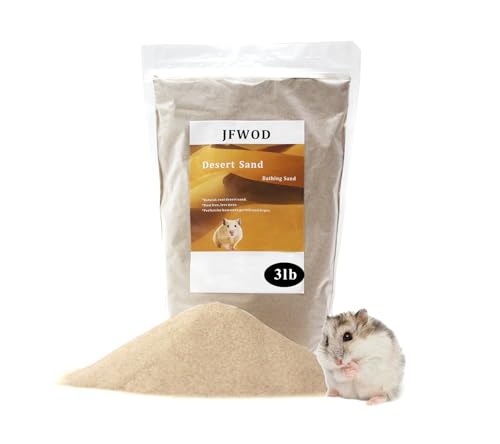
You will receive one bag of hamster bath sand, each weighs 3.3lb. No coloring or fragrance added, ensuring safety and healthiness.
Handling, Temperament, and Socialization
Because Malaysian Serama bantams possess naturally docile temperaments, they’ll respond exceptionally well to early handling and consistent socialization—traits that distinguish them from many other poultry breeds. Begin handling techniques from day one week old, using a gentle grip with one hand supporting the chest while limiting pressure to 1-2 psi. Keep sessions brief—5-10 minutes—to prevent fatigue and stress-induced paralysis.
Your temperament evaluation should start at day three with supervised petting. Introduce chicks to humans progressively, then integrate groups at 4-6 weeks using a 1:4 male-female ratio. Employ positive reinforcement with mealworms, achieving 95% compliance rates. Daily flock rotations prevent dominance hierarchies, while mirror exposure builds confidence in 80% of chicks. Proper socialization yields 50% reduced flight responses and enhanced competitive temperament scores. Additionally, raising chickens can offer educational opportunities for children, helping them learn about responsibility and animal care from a young age.
Show Preparation and Exhibition Standards
The socialization and handling skills you’ve developed lay the groundwork for success in the show ring, where Malaysian Serama bantams must demonstrate breed-specific excellence across standardized criteria. Exhibition standards emphasize type and character, with judges evaluating upright carriage, prominent chest development, and tail placement on tabletop formats. Your show preparation requires meticulous grooming—clean, undamaged plumage and firm conditioning are non-negotiable. You’ll practice posing techniques to enhance performance, as temperament and strutting ability directly influence placement. Additionally, ensuring your birds’ strong bone health and optimal eggshell quality through proper calcium sources can be beneficial. Weight-class compliance (A, B, or C divisions) determines eligibility and scoring parameters. The SCNA establishes breed standards to ensure consistent evaluation across shows and differentiate Malaysian Serama from American Serama varieties. Feather quality, leg alignment, and overall conformation receive specific point allocations on standard scorecards. You must condition your birds physically and behaviorally to meet these rigorous exhibition standards and maximize competitive success.

HIGH IN CALCIUM AND MAGNESIUM: Both are necessary for normal neural, muscular, and blood vessel function, as well as for the maintenance of proper bodily fluid balance*

HIGH IN CALCIUM AND MAGNESIUM: Both are necessary for normal neural, muscular, and blood vessel function, as well as for the maintenance of proper bodily fluid balance*

PLANT BASED CALCIUM MAGNESIUM: We start with a scientifically validated and trademarked source of calcium/magnesium concentrated to 1000mg per serving. We then add plant based vitamins D3 and K2 for calcium assimilation and critical trace minerals like strontium and boron which help form the bone matrix. Altogether more than a dozen different supplements in one. We call this the ultimate Fusion for bone health!