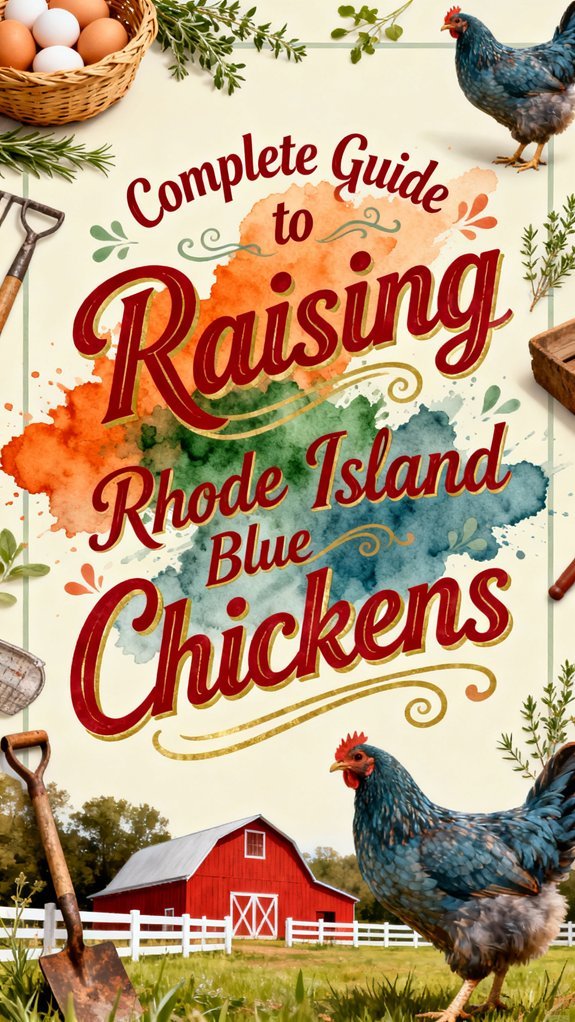
You’ll need to master housing specifications, nutritional protocols, and health monitoring strategies if you’re serious about raising Rhode Island Blue chickens successfully. These docile, productive birds require minimum four square feet of coop space per bird and thrive on 20–24% protein starter feed shifting to layer rations. They’ll produce 260–290 brown eggs annually while living 5–10 years with proper care. Understanding their breeding genetics, common health issues like calcium deficiency, and sourcing from reputable hatcheries guarantees a thriving flock, and there’s considerably more to uncover about optimizing their performance.
Breed Origins and Characteristics
As a deliberate hybrid developed in the United States, the Rhode Island Blue combines the egg-laying prowess of the Rhode Island Red with the productivity traits of the Australorp. This breeding history reflects American innovation aimed at maximizing your flock’s output for both eggs and meat production.
Your Rhode Island Blues will display distinctive physical characteristics: roosters weighing 8–9 pounds and hens weighing 6–7 pounds, with plumage mixing bluish-gray, light gray, red, and reddish-brown tones. They’ll feature gray legs, rectangular bodies, deep chests, dark beaks, and single combs. Chickens like the Rhode Island Blue can enter adulthood around 18 to 25 weeks when they begin producing eggs and mature further in size and weight by about one year. Dual-purpose breeds are especially favored in homesteads for their versatility. These hardy chickens can live between 5 to 8 years, and with excellent care, some may even reach 10 years or more. Barred Rock chickens, for instance, are known for their consistent egg production year-round, making them a reliable choice for backyard flocks. Additionally, Rhode Island Blues thrive in various climates, making them highly adaptable breeds for diverse backyard setups.
The hybrid advantages you’ll experience include superior egg-laying capability inherited from both parent breeds, combined with enhanced foraging ability and dual-purpose meat production. This strategic crossbreeding produces more productive birds than either parent breed alone. Like their Rhode Island Red ancestors, these birds are recognized for yellow skin and brown egg shell production, characteristics valued in both commercial and homestead settings.
Temperament and Social Behavior
Because Rhode Island Blues possess a docile and friendly disposition, they’re well-suited to backyard and family settings where regular human interaction occurs. You’ll find hens respond well to quiet handling and consistent positive engagement, building trust over time. Additionally, maintaining proper nutrition can help prevent watery droppings that may indicate stress or health issues. Notably, understanding crested breeds can provide insights into unique feathered characteristics that might intrigue poultry enthusiasts.
Understanding flock dynamics is essential—Rhode Island Blues establish linear pecking orders within weeks, with roosters typically occupying dominant ranks. You’ll observe pecking, chasing, and resource competition until hierarchies stabilize. Their calm temperament helps prevent severe injuries during these hierarchy-establishing phases.
For aggression management, provide adequate space, multiple feeders, and nest boxes to minimize conflict. Separate persistently aggressive individuals if necessary. Introduce new birds gradually using adjacent pens before full integration.
Social enrichment reduces stress behaviors considerably. You’ll promote psychological well-being through foraging opportunities, dust-bathing substrates, perches, and ground cover. Scatter-feeding and environmental variety encourage natural exploration, lowering feather-pecking incidents and supporting overall flock harmony.
Housing and Space Requirements
Proper housing directly impacts your Rhode Island Blues’ health, productivity, and longevity, making space allocation a critical foundation for successful flock management. Your coop design must provide 4 square feet of floor space per bird, with 8-10 inches of roosting perch per chicken to support natural nighttime behavior. The ideal coop should ideally provide 20 to 40 square feet to ensure ample space for comfort and movement, while maintaining 3 to 5 square feet of indoor coop space per bird. Additionally, providing 200-square-foot run areas will allow your flock ample outdoor movement. Outdoor run space should total 8-10 square feet per bird, enabling essential foraging and exercise.
For housing essentials, include one 12x12x18 inch nesting box per several hens to facilitate comfortable egg-laying. Remember to use sturdy construction materials that can withstand the elements and protect your flock from predators. Proper ventilation is also important for healthy chicken living, allowing fresh air to circulate and minimizing humidity levels inside the coop. Maintain temperatures between 65-75°F for mature birds, ensuring protection from sudden fluctuations. Provide 14-16 hours of daily lighting to sustain consistent egg production. Environmental enrichments such as dust baths and ramps offer mental stimulation and encourage natural behaviors. These specifications create an environment where your Rhode Island Blues thrive physically and behaviorally.

11-PIECE COMPLETE FARM SET: Includes a detailed rooster, 2 hens, chicks, 12 eggs, egg carton, ramp, fencing, and working basket to create a fully equipped chicken coop scene for immersive, hands-on farm storytelling fun.


Large Capacity: This large chicken coop (77.4"L x 25.59"W x 39.37"H) offers ample room for 2-4 chickens (or 4-6 depending on breed) to roam comfortably. Its well-ventilated design creates an ideal hen house for backyard flocks – because happy chickens lay better eggs
Nutrition and Feeding Guidelines
Just as proper housing establishes the physical foundation for your flock’s success, strategic nutrition directly determines your Rhode Island Blues’ growth rate, egg production, and overall health throughout their lives. Your feeding strategies must align with each developmental stage’s nutritional requirements. Start chicks on 20–24% protein starter feed for six weeks, then shift to 16–18% grower feed until eighteen weeks. When laying begins, switch to layer rations containing 14–17% protein and 2.5–4% calcium. Providing supplemental calcium sources like oyster shell free-choice allows hens to self-regulate calcium intake. Offering oyster shells not only supports eggshell quality but also contributes to overall hen health, as they are essential calcium sources for strong eggshell formation. Additionally, incorporating edible flowers and herbs such as marigold and basil into their diet can enhance your chickens’ overall wellness and egg quality. Expect laying hens to consume approximately 0.25 lb feed daily. It’s crucial to ensure a diet centered on quality grains and pellets, as this forms the backbone of their feeding regimen. Limit scratch grains to prevent obesity, supply grit when foraging occurs, and maintain constant fresh water throughout all life stages.
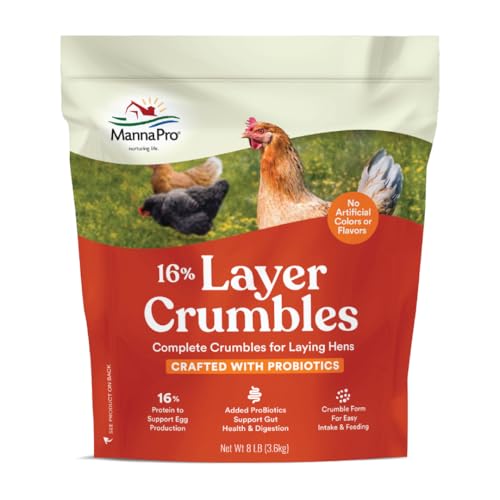
COMPLETE CHICKEN FEED FOR LAYING HENS: Manna Pro Chicken Feed delivers complete nutrition designed for laying hens, supporting strong egg production, healthy feathers, and overall wellness; balanced formula helps maintain optimal health in backyard flocks

Rich yellow yolks - A high level of xanthophyll, a coloring agent derived from marigolds, produces deep yellow egg yolks

COMPLETE ALL FLOCK FEED FOR MIXED BACKYARD FLOCKS: Versatile poultry feed & all flock feed designed to support chickens, ducks, turkeys, geese, & more; a balanced bird food that simplifies feeding a diverse species in your backyard or homestead
Health Management and Disease Prevention
While a well-balanced diet fuels your Rhode Island Blues’ development and productivity, you’ll also need to establish extensive health management protocols to protect your flock from disease and parasites. Start with flock vaccination through your veterinarian at appropriate ages, then schedule annual checkups covering body condition, parasites, and injuries. Implement rigorous biosecurity by sourcing birds from HPIP-approved suppliers and quarantining newcomers before integration. Additionally, it’s essential to regularly monitor any signs of distress signs in chicks similar to how you would with Silkie chickens, to promote early detection of potential health issues. Keeping an eye out for signs of lice infestations can also prevent further health complications for your flock. To keep your chickens engaged, consider adding homemade toys that encourage natural behaviors. Regular inspections for northern fowl mites can help keep your flock healthy, as these parasites can cause severe irritation and reduced egg production. To soothe muscle aches or irritation, consider incorporating Epsom salt baths into your health management routine. Maintain disease surveillance through regular health monitoring, watching for distress signs in chicks and adults. Cover runs to reduce wild bird exposure and HPAI risk. Keep coops well-ventilated and dry to prevent respiratory infections. Apply vegetable oil monthly against mites and add garlic to expel worms. Inspect your flock regularly for parasites and address issues promptly. Quarantine any new flock members for at least two weeks to ensure they are healthy before introducing them to your existing Rhode Island Blues.
Common Health Issues and Solutions
Even with robust preventive measures in place, Rhode Island Blues can still develop health issues that require swift identification and intervention. You’ll encounter two primary categories: metabolic disorders and infectious diseases.
Metabolic disorders commonly affect your flock. Calcium deficiency increases egg binding and soft-shelled eggs—supplement with ground oyster shell and quality layer feed. Fatty liver syndrome develops from overweight birds on high-energy diets; reduce calories and increase exercise. Hypocalcemia during peak lay causes muscle weakness and thin shells; treat with calcium supplementation under veterinary guidance. Incorporating nutrient-rich hemp seeds into their diet can also support overall health and productivity. Maintaining a balanced diet that includes layer feeds with 16-18% protein ensures they receive essential nutrients for optimum egg production. Regular monitoring of behavioral changes and appetite can help identify these metabolic issues before they become severe. Additionally, ensuring the safety of your chickens at night can reduce stress and promote better overall health, as owls pose a threat that can affect their well-being.
Infectious diseases pose serious threats. Coccidiosis causes bloody diarrhea in young birds; treat with anticoccidials and maintain clean brooding areas. Respiratory viruses produce coughing and reduced production; provide supportive care and isolation. Newcastle disease and avian influenza demand immediate reporting to state authorities and potential quarantine protocols. Early detection of symptoms through regular health checks improves survival rates and prevents disease spread throughout your flock.

Superior calcium from Oolitic Aragonite: Provides high-quality calcium sourced from naturally occurring Oolitic Aragonite for optimal poultry nutrition
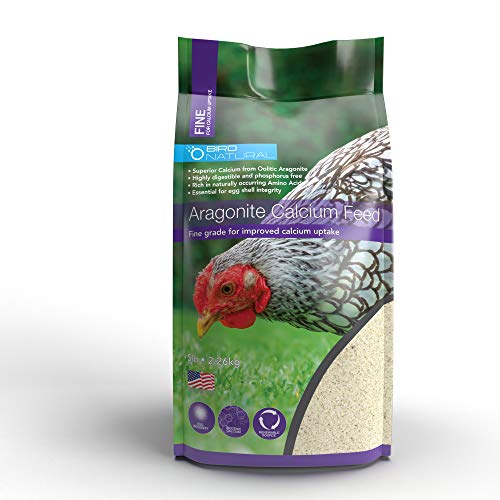
Superior calcium from Oolitic Aragonite

Optimal Health and Egg Production - Enriched with 16% protein from organic grains, this feed provides a balanced and complete diet for laying chickens and ducks, promoting growth and nutritious, supports strong eggshells
Breeding and Genetic Selection
Once you’ve established solid health management practices, you’re positioned to pursue intentional breeding that builds on your flock’s genetic foundation. Define clear breeding goals—whether prioritizing consistent blue plumage, egg production, or body size—then establish measurable selection criteria including annual egg counts, 20-week weight, and fertility rates. Track lineage for multiple generations to maximize genetic diversity while controlling inbreeding coefficients below 6.25% per generation. Implement rotational mating strategies and planned test crosses to evaluate roosters before widespread use. Monitor fertility closely, maintaining ideal rooster-to-hen ratios for hatchability. Use outcrossing methods strategically when performance metrics decline, preventing genetic bottlenecks. Organize your breeding stock into isolated tribes to ensure consistent genetic improvement while preventing disease spread across your entire flock. Document performance metrics rigorously; genetic testing enhances selection accuracy when available, allowing you to consolidate desirable traits while maintaining overall flock vigor. Additionally, Golden Sex Links, known for their reliability and efficient feed conversion, can contribute valuable genetic traits to your breeding program. Because Rhode Island Blue chickens are known for their quiet nature, they can provide a peaceful atmosphere in a backyard setting while contributing to your breeding goals. Furthermore, consider the egg production characteristics of your breeding stock, as breeds like Cuckoo Marans are known for their reliable output of large, dark-brown eggs. The Hy-Line Brown, for example, is celebrated for its exceptional egg-laying performance, producing over 480 high-quality eggs per hen annually. Notably, Rhode Island Blue chickens are also recognized for their ability to produce approximately 200 to 300 large eggs annually, complementing your breeding objectives for enhanced output.
Sourcing Quality Birds
After you’ve refined your breeding program’s genetic foundation, acquiring quality birds becomes critical to sustaining your flock’s productivity and health. Your sourcing strategies should prioritize reputable hatcheries like Happy Heart Farms, which offers Rhode Island Blues with verified breed standards. Contact them directly via phone or text to confirm availability and schedule pickups.
Leverage local networks through Backyard Chickens forums and regional poultry groups where enthusiasts share sourcing tips and photos. When evaluating birds, inspect for authentic physical traits: bluish-gray plumage, rectangular body frames, and appropriate weights—roosters 8-9 lbs, hens 6-7 lbs. It is also important to consider their diet, and including homemade chicken treats can support overall health and happiness. Interestingly, while some chicken breeds are known for their distinctive traits, they do not lay black-shelled eggs, as these types of eggs are produced by species like emus and Cayuga ducks. For extra nutrition, consider offering them dried mealworms, which provide essential vitamins and minerals that can enhance immune function. Ensure the birds receive a balanced diet that includes starter, grower, and layer feeds to meet their nutritional needs, as a good diet can help keep costs under control, with the average monthly expense to feed chickens ranging from $25 to $50. Confirm temperament through docility assessments and verify egg production benchmarks of 260-290 large brown eggs yearly. Their docile temperament makes them excellent for family farms and backyard settings where ease of handling is essential. Transport birds in ventilated, secure crates to minimize stress during transfer.

Non-GMO, Corn & Soy-Free: Made with high-quality ingredients to support healthy chick growth. This starter chick feed is free from genetically modified organisms and soy, ensuring a cleaner and more natural diet. A great choice for poultry owners looking for chick feed that prioritizes wholesome nutrition.

Watch Your Birds Flourish – Our nutritionally complete whole grain starter crumbles with 20.5% protein promotes strong development and growth in chicks and ducklings. Corn-free. Soy-free.

Non-GMO: Made with high-quality ingredients, including oregano and ground grains, to support healthy chick growth. This chick feed starter is free from genetically modified organisms, ensuring a cleaner and more natural diet. An excellent choice for poultry owners looking for chick feed that prioritizes wholesome nutrition.
Lifespan and Longevity Care
Your sourcing decisions directly influence how long your Rhode Island Blues will thrive in your flock. Most birds live 5–8 years, though heritage lines occasionally reach 10 years under ideal conditions. Production-focused hybrids typically exhibit shorter lifespans due to intense egg-laying demands that stress reproductive systems. Chickens typically start laying their first eggs between 18 to 22 weeks, but this can vary by breed.
You’ll extend longevity by addressing key longevity factors: secure predator-proof housing, balanced nutrition with adequate calcium and vitamin D, and routine parasite control. Respiratory infections and reproductive disorders represent common mortality risks you must prevent through biosecurity and vaccination protocols. Dual-purpose breeds tend to have longer productive lifespans, offering a sustainable balance between longevity and egg production output. Moreover, having a calm and docile temperament like the Frizzle Cochin Bantams can contribute to a less stressful environment, indirectly enhancing their overall health.
Your daily monitoring—checking appetite, droppings, and behavior—enables early disease detection. Monthly body-condition scoring tracks subtle health declines before they become critical. Understanding these lifespan extremes helps you establish realistic expectations and implement targeted preventive care strategies that maximize your flock’s productive years.