
You’ll maximize egg production by selecting White Leghorns, commercial hybrids, or Golden Comets—breeds engineered to deliver 250–320+ eggs annually. These birds reach laying maturity at 14–20 weeks and maintain superior feed-to-egg conversion ratios around 1.19–1.22 kg per dozen. They’re adaptable across farming environments and produce consistently sized eggs meeting retail standards. While high-output hybrids excel in volume, Australorps and Rhode Island Reds offer hardiness trade-offs worth exploring further.
White Leghorn: The Gold Standard of Egg Production
When you’re evaluating chicken breeds for maximum egg production, the White Leghorn consistently outperforms other options, delivering an average of 280 eggs annually per hen and reaching 300–320 eggs under ideal conditions. You’ll appreciate their white eggs, typically medium to large, averaging 53–59 grams depending on strain and management. Selected strains like Pearl White demonstrate high egg output with consistent quality through rigorous breeding programs targeting uniform egg size and interior quality indicators. You can expect hen-day egg production rates between 76–88% under research conditions. Their feed-to-egg conversion ratio of approximately 1.19–1.22 kg per dozen eggs makes them economically efficient. White Leghorns are valued for adaptability in various farming environments, allowing you to maintain productivity across different management systems and climates. Additionally, the introduction of herbs for chickens can contribute significantly to their overall health and egg-laying efficiency. Their exceptional egg-laying capabilities are a primary reason for their prevalence in large-scale commercial operations. To ensure optimal performance, it’s crucial to provide a complete layer feed with appropriate protein and calcium levels, which further supports their impressive production levels. Unlike some breeds, the White Leghorn is widely recognized for its reliable performance in both backyard and commercial settings, making them an obvious choice for any egg production enthusiast.
Moreover, chives can be a safe occasional treat for chickens, potentially enhancing their overall health and well-being. Originally from Italy, White Leghorns have become your foundation stock for commercial layer hybrids worldwide, prized for reliable genetics and sustained productivity across diverse housing systems.

Formulated to produce 250mg Omega-3 per large egg

Rich yellow yolks - A high level of xanthophyll, a coloring agent derived from marigolds, produces deep yellow egg yolks

Added Marigold Extract - For rich yellow yolks — A high level of xanthophyll, a coloring agent derived from marigolds, produces deep yellow egg yolks
Commercial Hybrids: Engineering Consistency and Volume
Commercial hybrids represent the engineered evolution beyond standard breeds like the White Leghorn, deliberately designed through multi-generational selection to achieve both consistency and volume at scales that pure breeds can’t match. You’re getting birds developed from closed nucleus systems where parental lines complement each other through “nicking”—dam lines optimized for egg traits, sire lines for persistency and conformation. This strategic crossing delivers hybrid vigor that accelerates sexual maturity by roughly 31 days compared to unimproved strains. Contemporary commercial hybrids consistently hit productivity benchmarks near 301 eggs per hen annually, with superior feed conversion ratios and egg weight. In fact, breeds like the Lohman Brown showcase the capability to lay approximately 300 extra-large eggs yearly. Additionally, Feather Footed Bantams are noted for their tendency to go broody, making them useful for hatching eggs from other breeds. Breeds like the Austra Whites have been recognized for their excellent laying capacity, demonstrating the advantages of hybridization. Notably, many commercial hybrids, including heritage strains like the Rhode Island Red, are also valued for their hardiness and adaptability, ensuring they thrive in diverse environments. Furthermore, dual-purpose breeds like Buff Orpingtons provide a broader utility by excelling in both eggs and meat production, ensuring homesteaders have a multipurpose resource. Traits like shell quality and livability remain balanced through simultaneous selection, ensuring you maintain economically viable flocks meeting industry demands reliably. The effectiveness of these breeding improvements is evident in the daily rate of lay averaging 82.5 eggs per 100 layers in commercial operations, demonstrating how modern genetics and flock management translate into measurable production gains.

ALWAYS PREMIUM NUTRITION: Our corn-free and soy-free chicken food 25lb (chicken feed 25 lb bag) is a complete diet for laying hens, boasting a guaranteed minimum of 17% protein. Your feathered friends will thrive on this super premium blend, producing top-quality organic whole chickens.

OUR PRODUCT - 4 hole heavy duty 23ga galvanized chicken nesting - Premium quality MADE IN USA

Portable with 2 Wheels: Built-in wheels allow for effortless movement, letting you relocate the chicken coop with ease
Golden Comet and Red Sex-Links: Backyard Production Powerhouses
If you’re seeking reliable egg production without the complexity of maintaining heritage breeding lines, sex-linked hybrids deliver engineered consistency tailored to backyard systems. Golden Comets and Red Sex-Links produce 250–330 large brown eggs annually, beginning lay at 16–20 weeks. Their color-sexing trait guarantees near-100% female accuracy at hatch, streamlining flock management. Chickens typically lay 5 to 6 eggs per week on average, depending on various factors. It is also important to monitor for signs of coccidiosis infection, as treatment may be necessary to maintain flock health and egg production. These hybrids are particularly effective in maximizing egg production due to their adaptability to various environments and high egg yield.
To achieve optimal egg production, it is essential to provide layer feeds with adequate protein and calcium levels, as these nutrients are vital for egg quality and hen health. Many hens will continue to lay eggs effectively for about 2 years before productivity begins to decline, making it critical to manage their nutrition during this phase. You’ll need layer-formulated feed with adequate protein and calcium to sustain peak production across 2–3 years. Implement 14–16 hours of lighting to maintain consistent lay cycles. Design your coop to accommodate their moderate space needs—overcrowding reduces output. Monitor for laying-related issues like prolapse due to intensive reproductive demands. Their low broodiness maximizes egg collection, making egg storage planning straightforward for dedicated production. These breeds rarely go broody, meaning birds won’t abandon eggs, ensuring you capture nearly every egg they produce for reliable year-round harvests.

PREMIUM CHICKEN FOOD FOR LAYING HENS WITH OMEGA-3: High-quality chicken layer feed made for strong egg production; fortified with chicken feed omega 3 & extra chicken feed calcium to support healthy shells & provide complete daily nutrition for your hens
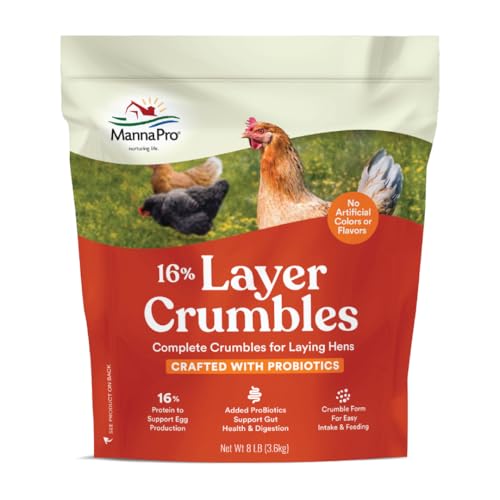
COMPLETE CHICKEN FEED FOR LAYING HENS: Manna Pro Chicken Feed delivers complete nutrition designed for laying hens, supporting strong egg production, healthy feathers, and overall wellness; balanced formula helps maintain optimal health in backyard flocks

Boosts Egg Production & Stronger Eggshells: 16% protein layer pellets formulated to support consistent egg laying, improved yolk quality, and stronger shells for reliable daily production
Australorp: Balancing Performance With Hardiness
While sex-linked hybrids prioritize maximized output through engineered genetics, Australorps offer a different calculus: sustained productivity paired with genuine hardiness and behavioral reliability. You’ll find these Australian-developed birds deliver 200-250 eggs annually without artificial lighting, with documented records reaching 309.5 eggs per hen yearly. Their prolific output rivals that of many other top-tier egg-laying breeds. Additionally, implementing a PVC chicken waterer system can further ensure they have access to fresh water for optimal egg-laying.
These hens showcase excellent laying rates, often starting to produce eggs between 16 to 22 weeks of age, similar to other prolific layers like ISA Browns. Their breeding strategies emphasize dual-purpose utility rather than show aesthetics, maintaining consistent performance across generations. Australorps reach point of lay at 20-22 weeks and continue laying through winter with only slight seasonal drops. The breed was officially recognized in the American Poultry Association Standard of Perfection in 1929, establishing them as a distinct and valued lineage. Additionally, like Rhode Island Reds, these hardy birds exhibit a resilient disposition that allows them to thrive in various environments. Balanced nutrition is also key to ensuring optimal egg production and overall health.
Their adaptability traits prove invaluable for backyard operations. They’re cold-climate performers, excellent foragers, and reliable broodies. You can expect 6-10 year lifespans with proper care. These docile, low-flight birds suit confinement poorly—they thrive free-ranging—making them ideal for sustainable, diversified homestead systems prioritizing longevity alongside productivity.
Rhode Island Red: Versatile Layers With Proven Track Records
American heritage meets modern utility in the Rhode Island Red—a breed that’s earned its place as one of the most reliable brown egg layers available today. You’ll appreciate their exceptional performance: 250-300 eggs annually with consistent laying through winter months. These mahogany-red birds weigh 6-8.5 pounds and reach laying onset by 20 weeks under ideal nutrition. Additionally, they are known for their high egg production capability, making them a favorite among both hobbyists and commercial producers. It’s important to understand their behavior patterns, as they often return to the coop by sundown when coaxed properly.
Their temperament traits make them beginner-friendly despite occasional aggressiveness toward docile companions. You’ll find them heat and cold hardy, though infrequent broodiness reflects their egg-production focus. Interestingly, they share traits with the Barred Rock chickens, which also produce approximately 200 to 250 eggs annually. Disease management requires vigilance against mites and lice, which commonly afflict the breed. Rhode Island Reds require four square feet per bird in the coop to minimize aggressive behaviors and pecking order conflicts. As a dual-purpose option, Rhode Island Reds deliver both productivity and meat quality, justifying their $4.50 chick cost through proven performance.
Egg Size, Color, and Market Demand Considerations
When you’re selecting a breed for your operation, egg size and shell color shouldn’t be afterthoughts—they’re critical factors that directly influence market positioning and profitability. Commercial hybrids like ISA Brown and Lohmann Brown consistently produce large eggs that meet retail sizing standards, while White Leghorns dominate white-egg markets favored by processors. Specialty breeds—Ameraucanas for blue/green shells, Marans for dark brown—command premium pricing in direct-to-consumer channels despite identical nutritional profiles to standard eggs. Notably, chicken cross breeds have been bred not only for their egg-laying capabilities but also for their adaptability and temperament, making them ideal for backyard settings. Your egg color choice shapes consumer preferences greatly; brown and colored eggs trigger “farm-fresh” perception, justifying higher margins at farmers markets. Conversely, uniform large white eggs serve foodservice efficiently. Selective breeding has created distinct classes of chickens optimized for specific egg characteristics and production volumes. Notably, breeds like Easter Eggers yield a variety of egg colors, allowing for an expanded market appeal; for example, Araucanas are known for their unique egg colors and friendly nature. Align breed selection with your target market: prioritize consistency for retail, differentiation for niche consumers.
Onset of Lay and Long-Term Productivity Cycles
Because breed maturity directly impacts your operation’s cash flow timing and sustained returns, understanding when hens reach peak productivity—and how long they’ll maintain it—is essential to profitability.
You’ll find lay maturity varies considerably across breeds. White Leghorns and hybrids like ISA Browns reach laying maturity around 14-19 weeks, while Rhode Island Reds and Golden Comets start later, at 20-24 weeks. Early-maturing breeds generate revenue sooner, reducing initial feed costs before egg production begins. Additionally, providing nutritional support through ingredients like alfalfa can promote healthier growth and egg production. Moreover, selecting the right commercial feeds that cater to a breed’s specific needs is crucial for optimal health and productivity. Proper daily care routines also play a crucial role in ensuring each breed reaches its full potential. Notably, breeds like White Leghorns are prized for their prolific laying capabilities, often achieving higher annual egg production. Buff Orpingtons are particularly appreciated as they continue to lay well during cold winter months, ensuring a steady supply of eggs even in harsh conditions.
Production longevity differs equally. Hybrids maintain 300+ eggs yearly across 2-3 cycles, while commercial strains typically peak in year one before declining after 72 weeks. Heritage breeds like Rhode Island Reds sustain 4-5 eggs weekly over multiple years. Seasonal conditions impact egg-laying habits with peaks in spring and summer, requiring strategic planning around annual production cycles. Matching breed characteristics to your timeline—whether you prioritize quick returns or long-term consistency—directly determines your economic outcomes.
Feed Efficiency and Housing Requirements by Breed
While breed maturity and laying longevity shape your operation’s revenue timeline, the day-to-day costs that determine actual profitability hinge on feed efficiency and appropriate housing. You’ll find that cage systems consistently outperform deep litter setups, reducing feed consumption by measurable margins. White Leghorns and Hy-Line W-80s demonstrate superior feed efficiency, converting feed to eggs at rates surpassing commercial standards. Lohmann Browns and Rhode Island Reds maintain reliable conversion efficiency across various housing systems. Your choice of housing systems greatly impacts performance—cage operations achieve excellent conversion ratios around 1.90 feed per dozen eggs, while poor hygiene practices increase consumption up to 7%. Feed costs constitute 60-70% of total production costs, making feed efficiency optimization essential for maintaining operational profitability. Matching breed selection with appropriate housing systems maximizes your feed efficiency gains and operational profitability.

Pre-Assembled, Easy Installation: Pre-assembled line saves setup time. Insert the filter gasket into the fitting, then connect it to your faucet or garden hose. Secure it along rafters or fencing with the included cable ties or tube clamps. No special tools required

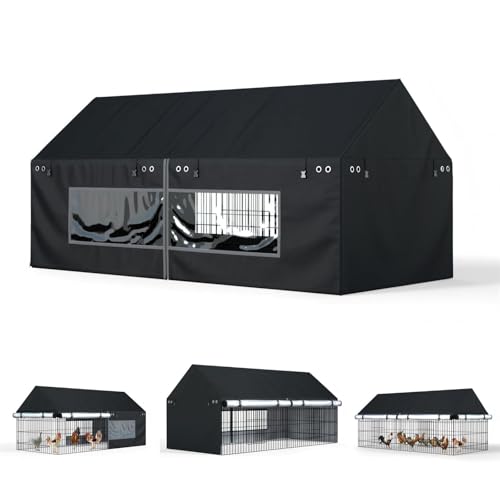
CUSTOM COVER DESIGN - MEASURE YOUR COOP FIRST: Designed for an 86"L 40"W 40"H coop (coop frame sold separately). Verify your dimensions before ordering to ensure a proper fit and maximize protection for your flock's home
Selecting the Right Breed for Your Production Goals
Your production objectives should drive breed selection, as the gap between high-output hybrids and heritage lines greatly impacts both immediate returns and long-term sustainability. If you’re prioritizing maximum volume, ISA Browns and Leghorns deliver 300+ eggs annually, making them ideal for commercial-scale operations. However, you’ll face production tradeoffs: these hybrids decline markedly after three years, requiring regular replacement. To keep your hens healthy and active, consider providing them with engaging DIY toys that can reduce stress and enhance their overall wellbeing. Additionally, breeds such as the Barnvelder and Orpingtons offer excellent broody behavior, which can be beneficial for natural flock expansion. The Golden Comet and Black Star hybrids may also be worth considering for their consistent production of brown eggs. Moreover, being aware of chicken predators can help you take necessary precautions to protect your flock from potential threats.
For sustained productivity, heritage breeds like Australorps and Plymouth Rocks offer 250-300 eggs yearly with extended laying lifespans. Rhode Island Reds specifically start laying eggs around 5 to 6 months, so planning your flock acquisition timeline accordingly will help optimize your production schedule. Match egg color preferences to your market: Leghorns produce white eggs, Rhode Island Reds brown eggs. Ultimately, balancing immediate yield against longevity and resilience determines your most economical choice.
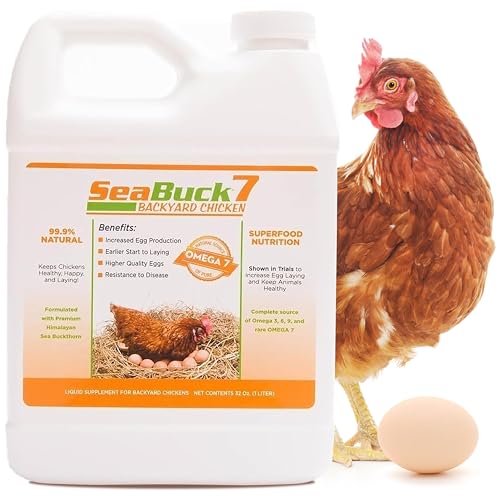
BOOST EGG PRODUCTION – SeaBuck 7 Backyard Chicken (BYC) increases egg production by 50-100%, resulting in larger, harder-shelled, and better-tasting eggs. With SeaBuck 7, you can reduce your chickens and maintain the same egg quantity or increase egg supply for sale & share with neighbors.

High Calcium Chicken Grubs: Compared to traditional dried mealworms, our BSFL dry powder insect feed boasts 85x calcium. This high calcium content enhances eggshell strength and promotes bone health in your hens, ensuring they lay sturdy eggs. Perfect for supporting robust egg production and overall poultry well-being.

Encourages Hens To Lay Eggs In Nesting Box --- When a broody hen sees other eggs, she identifies that area as an ideal place to lay her own eggs. Place these SunGrow Wooden chicken eggs inside the nesting box to encourage hens to lay eggs in a clear, cozy area instead of on the ground or chicken coop floor.