You can safely feed your chickens Ceylon cinnamon, which contains lower coumarin levels than Cassia varieties. Limit supplementation to 2–3 times weekly, using age-appropriate dosages: 1/4 teaspoon for chicks, 1/2 teaspoon for growing birds, and up to 1 teaspoon for adults. Cinnamon enhances feed conversion, supports gut health through antimicrobial compounds like cinnamaldehyde, and boosts your flock’s natural defenses. Monitor for adverse reactions during the 7–10 day introduction period. Understanding the specifics of implementation will optimize your cinnamon supplementation strategy.
Safety Profile and Potential Risks
While cinnamon isn’t inherently toxic to chickens, you’ll need to understand several safety considerations before adding it to their diet. The primary concern involves coumarin toxicity, a compound present in cinnamon that can damage your hens’ livers at excessive doses. You should prioritize Ceylon cinnamon, which contains considerably lower coumarin levels than Cassia varieties. Before purchasing, verify your labels confirm the Ceylon variety to guarantee you’re selecting the safer option. Cassia cinnamon poses greater risk due to elevated coumarin content and shouldn’t be your first choice. Limit supplementation to 2-3 times weekly maximum, as daily consumption increases toxicity risks. Research shows that commercial poultry farms use cinnamon for immune support when administered at proper dosages. Additionally, providing a balanced diet with nutritional formulations is crucial for supporting your chickens’ overall health and wellbeing. It’s essential to also ensure that your chickens are free from mite infestations, as these can lead to stress and health issues, further complicating their dietary needs. Monitor your flock for adverse reactions including decreased appetite, diarrhea, or lethargy, which indicate you should discontinue use immediately.

Premium Quality Pure Ceylon Cinnamon Powder – USDA Organic certified, Ceylon cinnamon with rich aroma and authentic taste. Suitable for vegan diets, made with no added sugar, no preservatives, and no artificial ingredients. Securely ceylon cinnamon packed in craft paper bags for lasting freshness.

2.08 ounces; Glass bottle

OUTSTANDING VALUE / 5 MONTH SUPPLY: Our Certified Organic Cinnamon Extract contains 150 capsules per bottle, is made from a potent 20:1 extract AND is Certified USDA Organic – an amazing value! A single bottle contains a 5 month supply. Compare this to other leading brands that require 2 capsules per serving, contain less than 150 capsules, are not organic, and use a much less potent, non-extract powder. Our Certified Organic Cinnamon Extract is a bargain not be found elsewhere!
Nutritional Benefits for Chicken Health
Because cinnamon contains bioactive compounds like cinnamaldehyde, eugenol, and various polyphenols, it can meaningfully enhance your flock’s health through multiple physiological mechanisms. Different cinnamon types deliver comparable antioxidant benefits that reduce oxidative stress in poultry tissues, protecting immune cells from cellular damage. You’ll observe improved nutrient absorption when supplementing, as cinnamon stimulates digestive enzyme secretion and increases intestinal villus height—resulting in better feed conversion ratios and body weight gains. Additionally, ensuring your hens receive adequate artificial light exposure during winter months can further support their overall health and productivity. Providing a well-balanced diet that includes high-protein layer feed alongside cinnamon contributes to optimal health outcomes. The phenolic compounds modulate gut microbiota composition, promoting beneficial Lactobacillus species while suppressing pathogens like E. coli. Offering cinnamon alongside other treats like cabbage can be an excellent way to incorporate cinnamon into your flock’s diet. Additionally, incorporating oregano’s immune-boosting properties into their regimen can further enhance their overall health. These combined effects strengthen your birds’ disease resistance and resilience during heat stress or environmental challenges, making cinnamon supplementation a scientifically-supported dietary addition for optimizing flock performance. True cinnamon varieties demonstrate superior safety profiles due to their lower coumarin content, allowing for more consistent long-term supplementation without risking liver damage or decreased feed intake.
Recommended Dosage Guidelines
Understanding cinnamon’s bioactive benefits doesn’t guarantee best results—you’ll need to administer it correctly to maximize health outcomes while minimizing risk. Your dosage measurement depends on chicken age and purpose: chicks receive 1/4 teaspoon daily, growing birds get 1/2 teaspoon, and adults tolerate 1 teaspoon maximum. You’ll never exceed 1/2 teaspoon per serving regardless of age. Additionally, some dog breeds like the Great Pyrenees have been shown to be effective at protecting livestock, including poultry, promoting a safer environment for your chickens.
In addition, ensuring proper biosecurity practices can help minimize stress among your flock, which is vital for their overall health. Providing grit for digestion is essential, especially when mixing cinnamon into their diet, as it aids in breaking down food effectively. For feeding methods, you can mix ground cinnamon directly into feed at 1/2–1 teaspoon per pound, or blend 1 tablespoon into every 10-pound bag. Alternatively, you’ll sprinkle 1/2 teaspoon over one cup of treats. You should limit supplementation to 2–3 times weekly, introducing it gradually over 7–10 days. Cinnamon acts as a natural immune booster to combat infections and respiratory issues in your flock. Choose Ceylon cinnamon exclusively to avoid coumarin accumulation from Cassia varieties. Discontinue immediately if digestive upset occurs.

Customer satisfaction is our priority. If you are not completely satisfied with your purchase, please contact us and we will do our best to make it right.

CEYLON CINNAMON: A premium source of Cinnamon derived from the inner bark of an Evergreen Tree

Ceylon Cinnamon Organic (Cinnamomum Verum) - 7oz/200g Resealable Bag of Ceylon Cinnamon Organic Ground Powder. Organic Cinnamon Powder Ceylon has a Milder Taste and Aroma than Cassia Cinnamon.
Antimicrobial and Disease Prevention Properties
Cinnamon’s antimicrobial arsenal addresses multiple disease pathways that threaten flock health. Cinnamaldehyde, cinnamon’s primary bioactive compound, delivers strong antibacterial effectiveness against E. coli, Salmonella Enteritidis, and Campylobacter jejuni—pathogens commonly isolated from poultry. You’ll find that essential oil formulations outperform crude powder preparations, disrupting bacterial cell membranes and inhibiting biofilm formation on tissues and processing surfaces. The effectiveness of cinnamon in promoting overall flock health may also positively influence factors such as feather condition, reducing the likelihood of feather loss associated with stress and nutritional deficiencies. Moreover, incorporating cinnamon can help prevent sour crop through its antifungal properties, offering an additional layer of protection against yeast infections in chickens. Additionally, these herbal solutions can support immunity by boosting natural defenses, further enhancing poultry health. Notably, herbs like oregano have also been shown to maintain a healthy flock without antibiotics. The nutritional benefits of a balanced diet, including appropriate feed composition, play a crucial role in conjunction with cinnamon’s effects on overall flock health.
The antifungal properties prove equally valuable. Cinnamon oil suppresses feed-contaminating fungi and potentially mitigates aflatoxin effects in experimental models. Volatile phenolics like eugenol drive this efficacy, though consistent field-level mycotoxin reduction remains limited to laboratory studies. These antimicrobial compounds also work synergistically to enhance the overall disease resistance of poultry flocks.
When you incorporate cinnamon at appropriate dosages, you’re leveraging dose-dependent bactericidal effects while reducing pre-caecal pathogen counts in vivo.
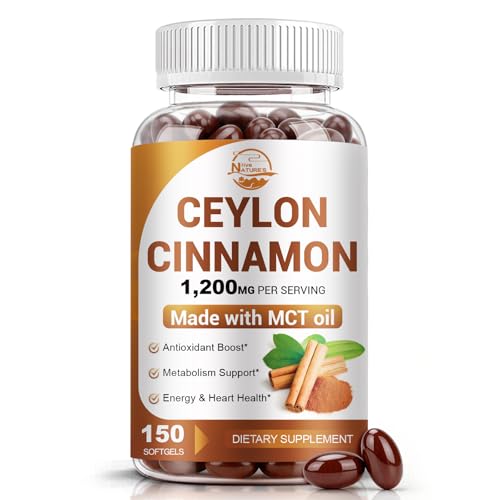
【Highly Bioavailable Ceylon Cinnamon Softgels】Our ceylon cinnamon supplement delivers 1200MG of pure organic ceylon cinnamon per serving; infused with healthy MCT oil from coconut, designed to enhance absorption and overall antioxidant benefits

METABOLISM SUPPORT: Nature's Bounty Cinnamon Herbal Supplements provide the benefits of cinnamon in an easy, convenient capsule. Traditionally used to support the metabolism of fat and sugar, our Cinnamon supplements provide 1000mg of cinnamon per 2 capsules (1)

Formulated with Ceylon Cinnamon Extract (Cinnamomum verum). Sourced from the inner bark and delivered in a liquid softgel made with MCT oil from coconut.
Immune System and Gut Health Enhancement
Beyond cinnamon’s direct antimicrobial effects, you’ll find that it reshapes your flock’s internal microbial landscape and strengthens the physiological systems defending against infection. Cinnamon benefits extend to immune organ development—supplementation increases relative spleen, thymus, and bursa weights while elevating plasma IgM content. Simultaneously, you’ll observe gut microbiota enhancement as cinnamon stimulates digestive enzyme secretion from intestinal mucosa and the pancreas. This dual mechanism optimizes nutrient absorption and intestinal morphology. The bioactive compounds promote *Lactobacillus* proliferation in the ileum and cecum while suppressing pathogenic populations. Interestingly, these health benefits can be especially advantageous for breeds like Copper Black Marans, which are known for their unique features and docile temperament. By stabilizing your flock’s microbial ecosystem and enhancing enzyme activity, cinnamon delivers extensive gut health support—positioning itself as a viable antibiotic growth promoter alternative. Additionally, cinnamon can act as a natural antimicrobial agent, helping to further protect your chickens from harmful pathogens. Furthermore, the balanced gut pH and improved nutrient absorption seen with cinnamon use can boost immune function, contributing to overall chicken health. Ensuring that your chickens receive a proper diet, including access to complete layer feeds, is essential for maximizing their health and egg production.
Scientific Research and Performance Outcomes
While the immunological and gut-health benefits of cinnamon supplementation offer compelling theoretical advantages, your flock’s practical performance metrics—growth rate, feed efficiency, and carcass quality—ultimately determine whether cinnamon delivers measurable returns on investment. Research demonstrates dose-dependent effects: moderate inclusions (2–4 g/kg) consistently improve feed conversion ratios and live weight gain, whereas higher doses paradoxically increase feed intake without proportional weight gains. In addition, studies on other poultry, such as Silkie chickens, indicate that nutritional supplements can enhance overall health and productivity. Furthermore, the inclusion of natural compounds, such as carvacrol, in chicken diets can synergistically support gut health and immune function. Additionally, offering high-protein treats like dried mealworms may further support the overall well-being of your flock, particularly when using fermented feed to boost nutrient absorption. Performance variability across trials reflects differences in cinnamon form, broiler strain, and study duration. Essential oil preparations with standardized cinnamaldehyde content produce more reliable improvements than raw powder. Carcass traits—including reduced abdominal fat, improved meat tenderness, and higher dressing percentages—support lean growth profiles at optimized dosages. A study using 100g cinnamon powder in broiler feed over 30 days achieved the highest live weight outcomes and demonstrated the dose-optimization principle across controlled conditions. Economic analyses reveal potential 64% return-on-investment gains when supplementation conditions align precisely with your production system parameters.
Practical Implementation in Chicken Diets
Translating cinnamon’s documented benefits into your flock’s daily regimen requires precise attention to dosage, delivery method, and bird demographics—variables that directly determine whether you’ll achieve the performance gains outlined in research or inadvertently compromise feed intake and bird health. Brahma chickens, known for their gentle temperament, can benefit from careful dietary supplementation. Disturbing fire ant mounds near the coop could lead to health risks for your flock.
Your practical applications depend on supplement types: ground powder mixed thoroughly into feed remains most reliable for consistent dosing, while water delivery introduces palatability and stability risks. For laying hens, limit supplementation to 1–2 g per bird, 2–3 times weekly, using Ceylon cinnamon to minimize coumarin exposure. Scale doses downward for growing pullets; delay supplementation in chicks under 8 weeks. Monitor droppings consistency and feed intake closely. Research demonstrates that 4-8 g/kg diet results in higher lymphocyte ratios, supporting immune function across various flock ages and production stages. Discontinue immediately if you observe digestive upset or reduced consumption, signaling potential adverse effects requiring veterinary evaluation.