You’ll need to invest around $1,900 initially for setup, then budget roughly $35 monthly for feed and care. Design your coop with four square feet per bird inside and eight in the run, ensuring proper ventilation and nesting boxes. Feed high-quality layer pellets at 16-18% protein, provide unlimited fresh water, and rotate your flock through garden paddocks to control pests naturally. This integrated approach transforms your garden into a self-sufficient ecosystem while converting kitchen scraps into eggs and nutrient-rich compost. Understanding these fundamentals sets the foundation for maximizing your backyard flock’s potential.
Initial Investment and Setup Requirements
Before you bring home your first flock, you’ll need to understand the financial commitment involved in raising backyard chickens. Your cost breakdown depends heavily on your startup options and available resources.
If you’re budget-conscious, you can establish a basic setup for as little as $260 using repurposed supplies. However, expect to invest $800–$2,000 for a more extensive starter flock of four hens, including chicks, fencing, and feeders. First-year costs typically reach $1,900 when accounting for setup and annual supplies. Beyond the first year, your monthly costs drop to approximately $35, making the long-term investment significantly more manageable. On average, a flock of six chickens will consume about 1.75 lbs per week of feed.
You’ll face immediate expenses: day-old chicks cost $3–$30 each, while full-grown starter hens run $20–$50 per bird. Essential equipment includes feeders ($4–$70), waterers ($6–$35), bedding ($120 annually), and a heat lamp ($13–$75). Budget an additional $100–$200 yearly for veterinary care and parasite prevention.

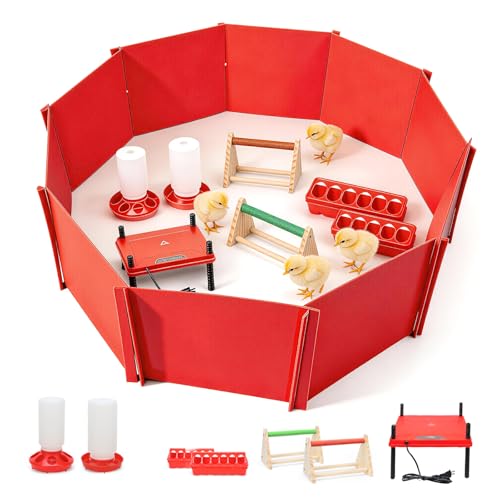
All-in-One Chick Brooder Kit:No more piecing things together!This baby chicken cage includes:a foldable octagonal brooding pen,a chicken feeder and waterer set,2 wooden chick perch,and a chicken heat plate.The moisture-resistant PVC pen keeps out wind,prevents escapes,and protects against predators,making it ideal for chicks,ducklings,quails,and more.From day one at home to the sixth week when they move to the outdoor coop,this all-in-one set covers all your brooding needs
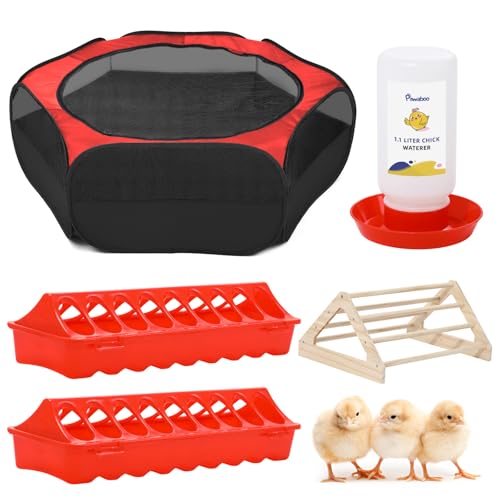
【5-In-1 Chicks Starter Kit】 Chicken brooder box set for chicks, suitable for starter to feed chick at home. Package content: 1*Chick brooder box, 1*chicks perch, 2*18 holes feeder, 1*water feeder, 1*chick feeding instruction manual.
Designing the Perfect Coop and Run
Once you’ve budgeted for your flock, you’ll want to focus on creating a safe, comfortable home that protects your chickens from predators while giving them room to thrive. Start with appropriate coop size—minimum four square feet per bird—and run design requiring eight square feet per chicken. The recommended space is 12 to 16 square feet of indoor coop space for medium-sized breeds, which translates to roughly 3 to 4 square feet per hen. Your structural stability depends on sturdy framing: 6″x6″ corner posts sunk two feet deep, 2″x8″ bases, and 2″x6″ tops. Choose flooring materials carefully; dirt floors need hardware cloth buried 12-18 inches, while wood or concrete offer durability. Interior features include roosts thirty inches high, nesting boxes raised eighteen inches, and hanging feeders and waterers. It’s also important to provide one nesting box for every 4 to 5 hens to ensure comfort. Strategic placement near your home, such as positioning the coop close to a two-story structure, can block wind and rain while providing weather protection. Verify proper ventilation through cupolas and eave vents, and install access points like pop doors and windows for functionality and predator protection.
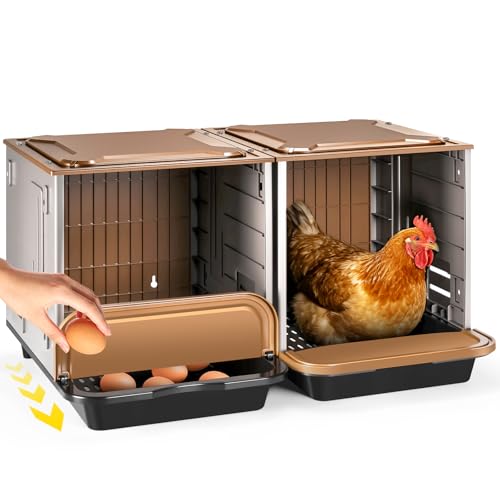

SUSTAINABLY SOURCED: The aspen used for our nest box pads are sourced only from forest product companies that are members of the Sustainable Forestry Initiative program.

Nesting Pads for Laying Hens: Made from sustainably harvested aspen excelsior, these nesting pads give your laying hens a soft, comfortable place to nest and lay their eggs
Predator-Proofing Your Chicken Setup
No matter how well you’ve built your coop, predators won’t hesitate to exploit even the smallest weakness—which is why a multi-layered defense strategy is crucial.
Start with perimeter barriers by burying 1/4″ hardware cloth 12–18″ around your setup to stop diggers like foxes and raccoons. For aerial protection, install overhead netting or hardware-cloth roofing to block raptors, adding reflective deterrents and motion-activated lights during peak hunting hours. Ensure no gaps between fencing and roof to maintain maximum security coverage. It’s also important to secure your coop with strong materials instead of weaker options like chicken wire, which can be easily compromised by various predators. Implementing solid construction methods helps fortify your coop against invasions.
Secure access points with two-step latches and 1/4″ hardware cloth on all doors and windows. Automate coop doors to guarantee consistent nighttime closure, eliminating human error.
Layer these passive defenses with active deterrents like electric fencing, motion-activated sprinklers, or guardian animals. This redundant approach considerably reduces predator success, keeping your flock safe around the clock.
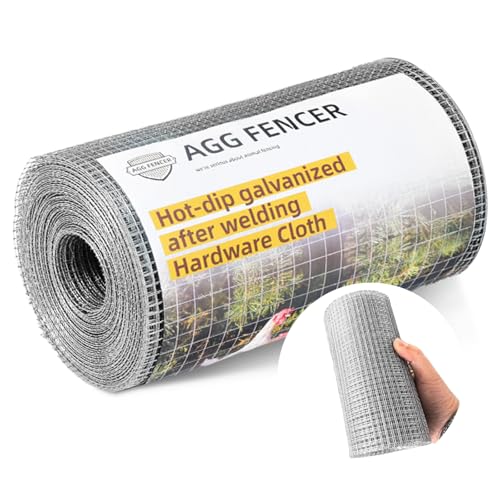
Product details: The length of this hardware cloth is 8 inches/ 20.32cm, the width is 25ft/ 7.62m, and the hole size is 1/4 x 1/4inch. It is very suitable for repairing damaged chicken coops, gaps under houses and other small-sized damaged holes

Size Specification: 2 sheets wire mesh, the size of each piece is 13.7 x 40 inches, wire diameter 0.52 mm

Product Details: ArdeFentium 8in x 25ft hardware cloth chicken wire roll with 1/4 inch square openings and 23 gauge steel wire is ideal for small animal barriers and chicken fence projects. This 1/4 inch wire mesh is perfect for repairing damaged areas, adding extra protection to existing garden fencing, coop doors and fence bottoms.
Brooding and Raising Healthy Chicks
Because you’ve secured your coop against predators, you’re now ready to focus on what happens inside: raising strong, healthy chicks from day one. Start with proper brooder temperature management—maintain 95°F at chick level during week one, then reduce by 5°F weekly until they’re fully feathered. Provide adequate space: 6 square inches per chick initially, increasing as they grow to prevent crowding and stress.
Select quality chick feed options with 18–22% protein, offering continuous access through multiple low-profile feeders. It’s important to choose commercial feeds that meet the nutritional needs of your chicks for optimal growth. Guarantee fresh water’s always available using chick-specific waterers. Use bedding materials like large flake pine shavings or hemp to provide traction, absorb moisture, and maintain warmth throughout the brooding period. Additionally, be mindful of the cost to raise your birds, as this will influence your pricing strategy later when selling mature broiler chickens. Offering high-protein chick starter feed ensures optimal growth during these critical early weeks. Including homemade chicken treats in their diet can also enhance their nutrition and well-being.
Polish Top Hat chickens, known for their distinctive crests, may require slightly different precautions due to their limited vision.
Daily chick health monitoring is essential—observe activity, droppings, breathing, and posture for early problem detection. Consider vaccination choices based on your source and local recommendations, particularly for Marek’s and coccidiosis.
Feeding and Watering Your Flock
As your chicks mature and graduate from starter feed, you’ll need to alter your feeding strategy to support their changing nutritional needs. Shift to layer feed at 18 weeks, providing uniform pellets that prevent selective eating and guarantee proper nutrition. Establish consistent feeding schedules, offering feed 2-4 times daily in small amounts or using automatic feeders. Position feeders at mid-breast height to manage flock dynamics and prevent bullying among lower-ranking birds. Additionally, ensuring your feed is formulated with balanced nutrition is crucial for the overall health and productivity of your flock. To keep your hens hydrated, consider using an automatic waterer system that ensures fresh water is always available.
Provide unlimited fresh water access—your hens require 10 ounces daily per egg produced. Quality layer feed should contain 16-18% protein and essential nutrients to support optimal egg production and hen health. Clean feeders regularly with vinegar-water solution.
Limit treats to 10% of daily intake, restricting scratch to 2 teaspoons per bird. Remove feeders overnight to deter rodents. Multiple feeders guarantee all birds access proper nutrition while supporting healthy feeding behavior across your flock.
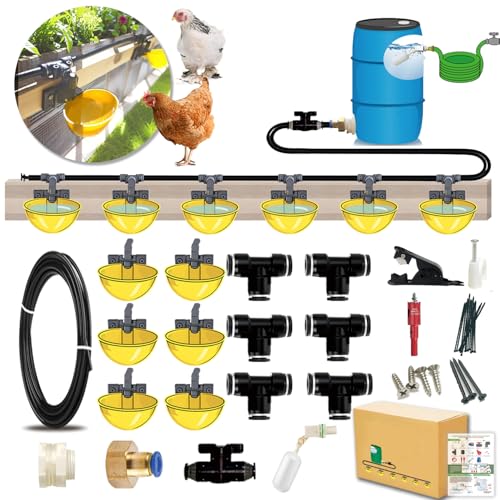
【The simplest and fastest installation healthy chicken water system】The 2025 New-Type Pipeline Automatic chicken Water System. Just insert the water pipe into the quick-connector, it will be automatically locked, preventing leaks without the need for glue. It can be installed as easily as LEGO, simplicity, speed, and diverse water line configurations. It uses the same pipes and connectors as water purifiers and coffee machines, making it the healthiest water system available. U.S. invention patent #US71****82**

Automatic Chicken Watering System with Chicken Vegetable Hanging Feeder:Includes 8 Pcs chicken waterer cups, chicken vegetable hanging feeder and metal hook and other accessories. Not Crowded and Messy with the chicken coop(No Included Bucket)

【Save Your Time and Effort】Our chicken waterer system connects directly to your tap water pipeline, providing a continuous supply of clean water to your poultry. This means your chickens will be well cared for even if you are away on long trips, significantly reducing the time and effort required for daily maintenance.
Integrating Chickens Into Your Garden
Your garden and chicken flock can work in tandem when you thoughtfully design your space to support both. Achieve garden harmony through rotational zoning—dividing your garden into paddocks and moving your coop every one to seven days. This practice reduces overgrazing, spreads manure evenly, and prevents soil compaction. In addition, integrating chickens like Silkie chickens into your garden can enhance pest management, as they naturally forage for insects and larvae. It’s important to note that while chickens contribute to pest control, broiler chickens are primarily raised for meat rather than egg production. However, it is essential to remember that chickens are not reliable snake predators, so additional measures may be necessary to keep snakes away from your garden. Additionally, planting fast-growing greens like clover can provide your chickens with fresh forage and improve soil quality.
Furthermore, ensuring you have a mix of hens and cockerels can help balance the benefits of egg production and natural foraging behavior in your garden system.
Position your coop near less-sensitive areas like orchards while protecting vulnerable seedlings with physical barriers such as row covers or wire arches. Time chicken access to your crop calendar, allowing foraging after harvest or during dormancy. Match your chicken integration schedule to vegetation recovery periods, enabling pathogen die-off and regrowth between rotations. Ensuring constant access to shade during these rotation periods maintains chicken health and productivity.
This strategic approach maximizes pest control and natural fertility while minimizing garden damage.
Creating a Composting System With Your Chickens
Chickens and compost aren’t just compatible—they’re natural partners that’ll dramatically improve your soil health while reducing waste. You’ll want to build a dedicated compost bay design featuring three stages: raw, active, and curing. Position your bays downwind from produce beds and secure them with hardware cloth to prevent rodents. To maintain a cleaner environment, consider applying barn lime periodically which can help reduce odors and kill pathogens present in the bedding. Providing adequate social interaction is also essential for the well-being of your chickens, as they thrive in social environments. Your carbon nitrogen balance should target 25–30:1 by mixing chicken manure with straw, leaves, or woodchips. Allow chickens to scratch and turn raw material in the first bay while maintaining proper moisture levels. Rotate access weekly between bays so one pile heats while chickens work another. This system transforms bedding and manure into nutrient-rich compost while your flock naturally aerates the pile. Conducting daily temperature checks ensures your compost reaches the ideal thermophilic range for efficient breakdown.

Effortless Recycling: Revolutionize your kitchen with KIBAGAs’ countertop compost bin, designed for recycling food & other organic waste. Seamlessly support eco-consciousness and contribute to nutrient-rich soil for plants, while fostering a clean kitchen space


Effortless Recycling: Revolutionize your kitchen with KIBAGAs’ countertop compost bin, designed for recycling food & other organic waste. Seamlessly support eco-consciousness and contribute to nutrient-rich soil for plants, while fostering a clean kitchen space
Free-Ranging and Supervised Garden Access
Once your composting system’s running smoothly, you’ll find that freeing your chickens to roam beyond the coop opens entirely new possibilities—and challenges. Free ranging benefits include natural foraging that cuts feed costs by 50% during summer and organic pest control through insect consumption. Your flock enjoys increased exercise, stronger immune systems, and reduced aggression from mental stimulation.
However, supervised access requires careful consideration. While monitoring your birds during daytime reduces predator risks, it doesn’t eliminate them entirely. You’ll need to protect your gardens with sturdy fencing and enforce return routines to prevent escapes. Rotational grazing minimizes repeated damage while providing fresh forage. Limited free-ranging restricts your chickens’ roaming time to manage distances from the coop and encourage natural return behavior at dusk.
Assess your risk tolerance honestly before deciding. Lock chickens up when absent, and combine supervised access with livestock guard dogs for maximum protection. This balanced approach lets you capture free ranging benefits while maintaining garden integrity.
Seasonal Maintenance and Winterization
As temperatures drop and daylight wanes, winterizing your coop becomes essential to keep your flock healthy and comfortable through harsh months. Begin with seasonal checkups to identify drafts and structural weaknesses. Implement insulation techniques using styrofoam panels and deep bedding layers—hemp or pine shavings work excellently for composting warmth. The deep litter method is an excellent option for providing additional insulation through the composting process. Adjust ventilation by sealing lower gaps while maintaining high openings to prevent moisture buildup without creating drafts. Additionally, ensuring chickens have constant access to unfrozen water is crucial during winter months to promote hydration and comfort. It’s also wise to consider potential diseases like infectious coryza, which can be exacerbated by cold stress.
To further support egg production, providing supplemental light can help ensure hens receive adequate daylight during winter months.
For water management, install heated bowls or wrap heat tape around systems. Upgrade your shelter strategies by adding wind blocks on north and west sides using tarps and plastic sheeting. Select appropriate bedding choices and maintain weekly stirring to control moisture and promote pest prevention. Furthermore, experts note chickens may tolerate inside coop temperatures down to -20°F if well managed, but supplemental heat is recommended if coop temps fall below 35°F. Good ventilation is essential year-round, particularly in winter, as it reduces ammonia fumes that can cause respiratory issues in your flock.
These coop upgrades protect your chickens from frostbite and illness while ensuring winter productivity.
Maximizing Garden Benefits From Your Backyard Flock
Beyond protecting your flock through winter, your chickens offer year-round advantages that extend throughout your garden and household. You’ll maximize garden integration by selecting chicken varieties suited to your climate and space—dual-purpose breeds provide both eggs and pest control. Position your coop strategically to allow foraging across garden beds, where they’ll naturally control insects and aerate soil through scratching. Additionally, treating your chickens with Corid for coccidiosis can help maintain their health, ensuring they are effective in their garden roles. Chickens are capable of recognizing over 100 faces, which aids in their social dynamics and enhances the overall health of your flock. It’s important to note that adult chickens may exhibit pecking order behavior towards baby chicks as they establish their social hierarchy. Collect their nitrogen-rich manure for composting, creating superior fertilizer that enriches your garden without synthetic chemicals. Additionally, providing your flock with a balanced diet that includes complete layer feed ensures they maintain consistent egg production year-round. Offering your chickens nutritious treats like berries in moderation can also support their health and enhance their activity in the garden. Your flock diverts 150–200 kilograms of annual food scraps, converting kitchen waste into eggs and nutrient-dense compost. This closed-loop system reduces landfill contributions while establishing sustainable productivity. The properly composted chicken manure serves as an effective natural fertilizer, replenishing soil nutrients and supporting sustainable gardening practices. With proper garden integration, you’re creating a self-sufficient ecosystem where chickens transform household and garden waste into valuable resources.