Your backyard chickens aren’t ordinary birds—they’re living descendants of theropod dinosaurs with pneumatized bones and advanced cognitive abilities. A single hen produces 250-300 eggs annually, providing substantial protein and micronutrients while establishing complex social hierarchies within your flock. Pasture-raised eggs contain considerably more omega-3 fatty acids and vitamin D than confined alternatives. Their nutrient-rich manure transforms garden soil while offsetting feed costs within 2.5 years. These remarkable creatures balance evolutionary significance with practical benefits that extend far beyond your coop.
One Hen Can Feed One Person for a Year
A single laying hen won’t fully feed one person for a year, but it’ll make a substantial contribution to their nutrition. Your average commercial hen produces roughly 250–300 eggs annually, delivering approximately 1,500–2,100 grams of protein. Each egg supplies about 6–7 grams of protein plus essential micronutrients like vitamin B12 and choline that support cognitive and metabolic function. Interestingly, many high-producing breeds can lay up to 250 eggs per year or more, contributing to this significant nutritional output. Additionally, chickens that consume sweet potatoes can enhance their overall health, making them even more productive. Chickens also benefit from nutritious treats such as applesauce, which can provide vitamins and antioxidants.
Those 250–300 eggs provide roughly 17,500–21,000 calories yearly—meaningful but insufficient as your sole caloric source. However, eggs function as a concentrated nutrient supplement, covering material portions of your protein and micronutrient requirements. The actual egg production depends on breed, management, molt cycles, and daylight exposure. According to recent data, the daily rate of lay has increased by 1% as producers continue improving flock health and genetics. Notably, breeds like the Australorp can produce up to 364 eggs per year. Heritage breeds typically yield fewer eggs than commercial hybrids, yet still deliver substantial nutritional benefits throughout the year.
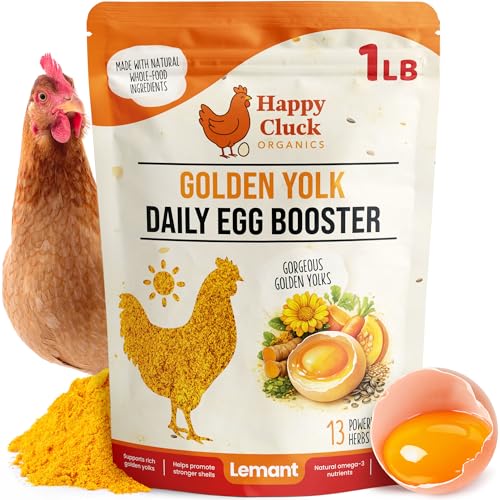
13 WHOLE-FOOD HERBS IN EVERY DAILY SCOOP - This Daily Egg Booster for Chickens packs 13 functional whole-food ingredients into every daily scoop. Each 1 LB pouch blends pumpkin powder, carrot powder, turmeric, milled calendula flowers, stabilized flaxseed, black oil sunflower meal, brewer's yeast, dual-grade calcium carbonate, kelp meal, chili flakes, rosemary extract, and standardized marigold extract into a single premium chicken vitamin and supplement for daily backyard flock nutrition.

Essential Calcium Supplement: Pecking Order Oyster Shell is a rich source of calcium, crucial for the development of strong and sturdy eggshells. Adequate calcium intake helps prevent common issues like thin or brittle shells, ensuring your eggs are consistently high quality.

Boost Egg Nutrition with Omega-3 Eggs – Formulated to enrich eggs with Omega-3 fatty acids for your family’s health, while supporting hen vitality and long-term laying performance.
Chickens Are Living Dinosaurs
While your backyard hen’s eggs provide impressive nutritional density, the bird itself represents something far more extraordinary: a living descendant of theropod dinosaurs. Your chicken retains striking theropod traits that reveal this evolutionary connection. Notice the furcula—that wishbone you’ll find in the carcass—which mirrors skeletal structures in ancient theropods. Your hen’s hollow, pneumatized bones served the same respiratory efficiency function 66 million years ago. Even her scaled legs represent integumentary features theropods possessed alongside feathers. Molecular analyses confirm this relationship; collagen from T. rex femurs shows closer similarity to chicken proteins than to modern reptiles. The Wonderchicken fossil, discovered near the Belgian-Dutch border, represents the oldest identified modern bird from the age of dinosaurs and demonstrates how avian lineages survived the Cretaceous mass extinction. When you observe your backyard flock, you’re witnessing living avian dinosaurs—the only dinosaur lineage surviving the Cretaceous extinction. Interestingly, these chickens can also produce fertile eggs due to their reproductive systems, which reflect evolutionary adaptations over millions of years.
Your Backyard Flock Has a Complex Social Life
Your backyard flock’s pecking order—a dominance hierarchy that establishes who has priority access to food, water, roosting spots, and mates—structures social interactions and reduces constant conflict. This pecking order dynamics system emerges gradually, beginning around one week after hatch and fully establishing by six weeks in stable flocks. Through pecking, chasing, and submissive behaviors, your chickens negotiate their ranks without perpetual fighting. Interestingly, adult chickens may peck at baby chicks as part of their natural pecking order process, which helps determine their social rank within the flock. The social hierarchy interactions you’ll observe include dominant birds maintaining vigilance against predators while accessing resources first, while subordinate birds display submission through crouching, avoiding eye contact, and retreating when approached. Notably, separate hierarchies exist for roosters and hens, with hens consistently deferring to adult roosters regardless of rank. Different breeds, such as Leghorns, are known for their prolific laying capabilities, which can influence dynamics by ensuring more access to resources for those at the top of the pecking order. Once established, this structure remains stable unless you introduce new birds or experience losses that promote lower-ranking individuals upward. Chickens’ social interactions include a reliance on natural light cues for their sleep patterns, contributing to flock cohesion as they prepare for nighttime. Chicks engage in play behavior that contributes to developing these social dynamics and establishing the pecking order early in their lives. Additionally, providing adequate coop space is essential for reducing stress and promoting harmony within the flock, and regular dusting with diatomaceous earth can contribute to their overall health by controlling parasites like mites.
Eggs Taste Better—and May Be More Nutritious—When Chickens Roam Pasture
Because pasture-raised chickens access diverse vegetation and natural sunlight, their eggs contain considerably different nutritional profiles compared to confined birds. Your backyard flock’s pasture benefits directly translate into egg nutrition advantages: twice the omega-3 fatty acids, three to six times more vitamin D, and dramatically reduced omega-6 to omega-3 ratios (6:1 versus 51:1 in conventional eggs).
The nutritional superiority extends across multiple micronutrients. You’ll find 2/3 more vitamin A, 3-7 times more vitamin E and beta-carotene, and considerably higher folate and choline levels. These carotenoids from green vegetation provide superior antioxidant protection. Each pasture-raised hen typically receives at least 108 square feet of space to graze and forage naturally, and incorporating nutritious treats like almonds can further enhance their overall health and egg quality. Additionally, breeds with unique feather structures, such as Silkie chickens, are known for their soft, fluffy appearance, contributing to the aesthetic and quality of the flock. A balanced diet rich in essential amino acids is crucial for the chickens’ overall well-being and contributes to the nutrient density of their eggs. Furthermore, using commercial feeds that are specifically designed to meet their dietary requirements supports optimal growth and egg production. Additionally, providing a complete layer feed formulated with the right balance of nutrients ensures that hens maintain consistent egg production throughout the year.
Two pasture-raised eggs supply 63-126% of your recommended daily vitamin D intake, supporting immune function and bone health. This nutrient density reflects nature’s design—sunlight conversion and forage consumption create measurably superior egg nutrition.

Organic and Natural: Our organic chicken feed is crafted with a carefully balanced mix of high-quality ingredients to support the health of your laying hens. It’s completely corn-free, soy-free, and non-GMO, ensuring your flock gets only the best.
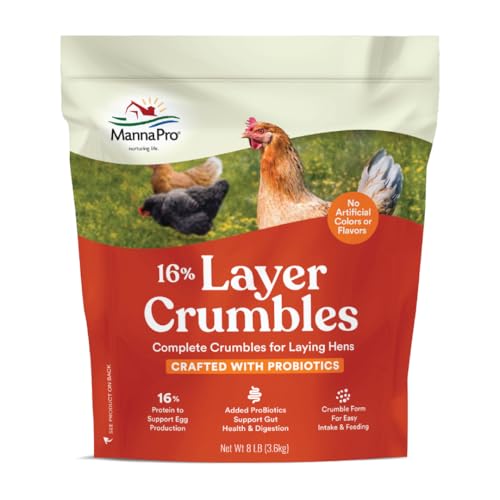
COMPLETE CHICKEN FEED FOR LAYING HENS: Manna Pro Chicken Feed delivers complete nutrition designed for laying hens, supporting strong egg production, healthy feathers, and overall wellness; balanced formula helps maintain optimal health in backyard flocks

PREMIUM CHICKEN FOOD FOR LAYING HENS WITH OMEGA-3: High-quality chicken layer feed made for strong egg production; fortified with chicken feed omega 3 & extra chicken feed calcium to support healthy shells & provide complete daily nutrition for your hens
Broody Hens Turn Their Eggs 40 to 50 Times Every Day
A broody hen’s constant attention to her clutch reveals nature’s engineering precision: she’ll rotate her eggs approximately 40 to 50 times daily, with wild and feral birds observed turning as frequently as four times per hour—nearly 96 turns per day. This egg rotation during natural incubation prevents embryos from adhering to shell membranes, reducing malposition and promoting uniform development. Regular turning distributes temperature and humidity evenly across each egg’s surface while enhancing nutrient and gas exchange through the chorioallantoic membrane. Interestingly, double-yolk eggs can result in the rare occurrence of twin chicks, although most will hatch only one or none. Proper nutrition during this time is essential for the hen, as it supports her health and the development of the embryos within the eggs. Hens also require adequate calcium to prevent complications such as egg binding, which can affect her ability to care for her clutch. Interestingly, most hens typically start laying eggs between 18 to 22 weeks of age, which can impact how many clutches they produce each year. You’ll notice she stops rotating around day 18, allowing chicks to assume hatching position. Commercial incubators typically use 24 turns daily—a practical standard—yet research demonstrates that higher frequencies can improve hatchability, particularly with lower-quality or older-flock eggs. This ongoing attention to turning frequency reflects the industry’s commitment to adapting practices based on both natural behaviors and modern scientific findings. To ensure optimal conditions for the developing embryos, it is crucial to be mindful of chicken growth stages during this important incubation period.
Chicken Intelligence Rivals Many Mammals
While a broody hen’s methodical egg-turning demonstrates instinctive precision, her cognitive abilities extend far beyond programmed behaviors. You’ll find that chickens possess sophisticated spatial reasoning, mirror-image recognition, and object permanence comparable to primates and corvids. They master delayed matching-to-sample tasks, demonstrate transitive inference, and perform basic arithmetic operations. Interestingly, chickens also store body fat in specific depots, which serves as an energy reserve essential for development and survival. Their social intelligence proves equally impressive—you’ll observe perspective-taking, referential communication, and individual recognition of up to 100 flock members. Chickens exhibit episodic memory, personality traits, and self-control on par with mammals. Additionally, studies indicate that their emotional complexity includes a capacity for social learning, allowing them to adapt behaviors based on their interactions with others. Interestingly, chickens share with American Game fowl the ability to be hardy and self-reliant, which illustrates their adaptability to various environments. It’s interesting to note that a well-maintained environment with ample space, including a chicken run, is crucial for their overall well-being and cognitive development. They learn rapidly through observation, retain trained behaviors indefinitely, and display emotional complexity. In experimental settings, chickens have successfully demonstrated mirror-mediated spatial reasoning, associating mirror reflections with real-world food rewards in ways that reveal their capacity for visual problem-solving. These cognitive capacities rival many mammals you’d encounter, positioning backyard chickens as far more intellectually sophisticated than most people assume.
Chicken Manure Is Gardening Gold
If you’ve invested in raising backyard chickens, you’re sitting on one of gardening’s most valuable resources: nutrient-dense manure that’ll transform your soil and boost crop yields. Chicken manure’s nutrient composition far exceeds many alternatives, delivering concentrated nitrogen, phosphorus, and potassium alongside secondary macronutrients and micronutrients. You’ll achieve manure benefits by composting first—raw litter burns plants and harbors pathogens. Proper thermophilic composting destroys disease organisms and stabilizes nutrients into slow-release forms that minimize leaching. Additionally, providing chickens with essential supplements such as grit and oyster shell enhances their health, leading to more nutrient-rich manure. Incorporating a diet rich in whole grains can further enhance the quality of the manure produced. Lime can also play a crucial role in coop maintenance, as its antimicrobial properties help create a healthier environment for chickens, contributing to better overall manure quality. Once matured, your composted manure increases soil organic matter, enhancing water retention, aeration, and microbial activity. This improved soil biology accelerates nutrient mineralization, making nutrients readily available to crops. Field trials demonstrate that appropriately applied poultry litter matches synthetic fertilizer performance while reducing long-term input costs and supporting sustainable gardening practices. By incorporating composted chicken manure into your garden beds, you can significantly reduce dependency on synthetic fertilizers, lowering both costs and minimizing nutrient runoff that harms local waterways.
Local Ordinances May Limit or Ban Your Flock
Before you establish your chicken operation, you’ll need to investigate the local regulations governing backyard poultry in your area—rules that vary dramatically across municipalities and can either permit or prohibit your flock entirely. Zoning restrictions determine whether chickens qualify as an accessory use on your property and may limit flocks to specific zoning districts like Agricultural or Rural Residential zones. Most municipalities cap flock sizes at six hens per single-family residence, typically prohibit roosters, and specify allowed species. It is also common for local laws to outline coop placement requirements to minimize any potential conflicts with neighbors. Additionally, many cities have specific coop specifications that outline construction standards to ensure safety and sanitation. For optimal chicken health, it’s beneficial to incorporate essential herbs that can boost their wellness and immunity. Regulation compliance may also include licensing requirements to provide additional oversight on chicken ownership in certain areas. Permit requirements often include scaled coop drawings, property setback documentation, and proof of compliance with setback distances—commonly five to twenty-five feet from property lines. Many jurisdictions charge nominal fees for permits and conduct inspections to enforce ordinance compliance. Documentation is required for chicken ownership, and some areas allow additional species such as ducks in certain zones, expanding the possibilities for your backyard operation.

【Stop the Mess, Keep the Coop Dry】 Tired of soggy bedding and constant cleaning? Our Gravity-Fed Automatic Chicken Waterer Cups feature a precision-engineered drinking valve that refills only when the water level drops. This prevents overflow and leaking, ensuring your coop floor stays dry and your poultry enjoys a cleaner environment
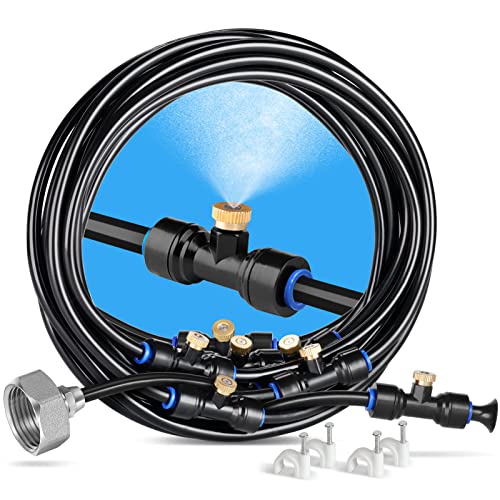
Premium Mist Effect: It features 26FT flexible, heat-resistant 1/4" tubing, a solid brass 3/4" NHT hose adapter, and 7 brass nozzles. This system ensures a tight seal to prevent leaks, resists rust, and is designed for easy cleaning to minimize clogging

Biosecurity Protects Your Birds From Serious Disease
Disease transmission in backyard flocks occurs through multiple pathways—direct contact with infected birds, contaminated equipment and feed, wild bird droppings, and human traffic—making thorough biosecurity protocols essential to safeguard your flock’s health. To prevent additional threats, it is also vital to protect your chickens from weasels, which can efficiently kill chickens if given the chance. Additionally, maintaining clean coops helps prevent stress and health issues that could impact your chickens’ productivity. Interestingly, young chicks benefit from behaviors such as coprophagy, which aids in establishing their gut microbiome during crucial early development stages. It is also crucial to secure coops at night to deter nocturnal predators, such as great horned owls, which can pose a serious risk to your flock.
You’ll implement biosecurity measures by installing perimeter fencing, establishing a defined line of separation, and restricting visitor access. Quarantine all new birds for 30 days in separate housing with dedicated equipment. You’ll sanitize coops, feeders, and waterers regularly, maintaining two-week downtime between flocks.
Your disease prevention strategy includes designating dedicated clothing and footwear for bird areas, requiring handwashing before and after contact, and using footbaths at entry points. You’ll limit caretaker assignments to a small, consistent team and document daily access. Showering and changing clothes after visiting other poultry locations will further reduce pathogen exposure and prevent disease introduction from external sources. These systematic protocols greatly reduce pathogen exposure and protect your investment.
Backyard Chickens Offer Real Economic and Food Security Benefits
Beyond disease prevention, backyard chicken flocks deliver substantial economic returns and strengthen household food security. You’ll recoup your initial investment within 2.5 years—a single hen costs $95 in feed and equipment while yielding $256 in egg value, netting $161 profit. Your annual feed costs of $40 per hen are offset by 200 eggs valued at $128.
You’ll achieve food sovereignty by buffering against grocery shortages and price volatility. Each hen diverts 150–200 kilograms of household food scraps yearly into eggs and fertilizer, reducing your waste while lowering municipal landfill costs. Backyard flocks particularly strengthen food security in low-income areas, addressing fresh protein access gaps. You’re simultaneously generating potential income through flock sales while enhancing household dietary diversity. Chicken manure serves as valuable garden fertilizer when properly aged, further reducing your household input costs and supporting sustainable gardening practices.

【Instant 20°C/68°F Cooling】These misters for outside patio feature high-efficiency brass nozzles that create a cool micro-climate around patios, balconies, or sunshades in seconds. Delivers a feel-like temperature drop of up to 20°C for instant relief on hot summer days.

DUAL FAN SYSTEM: Includes 2 fans that can be configured for intake or exhaust ventilation, powered by a 15W solar panel for energy-efficient operation without electricity costs

【Complete All-in-One Kit】This set includes everything for setup and use: the foldable tunnel frame (79" or 157"), a sun protection net, a removable zipper door, heavy-duty U-shaped stakes, green zip ties, a puller, and scissors. No need to buy anything extra.