You can harness wood ash’s natural properties to control parasites, enhance eggshell quality, and reduce coop ammonia. Its desiccant action dehydrates soft-bodied insects while calcium content strengthens eggs. The alkaline pH neutralizes acidic compounds and kills pathogens. However, you’ll need to source untreated hardwood only, avoid chemical-treated materials, and apply ash carefully to prevent caustic effects on your flock’s skin. Strategic application transforms your coop’s hygiene and productivity—but proper technique matters considerably.
How Wood Ash Suffocates Parasites and Mites
Because wood ash functions as a natural desiccant, it effectively dehydrates the exoskeletons of mites, lice, and other soft-bodied parasites without requiring synthetic chemicals. You’ll interrupt the mite lifecycle by disrupting their moisture absorption, which these pests depend on for survival. Wood ash employs dual suffocation methods: it absorbs the oils and moisture from parasites’ bodies while simultaneously coating their respiratory surfaces. When you dust your coop with ash, you’re creating an inhospitable environment that targets multiple developmental stages. The mechanism works through direct contact—as chickens dust bathe and move through ash-treated areas, particles lodge in feather shafts and skin folds. This approach proves particularly effective because it doesn’t rely on timing treatments around specific lifecycle phases; instead, it maintains continuous pressure against infestations through environmental modification. To enhance the dust bath’s parasite-fighting properties, you can combine wood ash with diatomaceous earth for a more comprehensive natural treatment option.

ALL-NATURAL CHICKEN DUST BATH MIX FOR HEALTHY, HAPPY FLOCKS – Provide your chickens with the ultimate hygiene solution with this premium chicken dust bath mix, specially formulated to keep them clean, comfortable. This is more natural, effective and loved by flocks instead of chicken sand solution. This is a must-have for any chicken coop, as this fine, all-natural blend mimics a natural dust bath, allowing your flock to roll, fluff, and preen even when dry soil isn't available.

✔️ Ultra-Soft Unmined DE Alternative: Made from 100% clean, recycled wood ash—completely unmined and free of harsh chemicals. Finely screened for a silky texture that’s gentle on feathers and easy to mix with bedding or sand.

Untreated Hardwood Sourcing Sourced from raw hardwoods only—no paint, stain, glue, or pressure treatment—ideal as a wood ash for chickens dust bath mix-in.
Nutritional Benefits for Laying Hens
While wood ash’s parasite-control properties make it valuable for flock health, its mineral composition offers equally important nutritional advantages for laying hens. You’ll find calcium sources in hardwood ash ranging from 10-25%, supporting eggshell formation and bone strength, much like oyster shell intake which is crucial for laying hens. Breeds like the Australorp are known for their impressive egg production capabilities, which can benefit from enhanced nutrition. Potassium levels between 5-15% enhance metabolic function and electrolyte balance, while magnesium functions at 1-4% promoting muscle and nerve activity. A well-balanced diet with proper minerals is crucial for optimal egg production, as is incorporating high-quality feeds that meet their nutritional needs. Furthermore, adequate calcium sources are vital for hens to produce strong eggshells. Phosphorus contributes 1-3% for energy metabolism. When you source ash from untreated hardwoods rather than softwoods, you’ll access five times more nutrients. Mixing wood ash at 1-2% in your flock’s feed delivers extensive nutrition that complements laying hen requirements beyond basic mineral supplementation. Wood ash should always be completely cooled before adding it to your chickens’ feed to ensure safety and prevent burns.
Improving Eggshell Quality and Strength
The nutritional minerals you’re supplying through wood ash don’t simply support your hens’ overall health—they directly influence eggshell formation and durability. Wood ash contains calcium carbonate and oxides that enhance dietary calcium availability when your hens ingest ash during dust-bathing or pecking. The alkaline pH of wood ash solubilizes these minerals in your hens’ acidic gut environment, facilitating calcium absorption essential for shell deposition. Enhanced calcium bioavailability directly correlates with increased eggshell thickness, measured in micrometers, and improved breaking strength. Additionally, wood ash’s alkalinity reduces litter ammonia levels, minimizing metabolic stress that otherwise disrupts calcium mobilization from medullary bone. Hens also benefit from crushed eggshells as they provide a natural source of calcium that contributes to strong eggshells. Similar to how ash stabilization enhances the engineering properties of construction materials through mineral integration, the incorporation of wood ash into your chicken coop environment strengthens eggshell composition through systematic mineral availability. The consistent provision of nutritional minerals is essential for optimal egg production, as hens require an adequate calcium supply even in the absence of a rooster. Furthermore, it is crucial for hens to have adequate calcium intake to support their productive capabilities as they lay eggs consistently. By optimizing mineral solubility and intestinal absorption, you’re systematically strengthening shell integrity throughout your flock’s production cycle, ultimately ensuring that hens can access calcium from their diet for robust eggshell formation. Furthermore, combining wood ash with nutritional feed can amplify the benefits of mineral absorption, creating a more supportive environment for your hens’ health.
Natural Pest Control in the Garden
Once you’ve optimized your coop’s mineral content and reduced ammonia stress through wood ash application, you’ll find that your flock’s improved health extends beyond eggshell quality—it strengthens their resilience against garden pests that might otherwise proliferate unchecked. Wood ash’s mineral composition naturally deters certain soft-bodied insects when dusted directly on plants, functioning as a mechanical barrier. Additionally, wood ash amendments enhance soil structure, promoting beneficial insects like ground beetles and centipedes that consume slugs and soil-dwelling pests. By fostering habitat conditions through improved soil health, you create an environment where natural predators thrive. This reduces pest attraction to stressed plants while supporting integrated pest management without synthetic pesticides. Installing birdhouses and feeders will further encourage natural predators like birds to control garden pests such as caterpillars and beetles. Furthermore, healthy chickens, particularly during the pullet stage, contribute to a more balanced ecosystem as they naturally forage for pests in your garden. Your garden benefits from enhanced biological control through the cascading health improvements wood ash provides your entire agricultural ecosystem.

We also carry a 3.5 Pound Garden Ash w/texture for about the same cost, If your application is for the garden and doesn't require as much sifting. (Search our Store for this product)

Finely sifted with some texture to the ash. Great for Pottery Glaze, Soap Making, etc. Depending on your application, you could sift further.

Great for raising PH levels and balancing acidity in your soil (PH Sweet Spot of 6.0-7.0) (Acid loving plants require a lower PH)
Reducing Ammonia and Odors in the Coop
Because ammonia accumulation poses serious respiratory risks to your flock, managing coop odors isn’t merely a comfort issue—it’s essential for bird health. Wood ash provides effective ammonia reduction through dual mechanisms: its alkaline properties neutralize acidic ammonia compounds, while its high carbon content actively binds nitrogenous waste. You’ll find that applying a light ash layer to bedding absorbs excess moisture that breeds odor-causing bacteria, creating inhospitable conditions for ammonia formation. For ideal odor control, sprinkle ash directly on fresh droppings each morning, then sweep and reapply during regular clean-outs. Additionally, applying barn lime alongside wood ash can further enhance these benefits by raising litter pH, which helps kill pathogens. The warm Epsom salt bath’s soothing treatment for chickens can also complement the benefits of clean bedding. Alternatively, line floor areas beneath roosts with ash to catch droppings at the source. This systematic approach—targeting moisture, binding ammonia, and neutralizing compounds simultaneously—delivers measurable reductions in coop fumes, particularly during winter when ventilation remains limited. Additionally, maintaining a clean coop helps prevent stress and disease that can result from unhealthy living conditions, further ensuring optimal egg production. Incorporating wood ash into your regular coop maintenance routine also improves overall chicken coop hygiene by reducing the bacterial load that thrives in ammonia-rich environments. Interestingly, duck eggs are denser in nutrients which could further enhance the health of your flock when included in their diet or if you opt for a more varied egg-laying experience. Additionally, using wood ash can enhance the coop’s plastic nesting boxes, as it helps maintain a clean and dry environment that supports both the hens’ comfort and egg hygiene.

100% natural mineral odor eliminator for chicken coops - contains no perfumes, additives or chemicals

ELIMINATE CHICKEN COOP ODOR & BROODER AMMONIA That Can Be Harmful To Your Chicks Respiratory System

Eliminate Ammonia Instantly: Our enzymatic chicken coop cleaner neutralizes ammonia at the source for a smell-free home for chickens and ducks. A fragrance-free coop deo spray, it dissolves odors deep within wood, sand, and bedding without using perfumes
Dust Bathing: Creating Natural Areas for Your Flock
Why do your chickens instinctively scratch and roll in dirt? They’re actively maintaining feathers, distributing natural oils, and defending against external parasites like mites and lice. Providing your chickens with wood ash in their dust baths can help control external parasites effectively.
You’ll want to create dedicated dust bath locations in dry, sheltered areas—under roofs, trees, or tarps—where sunlight reaches during the day. Keep these stations away from feeders, waterers, and nesting boxes to prevent contamination.
For dust bath materials, use clean dry dirt or construction-grade sand as your base. You can blend 70% sand with 30% soil, or incorporate wood ash sparingly at 5–10% for its antimicrobial properties. Maintain substrate depth at least 10 centimeters to allow full rolling and effective plumage penetration. Container size should accommodate your flock’s needs, reducing competition and behavioral stress. Food-grade diatomaceous earth can be added to your dust bath mixture to enhance parasite control and maintain optimal hygiene for your chickens.
Feed Supplementation Guidelines and Ratios
While dust bathing addresses your flock’s external parasite control, strategically incorporating wood ash into their feed supports internal health and mineral balance. You’ll want to include ash at 0.3–1% of total feed by weight, which supplies essential minerals without disrupting nutrient ratios. Before supplementing, analyze your ash’s nutrient composition—calcium ranges from 10–25%, magnesium from 1–4%, and potassium from 5–15%, varying considerably by wood type. Corid’s dosage guidelines can also ensure your flock maintains balanced health during any potential coccidiosis outbreaks. Hardwood ashes contain up to five times more nutrients than softwoods. Additionally, wood ash can provide essential minerals that help enhance overall chicken health. Prioritize safe ash sourcing by using only untreated, clean wood; avoid treated, painted, or coal ash entirely due to heavy metal contamination risks. At recommended ratios, wood ash in feed can improve chicken droppings odor while enhancing lay rates and extending laying periods. Additionally, oregano’s antibiotic properties can work synergistically with wood ash supplementation to further support your flock’s health. Including calcium levels in your ash supplement can ensure that hens receive adequate nutrients necessary for optimum eggshell strength. Lab analysis before use identifies sodium content and contaminants, ensuring your supplementation strategy protects flock health.

COMPLETE STARTER FEED FOR CHICKS: Specifically formulated for chicks from hatching to 16 weeks, this non-medicated chick starter feed delivers balanced nutrition and essential nutrients to support strong, healthy early growth and development.
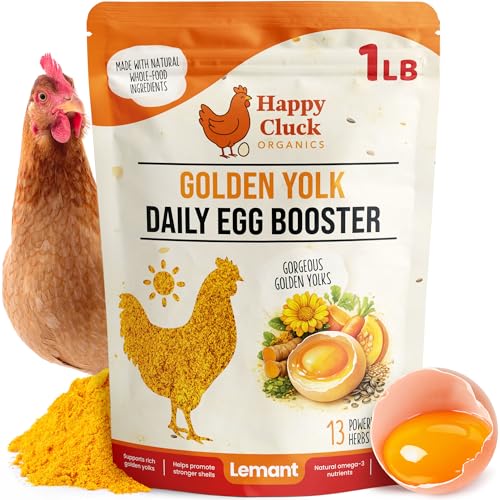
13 WHOLE-FOOD HERBS IN EVERY DAILY SCOOP - This Daily Egg Booster for Chickens packs 13 functional whole-food ingredients into every daily scoop. Each 1 LB pouch blends pumpkin powder, carrot powder, turmeric, milled calendula flowers, stabilized flaxseed, black oil sunflower meal, brewer's yeast, dual-grade calcium carbonate, kelp meal, chili flakes, rosemary extract, and standardized marigold extract into a single premium chicken vitamin and supplement for daily backyard flock nutrition.
Wound Treatment and Infection Prevention
Beyond nutritional supplementation, wood ash serves as a potent topical treatment for wounds and injuries in your flock, leveraging its natural antiseptic and hemostatic properties. Notably, young chicks often require enhanced care due to their coprophagy practice, which helps in their overall health and recovery. You’ll dust cooled, untreated ash directly onto affected areas to halt bleeding and promote wound healing. The antibacterial properties work by absorbing moisture and creating an inhospitable environment for pathogenic growth, effectively preventing secondary infections. Understanding optimal developmental phases ensures your chicken’s overall well-being during healing. Additionally, incorporating homemade chicken treats can complement their diet, further supporting recovery and energy levels. Chickens are frequent poopers, which means their wound care should be monitored closely to prevent exposure to bacterial growth from fecal matter. Proper coop management, which includes maintaining a stress-free environment, is also key to ensuring swift healing and preventing further complications.
Application proves straightforward: you apply ash topically to open wounds or incorporate it into dust baths for incidental protection. You’ll observe wounds drying and healing within one to two days. The Vitamin K content accelerates clotting, while the natural antibacterial action guards against infection progression. Wood ash also contains essential minerals like phosphorus and calcium that strengthen the immune system and support faster tissue regeneration in healing wounds.
Always source ash from untreated hardwoods like oak or maple. You must avoid chemically treated materials and monitor application to prevent caustic effects on your chickens’ skin.
Understanding Potassium Hydroxide and Causticity Risks
As you’ve learned how wood ash promotes healing through its antimicrobial action, it’s equally important to understand the chemical composition that underlies both its benefits and potential hazards. Wood ash primarily contains potassium carbonate rather than potassium hydroxide, making KOH formation unlikely in typical coop environments. When you assess causticity risk, recognize that ash leachates typically reach pH 9–11, which causes irritation but lacks the extreme corrosiveness of concentrated industrial alkali. Direct KOH production requires chemical conversion—treating ash with lime or caustics—conditions you won’t encounter in standard chicken housing. However, you should still exercise caution: eye exposure to ash dust risks mechanical abrasion and irritation, while ingestion can trigger gastrointestinal upset. The major elements in wood ash, including calcium and potassium, can accumulate in concentrated forms if ash is applied excessively to coop substrates. Additionally, maintaining suitable nesting box height is crucial for ensuring the health and productivity of your hens, as improper dimensions may lead to increased stress and decreased egg production. Practical safety measures remain essential despite modest chemical hazards. This is especially true when considering the potential impact of chicken water solutions on overall coop conditions, as well-maintained water sources are vital for chicken health. Furthermore, be aware that the health of meat chickens can be supported by ensuring they receive high-protein diets, as this is critical for their rapid growth and overall wellbeing.

GENUINE HARDWOOD SOURCE: We make this powder entirely from clean-burning hardwoods. There are absolutely no synthetic fillers, artificial colorings, or extra ingredients added, giving you a clean, simple product in a practical 2 lb bag.

DESIGN: The vintage industrial design is both functional handsome and ideal for general use or as a decorative light feature

Encourages Natural Dust Bathing: Supports your chickens' instinctive dust bathing behavior, helping keep feathers clean and healthy while promoting overall flock well-being.
Best Practices for Safe Wood Ash Application
Since wood ash’s benefits depend entirely on how you source and apply it, establishing rigorous protocols before introducing it to your coop is critical. Your ash sourcing must prioritize untreated wood only—avoid charcoal briquettes, pressure-treated lumber, and painted materials that harbor toxins. Store ash in dry, covered containers and cool hot ash completely before use.
For application rates, limit ash to a minority component in dust-bath mixes rather than using it pure. Sprinkle thin, even layers onto bedding while avoiding roost areas where moisture concentrates. Wood ash helps absorb toxins that can accumulate in your chicken’s environment, while free-ranging chickens also aid in keeping insect populations in check. Replenish weekly as needed instead of dumping large quantities. Confine ash to designated zones to minimize bird exposure and simplify cleanup. Monitor your flock closely for respiratory or skin irritation after introduction, discontinuing use if problems emerge.