While your chickens will opportunistically hunt and catch young or small rats, they aren’t reliable as a primary pest control method. Their predatory instincts allow them to chase and peck at rodents, but they’ll struggle with larger adult rats that can actually threaten vulnerable chicks. You’ll need to implement thorough rodent management strategies, including proper food storage, coop security, and targeted trapping methods. Understanding the all-encompassing approach to rat control will guarantee both your chickens’ safety and effective pest management.
The Natural Hunting Instincts of Chickens
While chickens are often viewed as simple barnyard animals, they possess sophisticated innate hunting behaviors rooted in their exploratory pecking instincts. Their beaks contain numerous nerve endings and touch receptors that help them quickly distinguish food from non-food items during foraging.
You’ll find that chickens’ predatory instincts emerge shortly after hatching, as they begin pecking and scratching in predictable patterns. These hunting behaviors are controlled by lateralized brain functions that enhance their foraging efficiency. Their right foot scratches first, showing the left brain’s control over food-seeking behavior. Though primarily seed and insect eaters, chickens will opportunistically hunt small prey like young rats and mice. As omnivorous birds, chickens naturally forage for a variety of food sources including insects, which provide essential nutrients like protein and amino acids necessary for their health. Their ability to detect movement and coordinate beak-claw attacks makes them capable hunters of smaller rodents, even though they can’t effectively tackle full-grown rats. Chickens also possess superior color vision compared to humans, including the ability to perceive ultraviolet light, which helps them detect prey and food sources that would be invisible to us.
Understanding Rat Problems in Chicken Coops
Although chickens display natural hunting behaviors, rats pose significant challenges for coop management due to their persistent attraction to feed, water, and shelter. Understanding rat behaviors is essential – they’re drawn to wet chicken feed, spilled water, and improperly stored food. These rodents can transmit dangerous diseases like salmonellosis and leptospirosis to your flock while bringing parasites into the coop environment. The presence of rats also creates a predatory threat to vulnerable chicks.
To protect your chickens, you’ll need thorough coop hygiene and preventive measures. Start by installing 10mm hardware cloth around and under the coop, storing feed in metal containers, and using spillage-resistant feeders. Remove feeders at night and maintain a clean, debris-free perimeter. Sealing coop entry points is crucial to prevent rodents from accessing the interior space where your flock roosts. Regular monitoring through inspections and strategic trap placement will help you detect and address rat problems before they escalate into serious infestations.

PREMIUM 304 STAINLESS STEEL – RUST AND CORROSION RESISTANT Made of high quality stainless steel, this stainless fence mesh offers excellent rust and corrosion resistance for long term outdoor use. Perfect for garden wire mesh fencing, chicken coops, and animal enclosures exposed to rain or moisture, ensuring lasting strength and a clean appearance.
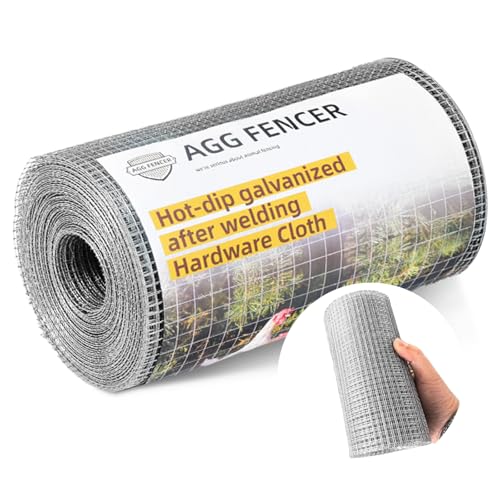
Product details: The length of this hardware cloth is 8 inches/ 20.32cm, the width is 25ft/ 7.62m, and the hole size is 1/4 x 1/4inch. It is very suitable for repairing damaged chicken coops, gaps under houses and other small-sized damaged holes

High quality raw materials: Our hardware cloth chooses the strength, toughness and ductility of low carbon steel wire as the inner core. This determines the basis of the high quality of our products
How Effective Are Chickens at Catching Rats?
Despite their natural hunting instincts, chickens demonstrate limited effectiveness at catching and controlling rat populations. While some chicken breeds may successfully prey on young or small rats, they struggle considerably with larger, more agile adult rats. You’ll find that chickens typically only catch rats when the rodents are vulnerable or desperate due to food scarcity.
Your chickens might chase or peck at rats, creating a deterrent effect, but this won’t reliably control an infestation. Rat agility and size advantages often allow them to evade chickens easily. In fact, vulnerable chicks can become targets of aggressive rats seeking food. Additionally, rats frequently adapt by avoiding areas where chickens are active or by exploiting food sources during times when chickens are less alert. Just as chickens enjoy catching flies as part of their natural hunting behavior, they may attempt to hunt small rodents, but neither activity provides complete pest elimination. Similar to how proper nutrition supports healthy hens in their regular egg-laying cycle, maintaining good feeding practices in your coop is essential for keeping chickens alert and active in their environment. For consistent rat control, you’ll need to implement additional methods like proper coop hygiene and strategic trapping alongside your chickens’ hunting efforts.

【 Humane & Safe Mouse Trap Bucket】Stop purchasing traditional mouse trap which can harm your family pet or even worse harm your children. Our mouse bucket trap system uses catch-and-release design that safely captures mice using 100% natural baits - peanut butter, cookies or fresh fruits. This humane mouse trap ensures a cleaner and safer home.

Safe and Reliable - Reduce the risk of rodent-linked disease as well as damage to your space with Tratper’s covered rat trap. Trapping mechanisms inside the enclosed tunnel keep children and pets out of harm's way.
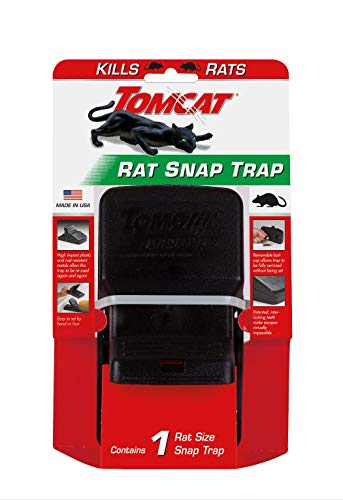
Reusable trap effectively kills rats and is easy to set by hand or foot
Creating an Environment for Successful Rat Control
Since effective rat control requires a thorough approach, creating an inhospitable environment is essential for long-term success. Your key environmental adjustments should focus on eliminating food, water, and shelter sources that rats depend on for survival. Start by sealing all entry points with rodent-proof materials and maintaining structural integrity through regular inspections.
Prioritize habitat cleanliness by removing clutter, dense vegetation, and debris piles that provide hiding spots. Store chicken feed in sealed metal containers, clean up spills immediately, and feed your chickens only what they’ll consume right away. Install gravel or concrete bases beneath coops to prevent burrowing, and consider adding natural deterrents like peppermint or garlic plants. Consider using rodent-proof feeders to further reduce rat attraction to your chicken’s feeding areas. Ensure fence foundations extend underground to stop digging predators and rats from accessing your coop area. Without implementing municipal-scale management strategies, individual property efforts may have limited success in controlling rat populations. Maintain open spaces with minimal ground cover to reduce protective areas where rats can hide.

Chicken feeder - An automatic chicken feeder is the best choice for chicken farmers, the chicken feeder can hold up to 16 pounds of feed, this is especially useful for those who have busy schedules and can't always be around to feed their chickens, the automatic chicken feeder is a great way to make sure that your chickens are always well fed.
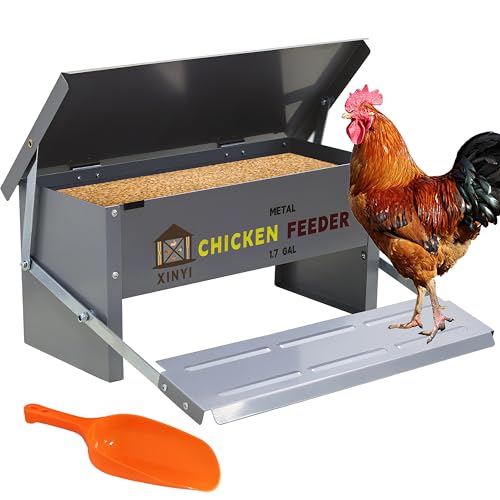
Treadle chicken feeder:This metal chicken feeder is made of high quality galvanized steel plate,built to last.

Rodent-Proof & Secure: Protect Feed from Pests This rat proof chicken feeder is built with heavy-duty metal chicken feeder construction and a locking lid that rodents (rats, mice) can’t breach. Unlike flimsy plastic feeders, its galvanized steel design blocks gnawing and prying, keeping your flock’s food safe and untouched—no more wasted feed or pest invasions.
Combining Chickens With Other Control Methods
While chickens can hunt and kill rats, relying solely on them for rodent control proves insufficient for most situations. You’ll need to implement an integrated strategy that combines chicken behaviors with multiple control methods for best results.
Set up various trap types near rodent pathways and entry points, using pre-baiting techniques to increase capture success. Encourage natural predators like owls and hawks by providing perches near your coop. Though repellents offer limited effectiveness, you can use them as supplementary deterrents alongside other methods. Treadle feeders can significantly reduce rodent access to chicken feed while still allowing your flock to eat normally. For rodent reinforcement, modify your coop environment by installing hardware cloth, elevating structures, and removing attractants. Keep feed secured in metal bins and switch to nipple waterers to reduce rat access. Regular assessment and adaptation of these combined approaches will maximize your control efforts.

Product Details: ArdeFentium 8in x 25ft hardware cloth chicken wire roll with 1/4 inch square openings and 23 gauge steel wire is ideal for small animal barriers and chicken fence projects. This 1/4 inch wire mesh is perfect for repairing damaged areas, adding extra protection to existing garden fencing, coop doors and fence bottoms.

Durable Welded Hardware Cloth & Ground Skirt: Features 1" x 1"(20 gauge) square welded hardware cloth on side walls with thickened PVC coating for superior durability and predator resistance. Combined with the extended ground skirt, it provides a professional safeguard for various poultry like dog kennels, rabbit cages, or sheep pens.

Galvanized hardware cloth roll 16 "x50 ' foot with 1/2 inch mesh 19 gauge.In order to provide a better experience, the actual length of Gardeal's hot-dip galvanized iron mesh is 16inx(600+19)in, which is 619in.
Safety and Health Considerations
When chickens hunt and consume rats, they face significant health and safety risks that require careful monitoring. Disease transmission is a primary concern, as rats carry harmful pathogens like Salmonella and Leptospira that can infect your flock. Physical injuries may occur when chickens attempt to catch rats, exposing them to bites and scratches, while younger birds are particularly vulnerable to rat attacks.
With rodents capable of producing over 48 offspring annually, infestations can quickly escalate and overwhelm your chicken coop. Food safety becomes compromised if your chickens eat rats that have ingested rodenticides, potentially contaminating eggs and meat. Parasite risks increase as rats introduce fleas, mites, and ticks to your flock, leading to irritation and reduced egg production. These health challenges can impact your chickens’ longevity, as birds living in optimal conditions with proper nutrition and predator protection typically thrive for 5 to 8 years or longer. Coop hygiene also suffers from rat infestations, as their urine and feces create unsanitary conditions that promote bacterial growth and attract additional pests.
Building a Long-Term Rodent Management Strategy
To effectively protect chickens from rat-related health risks, implementing a thorough rodent management strategy addresses multiple control aspects simultaneously. You’ll need to focus on rodent exclusion by sealing all entry points with hardware cloth and installing predator-proof latches. Maintain strict environmental sanitation by removing spilled feed daily and storing food in metal containers with tight-fitting lids.
Electric traps offer a safe and instant solution that won’t endanger pets or livestock. Deploy multiple traps along known rodent pathways, using fresh bait like peanut butter to increase capture rates. Consider biological controls by encouraging natural predators through installed perches and nesting boxes. Store chicken feed in secure metal containers and limit spillage, as rats are attracted to quality grains or pellets that form the staple of your flock’s diet. Monitor your property regularly for signs of rodent activity, documenting problem areas and adapting your approach based on seasonal changes. After handling any rodent control equipment or contaminated areas, sanitize all surfaces and wash your hands with mild, pet-safe soap to prevent disease transmission to your flock. Remember to rotate your control methods to prevent rats from becoming habituated to any single strategy.

Upgraded Hole Filler - This Stainless Steel Mesh is designed to stuff all kinds of openings to prevent unwanted guests or air from entering your home or office building.It is rustproof and works great to seal weep-holes and around plumbing,A/C,vents, and other places where your unwanted guests enter.This wire mesh is double fold tube design and Semi-flexible,,easier to bend but not easy to break.,especially easier worked into Tight Spots than steel wool and cooper mesh

304 stainless steel woven wire mesh sheets, 5 mesh with 4.4mm square openings; embossed-wire texture at every strand creates a non-slip surface that holds its shape under load — edges and wire tips are sharp, wear work gloves during handling and installation

Wire Mesh Roll: Mesh: 1/4'' x 1/4'', 1/2''x 1/2'' , 1''x 1''. Length: 1m-5m(39.4''-196.9''). Height: 0.5m/19.7'', 1m/39.4'', 1.2m/47.2''. Full size options available. Welded mesh small holes prevents rats and mice get through.