Raccoons pose a severe threat to your chicken coop, often killing entire flocks in a single night through brutal hunting methods. They’re skilled climbers and diggers who typically attack after dark, leaving behind decapitated chickens and partially consumed remains. You’ll recognize their distinctive five-fingered tracks, scattered feathers, and damage to coop latches or wire mesh. Understanding raccoon behavior and implementing proper security measures can mean the difference between flock survival and devastating loss.
Understanding Raccoon Behavior Towards Chickens
When it comes to chicken predation, raccoons represent one of the most destructive threats to backyard flocks across the United States. Their raccoon intelligence manifests in their ability to manipulate locks, latches, and other securing mechanisms with their highly sensitive paws. You’ll find these predators typically attack at night, employing brutal hunting methods that often result in decapitated chickens with partially consumed remains. Motion-activated lights can effectively deter these nocturnal predators from approaching your coop.
Their social behavior includes hunting in pairs, with one raccoon distracting the flock while another launches the attack. These opportunistic carnivores target both adult birds and chicks, though they’re particularly drawn to eggs and smaller prey they can fully consume. Like small entry points that minks use, raccoons can squeeze through surprisingly tight spaces to access coops. You’ll notice their distinctive attack pattern: they’ll grab chickens by the head or neck, leaving scattered evidence of their predation around your coop. Identifying raccoon presence is possible through their telltale hand-like paw prints and scratches around the coop area.

✅ 5 Adjustable Modes for Customized Security Choose between 24/7 ultrasonic + motion detection (Mode 1), night-only ultrasonic (Mode 2), 24/7 siren + strobe alarm (Mode 3), night-only alarm (Mode 4), or off (Mode 5). Perfect for adapting to day/night cycles and specific security needs, from silent deterrence to high-intensity alerts.

Upgraded & Powerful Solar Repellent Device - Our newest innovative 2025 deer repellent devices are equipped with advanced modes uses bright LED lights to humanely deter unwanted animals. Its owl-shaped design and extra modes ensure extensive coverage, revolutionizing animal control while preserving your peace and the environment.

🚨【Keep those "guys" away from our homes】Our motion alarm sensor effectively scares away intruders and protects your home and property. You no longer have to worry about unwanted "explorers" damaging your property.
Signs Your Coop Has Been Targeted by Raccoons
A thorough inspection of your chicken coop can reveal telltale signs of raccoon targeting through distinct physical evidence. During coop inspections, look for five-fingered footprints resembling small human hands, claw marks near latches, and damaged chicken wire. Raccoon habits typically leave specific evidence: partial chicken carcasses with missing heads, scattered feathers, and mutilated remains near the coop rather than carried away. Unlike weasels that employ a neck-biting technique, raccoons have a distinctly different attack pattern. Raccoons often reach through fencing to grab and eat only the heads of chickens, leaving the bodies behind.
You’ll notice raccoons operate nocturnally, often leaving multiple sets of tracks indicating group attacks. Their incredible problem-solving abilities make them particularly dangerous since they can remember how to break into coops for up to three years. Check for structural vulnerabilities, particularly gaps as small as 3 inches, loose latches, and compromised fencing. Beyond the coop, examine surrounding areas for overturned garbage cans, disturbed bird feeders, and signs of denning activity, which confirm raccoon presence in your vicinity.

【Durable Slide Bolt Gate Latch】Slide bolt gate latch is made of premium quality iron, which is more strong and more durable. High-quality rust-proof, and not easy to deform. The surface of the metal door lock is black power coated finish to enhance its wear resistance and corrosion resistance, whcih could guarantee prolonged service life.

Easy to Operate: The barn door lock is a classic hook and eye lock, easy to operate and can be quickly locked and unlocked, and difficult to automatically unlock. Compact and exquisite, it can firmly grasp your doors and windows, not only do you not have to worry about children and pets entering, but also protect your privacy.

DOUBLE PROTECTION - Lock down this flip latch with an extra padlock, provides double protection and security with this gate latch.
How Raccoons Hunt and Kill Their Prey
Raccoons employ a sophisticated hunting strategy that combines their heightened sensory capabilities with methodical stalking behaviors. Their hunting techniques rely heavily on their acute sense of smell and hearing to detect potential prey, especially during nighttime hours when they’re most active. Unlike owls that rely on silent swooping attacks, raccoons hunt primarily on the ground and through climbing. Using their nimble paws, they can easily tear through chicken wire fencing, making proper coop reinforcement essential.
Rodent distress sounds have proven effective at luring raccoons into hunting areas since they trigger predatory responses. These opportunistic predators utilize specific attack patterns when targeting chickens. You’ll find they approach silently and deliberately, using natural cover and darkness for concealment. Rather than pursuing chickens over distances, they prefer ambush tactics, quickly immobilizing their prey with precise bites to the head or neck. Their dexterous front paws allow them to manipulate coop entrances and latches, while their climbing abilities enable access from multiple angles. If initial attempts fail, raccoons will persistently return, especially when they’ve identified vulnerable entry points.
Common Entry Points Raccoons Use to Access Coops
Understanding the key entry points raccoons exploit can help fortify your coop against these skilled predators. The most vulnerable raccoon entryways include unsecured doors, windows, ventilation openings, and ground-level access points. Your coop’s doors require multiple-step latches or padlocks, as raccoons can manipulate simple mechanisms. Windows need secure screens and proper caulking to prevent prying. Similar to protecting against foxes, installing hardware cloth fencing around the entire coop perimeter provides essential security against determined predators. While protecting any chicken breed is crucial, owners of rare varieties like the Green Queen breed that lay unique mint-colored eggs should be especially vigilant about security.
Raccoons possess dexterous climbing abilities that make them exceptionally dangerous to chickens housed in coops with inadequate protection. To reduce coop vulnerability, elevate entrances and install offset bars that force chickens to jump while deterring raccoon access. Install hardware cloth or buried mesh around the foundation to prevent tunneling, and dig trenches at least one foot deep filled with blocks. Confirm ventilation holes have reinforced mesh with small openings that prevent raccoon claws from gaining purchase.

【Heavy-Duty 19-Gauge Black Vinyl-Coated Hardware Cloth (48"x100')】 Built tough! 19-gauge galvanized steel with double-layer black vinyl coating resists rust and harsh weather—thicker than standard 23-gauge! Perfect for chicken wire fencing, vinyl fencing, and underground gopher wire mesh—no corrosion, even in wet soil.

Industrial-Grade Hot-Dip Galvanized Protection: Unlike flimsy cold-galvanized wire, our hardware cloth is double-dipped in molten zinc, creating a 3x thicker coating that resists rust, scratches, and UV damage. Ideal for chicken wire fencing and duck run or rabbit/cat/dog enclosures.
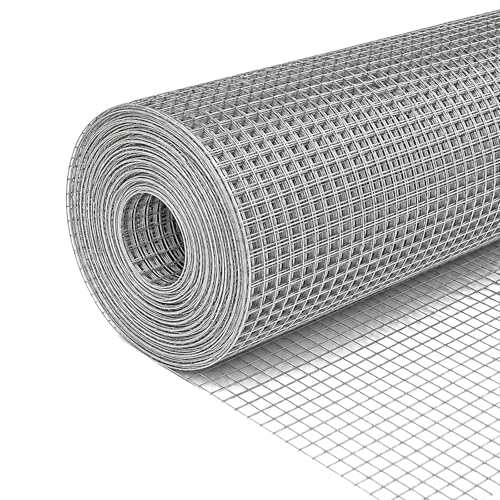
Hardware Cloth 1/2inch for Chicken Coop – 16 inch x 50 ft welded wire mesh made from 23-gauge galvanized steel hardware cloth. Provides reliable strength and flexibility for chicken wire fencing, garden protection, and general outdoor use
Securing Your Chicken Coop Against Raccoon Attacks
Protecting your chicken coop against raccoon attacks requires a multi-layered defense system built on proven security measures. Start with high-quality fencing materials, including 1-inch wire mesh at least 5-6 feet high with an outward-angled top section. Your coop construction should incorporate hardware cloth rather than standard chicken wire, secured firmly to solid surfaces and extended underground for anti-tunneling protection.
Install solid wood or metal doors with reliable latches, and guarantee all windows are predator-proof. You’ll need to bury fences 12 inches deep or create an L-shaped base to prevent digging. Consider adding natural deterrents like pepper or cinnamon around the perimeter, but remember they require frequent reapplication. Since multiple bird deaths often occur in a single raccoon attack, implement electric fencing where permitted and maintain regular inspections of all protective elements. Use two-step locks on all coop doors to prevent raccoons from cleverly manipulating simpler latches. Consider installing motion-activated lights near your coop entrance to startle and deter approaching raccoons at night.

Galvanized hardware cloth roll 16 "x50 ' foot with 1/2 inch mesh 19 gauge.In order to provide a better experience, the actual length of Gardeal's hot-dip galvanized iron mesh is 16inx(600+19)in, which is 619in.

Industrial-Grade Hot-Dip Galvanized Protection: Unlike flimsy cold-galvanized wire, our hardware cloth is double-dipped in molten zinc, creating a 3x thicker coating that resists rust, scratches, and UV damage. Ideal for chicken wire fencing and duck run or rabbit/cat/dog enclosures.
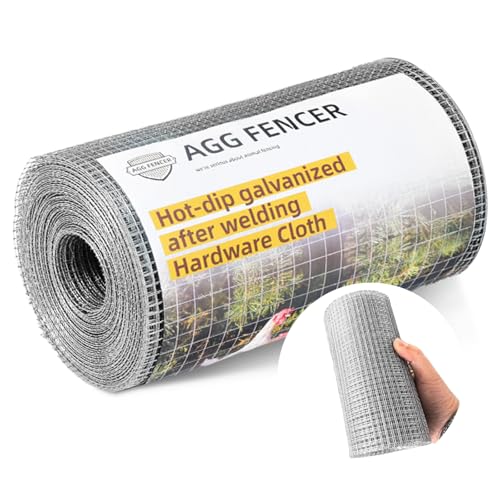
Product details: The length of this hardware cloth is 8 inches/ 20.32cm, the width is 25ft/ 7.62m, and the hole size is 1/4 x 1/4inch. It is very suitable for repairing damaged chicken coops, gaps under houses and other small-sized damaged holes
Best Practices for Nighttime Chicken Protection
While nocturnal predators pose significant risks to chicken flocks, implementing thorough nighttime protection strategies can substantially reduce predation. You’ll need to secure your coop with automatic door systems that close at sunset and install predator proof fencing around the perimeter. It’s essential to remove all food sources that could attract raccoons and other predators, including uneaten feed and unsecured storage containers. Using hardware cloth mesh on all openings prevents raccoons from reaching through gaps to grab chickens. Installing welded wire reinforcement around vulnerable areas creates an additional barrier that raccoons cannot chew or tear through.
Consider integrating guardian animals like Great Pyrenees dogs or geese into your protection strategy, as they’ll actively deter predators through territorial behavior. Installing motion-activated lights and sprinklers provides additional deterrence by creating unexpected sensory disturbances. Since raccoons often target chicken heads through wire fencing, double-layering mesh barriers is crucial for protection. You should conduct daily evening inspections of your coop’s structural integrity, checking latches, ventilation covers, and clearing vegetation that could provide hiding spots for predators.
Physical Barriers and Deterrent Methods
The most effective defense against raccoon attacks involves implementing robust physical barriers and deterrent systems throughout your chicken coop and run areas. You’ll need to construct your coop using sturdy materials like 1/4 inch hardware cloth, solid wood treated with water-based primer, and metal sheets. Install metal latches requiring downward pressure and twisting motions, as raccoons can’t manipulate these effectively. Consider installing an automatic door system that closes securely at dusk when raccoons become active. The standard 8 by 12 feet dimensions provide adequate space for a medium-sized flock while maintaining security against predators.
Physical deterrents should include elevated coop designs, anti-tunnel skirting, and tight mesh roof coverings. Secure all potential entry points with predator-resistant locks and reinforce windows and nesting boxes. While behavioral deterrents like crushed red pepper and apple cider vinegar can supplement your defenses, they shouldn’t be your primary protection. Focus on creating an impenetrable structure with seamlessly meshed materials and regular maintenance checks. Since bulk feed storage attracts rodents that can make your coop vulnerable, ensure all feed is kept in sealed metal containers away from the coop area.

Durable Welded Hardware Cloth & Ground Skirt: Features 1" x 1"(20 gauge) square welded hardware cloth on side walls with thickened PVC coating for superior durability and predator resistance. Combined with the extended ground skirt, it provides a professional safeguard for various poultry like dog kennels, rabbit cages, or sheep pens.

Durable Welded Hardware Cloth & Ground Skirt: Features 1" x 1"(20 gauge) square welded hardware cloth on side walls with thickened PVC coating for superior durability and predator resistance. Combined with the extended ground skirt, it provides a professional safeguard for various poultry like dog kennels, rabbit cages, or sheep pens.

[Heavy Duty Material]: Gbekery Hardware cloth is crafted from high-quality, robust materials. And The size of the chicken wire is 16 inch×25 ft and 1/2 inch×1/2 inch thickness.
Identifying Raccoon Activity Near Your Property
Early detection of raccoon activity near your chicken coop can prevent attacks before they occur. You’ll need to look for five-toed footprints resembling small handprints, especially after rain or in soft soil. Sprinkle flour around your coop’s perimeter to capture clear raccoon tracks for identification. Regular inspection of footprints can help differentiate raccoons from other wildlife since their prints show five long fingers unlike cats and dogs. Similar to opportunistic scavengers like possums, raccoons will readily take advantage of any weakness in coop security.
Like coyotes, raccoons are most active during dawn and dusk periods. Due to their nocturnal behavior, listen for distinctive sounds at night, including scratching, chittering, or growling. Check for physical evidence such as torn screens, damaged vents, or claw marks on wooden surfaces. You’ll often find dark, tubular droppings near activity areas and potential nesting sites. Look for worn pathways in your yard and disturbed garbage bins, particularly at dawn or dusk. If your pets display unusual alertness or anxiety, this may signal raccoon presence in the vicinity.
Impact of Raccoon Attacks on Flock Survival
Devastating raccoon attacks can decimate entire chicken flocks within minutes, posing a severe threat to flock survival rates across urban, suburban, and rural environments. You’ll observe significant disruptions in flock dynamics following these attacks, as surviving chickens often exhibit heightened wariness and altered behavior patterns due to predator stress. While healthy chickens can typically escape raccoons, winded or tired birds become easy targets. Nutritious treats like fresh mango flesh can help strengthen chickens’ immune systems, making them more resilient to predator-induced stress.
The impact extends beyond immediate casualties. Your chickens may suffer mobility-impairing injuries, reduced egg production, and compromised immune responses due to sustained stress. Raccoons’ persistent predation affects reproductive success by targeting eggs, hampering natural flock renewal. You’ll notice surviving birds may limit their free-ranging behavior, affecting their normal foraging patterns. The combination of direct losses and behavioral changes can severely compromise your flock’s long-term viability, requiring immediate intervention to prevent complete flock collapse.
Essential Security Measures for Backyard Flocks
Protecting backyard flocks from raccoon attacks requires implementing multiple layers of physical barriers and security systems. You’ll need to install ¼ to ½ inch hardware cloth on all coop surfaces, including buried aprons extending 12-18 inches deep. Regardless of chicken breeds, reinforce walls and floors while securing doors with raccoon-proof locks like carabiner-style latches. Essential safety protocols include erecting tall fences with smooth tops, installing motion-activated lights, and maintaining electric fencing at multiple heights. Daily checks at dawn and dusk are crucial for detecting any signs of predator activity or compromised defenses. Cover runs with predator-proof netting or solid roofing to prevent aerial attacks. Consider adding livestock guardian animals for active deterrence. Old English Game chickens require especially secure enclosures due to their exceptional flying abilities and active nature. Adding reflective deterrents around the coop perimeter can help discourage both raccoons and aerial predators like hawks. Regular inspections of all security elements guarantee continuous protection against these determined predators.