You’ll need to prepare for your flock’s molt to last anywhere from 3 to 16 weeks, depending on whether your chickens are going through their first juvenile molt or their annual adult cycle. Juvenile molts occur at 6-8 days old and last 7 days to 4 weeks, while first adult molts begin at 14-18 months and span 6-12 weeks. Age greatly influences duration—younger hens complete cycles faster than older birds. Environmental conditions and nutrition also affect timeline considerably. Understanding these variables helps you support your flock’s recovery effectively.
Understanding Juvenile Molts
When your chicks are just 6-8 days old, they’ll begin their first juvenile molt—a critical developmental stage where they’ll shed their downy covering and replace it with their initial set of feathers over approximately 7 days to 4 weeks. This shift marks the change from downy chick to juvenile feathering, providing superior insulation and environmental adaptation. Additionally, ensuring proper biosecurity practices can contribute to overall health during this transitional phase.
Around 7-12 weeks, your birds’ll enter the second juvenile molt, where they’ll replace their first feather set with a second, more mature plumage. During this phase, roosters’ll develop ornamental development characteristics specific to their sex, including decorative tail and saddle feathers that distinguish males from females. The decrease in daylight as birds mature can influence the timing and intensity of this second molt.
These molts demand substantial nutritional support. You’ll need to provide high-protein feed, as feather growth redirects energy from general body development. Meeting these increased nutrient demands guarantees proper feather maturation and prepares your flock for full adult plumage before 12-18 months. Monitoring interactions closely with other species during this time can also help maintain peace in your flock.
The Adult Molting Cycle
Once your flock reaches maturity around 14–18 months of age, they’ll enter their first annual molt—a physiological event governed primarily by photoperiod rather than calendar date. Molt timing typically initiates in late summer or fall as daylight decreases, though climate, latitude, and management factors can shift onset earlier or later. Your birds may experience a soft molt followed by a harder phase within the same year, creating individual variation in feather renewal schedules. The complete adult molt generally spans 6–12 weeks, though some birds require up to 16 weeks. Breed, age, and body condition influence pace: heavier breeds typically molt more slowly than vigorous smaller breeds. During this time, hens may also temporarily reduce egg production due to the stress of physiological changes. Since feathers comprise 80-85% protein, ensuring adequate nutrition during this period is essential for supporting feather regrowth and overall flock health. Feather replacement progresses predictably from head through tail, with progression patterns affecting perceived duration at different body regions.
Timeline: From Start to Finish
Because molt duration varies greatly across your flock, understanding the typical progression helps you anticipate feather renewal patterns and plan management accordingly.
Your molt stages unfold sequentially over 8 to 12 weeks. Head feathers renew first, followed by back and breast regions. The stern, thighs, and wings shed mid-process, while tail feathers replace last, concluding the sequence. Wing primary feathers regrow in 6 to 7 weeks, marking significant progress. [During this time, egg production typically decreases or stops due to the increased energy demand for feather renewal, much like how chickens require a rooster for fertile eggs]. Chickens fed a proper laying mash during this period may help support overall health and recovery, facilitating a smoother transition through molt. Chickens’ feathers are water-resistant but not waterproof, which is important to consider during molting. Feeding olive oil in moderation may also improve their overall vitality during this stressful time.
Initial catastrophic feather loss evolves into regrowth within weeks. Stage 1 features blood feathers emerging over initial weeks. Stage 2 features shaft growth and loosening, while Stage 3 completes with unfurling and quill drying. Better layers may complete their molt in 14 to 16 weeks, while poorer layers can take considerably longer. Full feather renewal averages 7 to 8 weeks from start to finish. Observing feather color changes during regrowth indicates advancement through molt stages.
Age and Its Impact on Molt Duration
Your chicken’s age fundamentally shapes both the timing and duration of molting cycles. Younger hens typically complete their first adult molt faster, often finishing toward the shorter end of the normal range. As your birds age, you’ll notice molts become increasingly prolonged, with slower feather replenishment rates. It’s important to recognize that factors like diet quality can also influence the duration of the molting process, as well-nourished hens tend to have better outcomes. Additionally, stress and environmental changes can exacerbate the duration of molts, impacting overall recovery. During the molting process, older hens may show patchy feather loss that can sometimes be mistaken for illness.
Birds older than 75 weeks commonly experience extended molt periods and diminished post-molt productivity. Age-related metabolic and immune changes slow feather synthesis, directly impacting growth patterns and recovery timelines. Interestingly, just as young chicks rely on their environment for healthy microbial colonization, older hens face challenges in feather regrowth. Older hens may never fully restore previous production levels after molting. During this demanding feather regrowth period, adequate nutrition becomes increasingly critical to support your aging flock’s recovery.
Understanding this age-related progression helps you anticipate realistic molt durations for your flock. Younger birds bounce back quickly; older birds require patience and adjusted expectations for feather regrowth and laying resumption.

{Healthy Flock} Proper nutrition and a well-balanced microbiome can help your poultry defend against dangerous pathogens. Brewer's Yeast with Probiotics, Prebiotics and Niacin can help achieve exceptional health in your flock

{Healthy Flock} Proper nutrition and a well-balanced microbiome can help your poultry defend against dangerous pathogens. Brewer's Yeast with Probiotics, Prebiotics and Niacin can help achieve exceptional health in your flock

{Healthy Flock} Proper nutrition and a well-balanced microbiome can help your poultry defend against dangerous pathogens. Brewer's Yeast with Probiotics, Prebiotics and Niacin can help achieve exceptional health in your flock
Nutritional Factors in Feather Regrowth
Nutrition stands as the primary determinant of feather regrowth speed and quality during molt. You’ll need to supply adequate protein sources—approximately 14–18% crude protein—but prioritize digestible essential amino acids, particularly methionine and cystine, over raw protein percentages. Mealworms, legumes, and seeds provide concentrated protein supplementation. Energy requirements remain critical; insufficient caloric intake forces catabolism of body reserves, slowing feather development despite protein availability. Your dietary adjustments should include balanced macronutrients with adequate fat for essential fatty acids. Additionally, incorporating herbs like oregano can support immune function, which is crucial during periods of stress like molting. Micronutrient impact cannot be overlooked: zinc supports keratinization, copper guarantees pigmentation, and iron aids restoration strategies. Furthermore, Wyandotte chickens are known for their ability to maintain good laying rates during the winter, which can correlate with their nutritional needs during molt. Strategic feed management avoids excessive treats that dilute amino acid intake. Research demonstrates that molt diets containing less than 12% protein can effectively support feather regrowth while maintaining body condition during the natural molting cycle. Additionally, incorporating natural supplements like oregano oil can help boost overall flock health and enhance nutrient absorption, promoting healthier feather regrowth. These coordinated nutritional factors directly dictate molt duration and feather quality outcomes.

PROBIOTICS FOR POULTRY: HealthyGut Probiotics for Chicken and Poultry is a broad spectrum blend of carefully selected probiotic bacteria for chickens, ducks, and other poultry; Helps promote a healthy digestive system and offers your bird total digestive support
Reduces stress due to molting
Environmental and Stress-Related Influences
While nutritional factors establish the biochemical foundation for feather regrowth, environmental and stress-related influences fundamentally shape molt timing, duration, and success.
You’ll find that photoperiod changes—particularly shortening daylength—trigger molt initiation through endocrine signaling. Temperature extremes, whether heat waves or cold snaps, act as environmental triggers that prolong molt duration beyond typical 4–12-week ranges and impair feather quality. Artificial light during winter can disrupt these natural molting patterns, preventing the expected seasonal cycle from progressing normally. Additionally, wild birds that resemble chickens, such as game birds like pheasants, may forage in similar habitats, leading to stress in domestic flocks. Hens require optimal environmental conditions to maintain regular egg production, which can be hindered by improper molting. Providing a balanced diet, including essential grit types, helps support their overall health during this period.
Your stress responses to management challenges directly impact outcomes. Physical trauma, disease, parasites, overcrowding, and abrupt housing changes precipitate out-of-season molting and delay recovery. Humidity and wet conditions further compromise feather synthesis rates.
You must recognize that severe, recent stressors predict slower, incomplete feather replacement and reduced livability. Combining multiple stressors compounds these effects, extending molt substantially beyond normal timelines and compromising flock performance.


Powered by a separate solar panel allowing lights to be placed in shady areas.
Recognizing Molting Symptoms
How can you distinguish a normal molt from disease or nutritional deficiency? Inspect your bird’s skin carefully. During a healthy molt, you’ll observe scattered broken shafts and quills indicating active feather-shedding—absent in parasitic or disease-related loss. Check for mites, lice, mite debris, or skin irritation; their absence confirms normal molting. Additionally, ensuring your chickens have access to properly heated waterers can help support their overall health during this energy-intensive period. It’s important to note that feather loss is a natural, annual process typically triggered by environmental changes, and lactose intolerance can further impact their health if they receive inappropriate treats like yogurt. Providing a warm, dry coop during this time is essential for aiding their self-regulation of body temperature.
Understanding that chickens often require extra protein during this time can further aid in ensuring a healthy molt and feather regeneration. You’ll notice pin feathers emerging as dark, blood-filled shafts that gradually unfurl as the waxy sheath wears away. This progression across the head, neck, back, breast, and wings is characteristic of standard molting. Regular dust baths during this period help reduce external parasites and support healthy feather development.
Simultaneously, monitor metabolic signs: reduced comb size, paler coloration, decreased activity, and lowered egg production accompany feather loss. These concurrent changes indicate your bird’s energy redirects toward feather synthesis. Changes in appetite and droppings also reflect this metabolic shift.
Productivity Levels During the Molt
During the molting process, your flock’s productivity experiences a dramatic shift as metabolic resources redirect from egg production to feather regeneration. You’ll observe a laying rate that drops to 10.58% in non-fasting molt groups, with complete egg cessation occurring during forced molt periods. This temporary halt reflects the intense molting stress your birds endure as energy diverts entirely toward feather regrowth.
The timing varies by individual bird, but you can expect production to remain severely diminished until feathers fully regenerate. Once molt completion occurs—marked by 25% body weight loss—egg production resumes rapidly to profitable rates. This recovery phase typically shows significant increases in output, though forced molting stress temporarily compromises your flock’s overall performance during the shift phase, with estimated flock losses of 1-1.5% during the process.

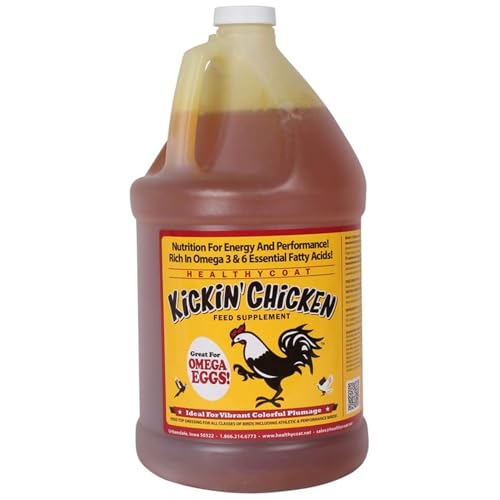
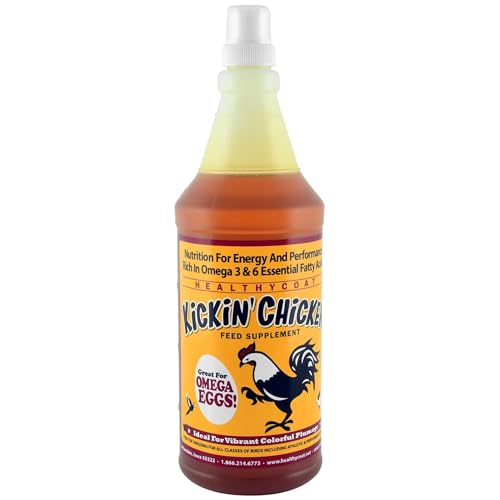
COMPLETE FLOCK CARE COMBO - Give your flock the best of both worlds with one 32 oz bottle of HealthyCoat Kickin' Chicken liquid supplement and one 2 lb bag of Kickin' Chicken Soft Baked Pecking Treats. Together they provide a simple way to support overall flock condition while offering a delicious enrichment treat chickens love.

SUPPORT SKIN & FEATHERS: Shine is formulated to protect and support all poultry species’ skin and feathers all year and especially during a molt.
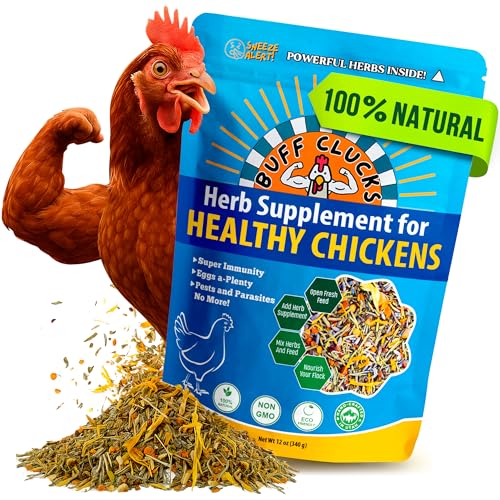
Herbs For Happy Hens: Packed with ingredients of oregano, basil, garlic, rosemary, red pepper, lavender, and calendula, this herbal chicken treat helps support your chickens. Supports strong immune systems, vibrant feathers, and calm nesting.
Supporting Your Flock Through Recovery
As your chickens redirect metabolic resources toward feather regeneration, you’ll need to adjust their nutritional support to sustain them through this demanding phase. Increase protein intake to 18-20% through high-quality layer feed or supplements, since feathers consist of 85% protein and greatly strain nutrient stores. Guarantee continuous access to fresh water and balanced nutrition to prevent skin infections and health complications during molt management. Additionally, consider using natural remedies like VetRx to aid in the recovery of your chickens during this time.
Monitor your flock for signs of stress, lethargy, or behavioral changes—these indicate normal energy redirection toward growth. Provide adequate insulation as worn feathers replace gradually, protecting against temperature fluctuations. While your chickens may appear withdrawn or less lively, maintain consistent care without intervention if they’re eating and drinking normally. Most flocks experience molting duration ranges from 3 to 16 weeks depending on individual factors like age and environment. This strategic molt management supports healthy feathers and accelerates recovery, typically spanning 4-16 weeks depending on individual birds.

PREMIUM CHICKEN FOOD FOR LAYING HENS WITH OMEGA-3: High-quality chicken layer feed made for strong egg production; fortified with chicken feed omega 3 & extra chicken feed calcium to support healthy shells & provide complete daily nutrition for your hens
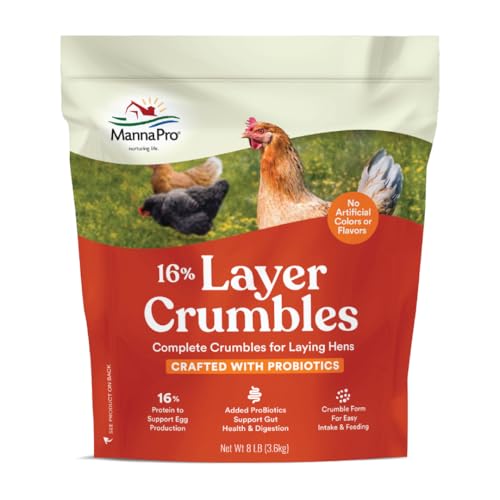
COMPLETE CHICKEN FEED FOR LAYING HENS: Manna Pro Chicken Feed delivers complete nutrition designed for laying hens, supporting strong egg production, healthy feathers, and overall wellness; balanced formula helps maintain optimal health in backyard flocks

ALWAYS PREMIUM NUTRITION: Our corn-free and soy-free chicken food 25lb (chicken feed 25 lb bag) is a complete diet for laying hens, boasting a guaranteed minimum of 17% protein. Your feathered friends will thrive on this super premium blend, producing top-quality organic whole chickens.