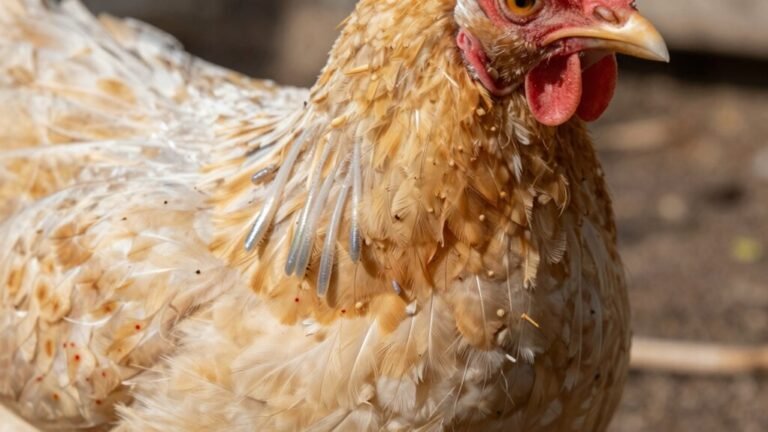
You’ll find Leghorn chickens thriving globally across commercial egg-production facilities, backyard operations, and research institutions. Industrial strains dominate poultry systems in developed nations, consistently delivering 280-320 eggs annually. Meanwhile, you’re raising them in low- and middle-income countries where families keep 5-15 birds for food security and premium egg sales. Rose comb Leghorns suit freezing climates, while standard varieties adapt to heat. International breeding programs in Canada, Germany, and Iran continue refining regional strains, reflecting diverse agricultural philosophies and climatic demands that shape their worldwide distribution.
Commercial Egg-Production Regions Worldwide
Because Leghorns dominate global egg production, they’ve become the standard breed across most major commercial operations worldwide. You’ll find them integral to commercial farming practices throughout North America, Europe, Australia, and beyond. Their adoption stems from proven performance metrics: industrial strains consistently deliver 280-320 eggs annually with superior feed efficiency ratios. Additionally, their ability to thrive in various climates allows them to be a preferred choice for diverse agricultural regions. Chickens’ diets must be managed carefully to ensure they receive nutritious food while avoiding harmful plants.
International trade has facilitated their proliferation since the 19th century. White Leghorns, originally exported from Italy’s Livorno port, now anchor egg industries across continents. You’ll observe their prevalence in large-scale operations because they align with modern production demands for high output at minimal cost. Their classification as soft feather – light category chickens enables efficient movement and reduced spatial requirements in commercial housing systems.
Their adaptability to various commercial housing systems makes them economically viable globally. Whether in intensive confinement or alternative systems, Leghorns maintain productivity standards that justify their continued dominance in competitive egg markets worldwide.
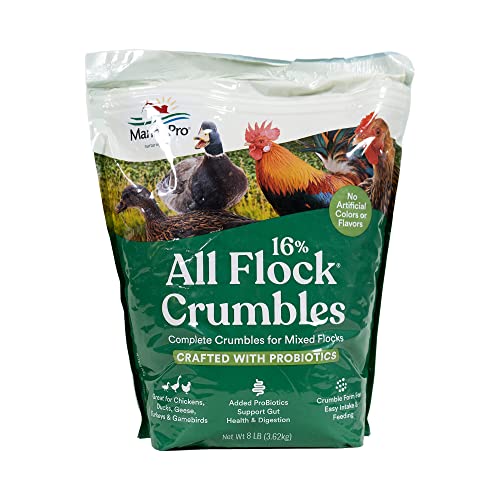
COMPLETE ALL FLOCK FEED FOR MIXED BACKYARD FLOCKS: Versatile poultry feed & all flock feed designed to support chickens, ducks, turkeys, geese, & more; a balanced bird food that simplifies feeding a diverse species in your backyard or homestead

COMPLETE ALL FLOCK FEED FOR MIXED BACKYARD FLOCKS: Versatile poultry feed & all flock feed designed to support chickens, ducks, turkeys, geese, & more; a balanced bird food that simplifies feeding a diverse species in your backyard or homestead

Boosts Egg Production & Stronger Eggshells: 16% protein layer pellets formulated to support consistent egg laying, improved yolk quality, and stronger shells for reliable daily production
Backyard and Hobby Farming Communities
While commercial operations prioritize industrial efficiency, backyard and hobby farmers have found that Leghorns deliver comparable productivity on a smaller scale. You’ll appreciate their exceptional egg-laying capacity—averaging five eggs weekly per hen—which maximizes backyard sustainability with minimal feed requirements. Hobbyist communities increasingly favor Leghorns because four hens consistently yield six dozen eggs monthly, supporting small-scale operations without commercial infrastructure.
You’ll find Leghorns thrive in mixed flocks across diverse climates, making them ideal for various homestead environments. Their excellent foraging abilities reduce feed costs substantially, and mushrooms can provide nutritional benefits for chickens when included in their diet. Their hardy nature accommodates different soil conditions. These traits position Leghorns as the most common breed in United States backyard flocks. Additionally, they are known for their consistent egg production, making them a reliable choice for new and experienced chicken keepers alike. Their three to four-year production lifespan makes them economically viable for hobbyist egg operations, establishing Leghorns as foundational breeds within sustainable, small-scale farming communities worldwide. Leghorns are very vocal birds, which many hobbyists appreciate for the constant activity and engagement they bring to backyard environments.

【All In One Chick Starter Kit】Chick brooder pen *1,brooder heating plate *1, chicken feeder&waterer*1,nesting pad*1,chicken perch *1,top cover *1,bottom pad *1,storage bag *1,peg *3. Designed with your chicks' health and well-being in mind, this essential set ensures they have everything they need to eat, play, and grow.

All-in-One Chick Brooder Kit:No more piecing things together!This baby chicken cage includes:a foldable octagonal brooding pen,a chicken feeder and waterer set,2 wooden chick perch,and a chicken heat plate.The moisture-resistant PVC pen keeps out wind,prevents escapes,and protects against predators,making it ideal for chicks,ducklings,quails,and more.From day one at home to the sixth week when they move to the outdoor coop,this all-in-one set covers all your brooding needs

COMPLETE STARTER KIT - Double-Tuf Chicken Starter Kit includes everything you need to keep baby chicks healthy and growing
Small-Scale Farming in Low- and Middle-Income Countries
Throughout rural communities in East Africa and beyond, backyard poultry systems represent a dominant agricultural subsector where families—particularly women—maintain 5–15 adult chickens on minimal land and feed resources. You’ll realize that over 99% of Ethiopian poultry production derives from these local chicken systems, making them integral to rural economies across low- and middle-income countries.
On smallholder farms, you can raise chickens affordably since they require minimal feed and space. This accessibility makes poultry rearing particularly suitable for resource-poor farmers seeking subsidiary income and employment. You’ll find that eggs and meat from these backyard operations command premium prices compared to commercial alternatives. While local chickens demonstrate strong adaptability and disease resistance, improved management practices are essential to increase productivity per bird in these traditional systems. Proper feeding and care routines will help ensure the health and longevity of the flock. Additionally, addressing aggressive pecking behavior through proper care can significantly enhance productivity. To support their growth into healthy chickens, it is essential to maintain clean food and water and ensure proper hygiene in their living environment. Crossbreeding local chickens with White Leghorns enhances productivity while preserving indigenous traits suited to challenging environmental conditions, ultimately strengthening household food security and rural economic development.

Versatile Treats: Aside from mixing it into chicken feed, you may also sprinkle the treats for chickens into dust baths or nesting boxes to provide a nutritious snack and ward off critters. This herb mix promote a clean coop, provides chickens with nutrition.

DUAL-NUTRIENT SUPPORT FOR DAILY VITALITY – Give your backyard flock targeted nutritional care with a S + Vitamin E formula. These complementary nutrients contribute to normal antioxidant functions, supporting balanced nutrition and everyday poultry wellness.

* Natural source of beneficial probiotics
Educational and Research Institutions
How do research institutions leverage White Leghorns to advance poultry science globally? You’ll find that universities and research centers prioritize this breed for genetic research due to its well-documented production traits. At the Roslin Institute, you’re examining infectious disease resistance through pathogen studies. UC Davis leads international academic collaborations identifying genes for Newcastle disease and heat resilience, directly supporting breeding programs in hunger-prone regions. Additionally, researchers are investigating the impact of chicken predators on flock survival, which is crucial for effective management practices. Dirty coops can lead to significant reductions in egg production, emphasizing the need for clean living environments for the hens. Iranian institutions utilize White Leghorns in crossbreeding studies, demonstrating heterosis benefits for native breed improvement. These facilities conduct diallel crosses evaluating egg production traits while contributing to disease genetics research. The Centre for Tropical Livestock Genetics and Health operates as a collaborative hub connecting poultry genomics research across multiple institutions to strengthen genetic studies in developing regions. Through coordinated genetic research across continents, you’re advancing sustainable poultry productivity and establishing evidence-based breeding strategies that benefit commercial and smallholder operations worldwide. Furthermore, understanding the nutritional needs of poultry, like grub worms, enhances their overall health and productivity, reinforcing the importance of integrated research in poultry management. Notably, offering homemade chicken treats crafted from wholesome ingredients can serve as a fantastic way to improve flock morale and overall well-being of hens. In addition, hatcheries like Cackle Hatchery are vital in providing quality chicks that support both research and practical poultry farming.
Performance Suitability Across Different Climates
Beyond the laboratory insights gained through genetic research, White Leghorns’ real-world performance hinges on their ability to thrive across diverse climatic zones. You’ll find that their heat adaptation capabilities stem from large combs and wattles facilitating thermoregulation, making them ideal for warm regions. However, their cold resilience presents challenges—single comb varieties face frostbite risk in freezing conditions, though rose comb leghorns offer improved protection. Understanding the chick stage of their life cycle can also aid in providing appropriate care during the early developmental phases. Chickens typically lay between 5 to 6 eggs per week on average, which is a significant factor in their overall productivity.
You can maximize performance by matching management strategies to your climate. In warm areas, provide adequate shade and ventilation to sustain high egg production. In cold regions, winterize coops with insulation and apply petroleum jelly to combs. Supplemental lighting maintains laying throughout winter. While less hardy than Australorps or Rhode Island Reds, leghorns remain versatile for most environments with proper precautions. Heritage leghorns demonstrate superior longevity compared to industrial strains, making them more suitable for long-term management in variable climates where sustained productivity matters beyond the first two years of production.

Heavy Duty Material,Effective for Protection—The clear see-through tarp is made of 16mil thick vinyl material,can withstand greater tensile strength,while enhancing the stability of clear tarp.Compared to other thin tarp, it is more effective to resist the bad influence of any weather conditions,windproof, waterproof, rainproof and snow proof, keeping your chicken coop and any covered spaces dry and warm.

Superior Thermal Reflection & Insulation High-performance double bubble white reflective foil insulation reflects up to 97% of radiant heat, keeping your space cooler in summer and warmer in winter.
Heavy Duty Material,Effective for Protection—The clear see-through tarp is made of 16mil thick vinyl material,can withstand greater tensile strength,while enhancing the stability of clear tarp.Compared to other thin tarp, it is more effective to resist the bad influence of any weather conditions,windproof, waterproof, rainproof and snow proof, keeping your chicken coop and any covered spaces dry and warm.
Exhibition and Fancy Breeding Circles
While commercial production dominates global egg supply, a distinct ecosystem of exhibition and fancy breeding communities has established itself around Leghorn genetics and aesthetics. You’ll find organized show networks spanning North America, Europe, Australia, and emerging circuits in Central and Eastern Europe. National poultry associations codify exhibition standards across recognized color and type variants, establishing judging criteria emphasizing conformation, plumage condition, and breed fidelity. Specialty breeder clubs maintain stud lists and mentorship programs, while heritage-breed organizations employ showmanship techniques to promote conservation efforts. Local poultry clubs coordinate sanctioned classes at agricultural shows, and online forums facilitate stock exchanges. These communities trace their passion to Leghorn’s Italian heritage, which originated in Tuscany during the 19th Century and has inspired dedicated breeding programs worldwide. You access elite exhibition genetics through specialized breeders rather than commercial hatcheries, supporting breeding practices focused on breed preservation and genetic diversity within standardized show parameters.
Regional Case Studies and National Breeding Programs
The global distribution of Leghorn genetics reveals how distinct breeding philosophies’ve shaped regional strains and national programs. You’ll find that regional breeding efforts maintain genetic diversity through specialized selection criteria tailored to local markets and environmental conditions. Canada’s Poultry Research Centre preserves Brown and White Leghorn strains selected for egg production rates of 250-300 annually, alongside disease resistance. Notably, Leghorns are known for their high egg production capabilities, similar to the prolific laying of ISA Browns. Germany’s Lohmann Tierzucht adapted White Leghorn strains for European markets using reciprocal recurrent selection, achieving 500,000 parent placements by 1970. Iran crossbreeds White Leghorns with indigenous Marandi chickens, creating heterotic hybrids for enhanced rural egg and meat production. The University of Saskatchewan has maintained Leghorn stock since 1974, contributing to long-term genetic preservation efforts across North America. These national programs demonstrate how you can leverage Leghorn genetics while maintaining genetic diversity and addressing region-specific production demands.