You’ll find white chicken breeds offer exceptional egg production, adaptability, and reliable temperaments for backyard flocks. White Leghorns deliver 280-320 eggs annually with superior feed efficiency, while dual-purpose varieties like White Plymouth Rock provide both eggs and meat. Australorps excel in winter laying, and ornamental breeds like Polish Chickens add visual appeal. California Whites combine modern efficiency with gentle dispositions ideal for urban settings. Each breed brings distinct advantages that’ll transform your flock’s productivity and management.
White Leghorn — Egg Production & Efficiency
When you’re seeking a breed that’ll maximize your egg output while minimizing feed costs, the White Leghorn stands as the gold standard for commercial and backyard operations alike. You’ll appreciate their exceptional feed efficiency—they convert feed to eggs at superior rates compared to other breeds. These hens produce 280-320 eggs annually, with consistent large to extra-large white eggs weighing at least 55 grams. You can expect them to start laying at 17-20 weeks of age, reaching peak production quickly. Their foraging ability greatly reduces your feeding expenses since they’ll actively forage and consume less feed relative to their egg output. The pure White Leghorn bloodline developed since 1936 ensures you’re getting proven genetics optimized for egg-laying performance. This economical breed delivers reliable, profitable egg production for your operation, making them a favorite in commercial egg production worldwide. In fact, these hens typically begin laying eggs around 4 to 5 months old, allowing for an early return on your investment. Many farmers choose Leghorns alongside other breeds like the Australorp for a highly productive flock, and their consistent egg color and size contributes to an appealing market presence. Over their productive lifespan, Leghorns can continue laying eggs efficiently for about 2 years, after which their production may gradually decline.
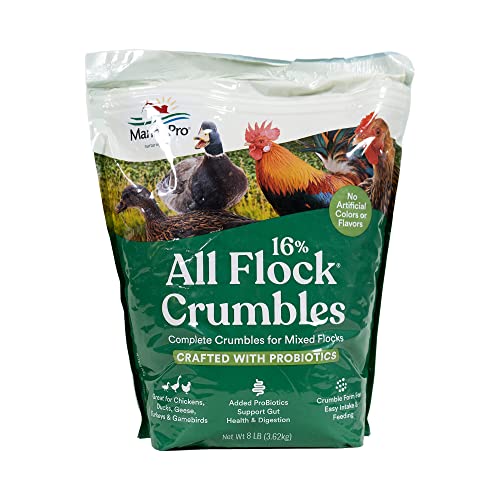
COMPLETE ALL FLOCK FEED FOR MIXED BACKYARD FLOCKS: Versatile poultry feed & all flock feed designed to support chickens, ducks, turkeys, geese, & more; a balanced bird food that simplifies feeding a diverse species in your backyard or homestead

COMPLETE ALL FLOCK FEED FOR MIXED BACKYARD FLOCKS: Versatile poultry feed & all flock feed designed to support chickens, ducks, turkeys, geese, & more; a balanced bird food that simplifies feeding a diverse species in your backyard or homestead

A Complete Feed Specifically Balanced for Pastured Poultry
White Plymouth Rock — Dual-Purpose Reliability
For those seeking a breed that balances egg production with meat quality, the White Plymouth Rock delivers reliable performance in both categories. This American-heritage breed produces approximately 200 large brown eggs annually while reaching market weight efficiently—hens at 7.5 pounds, roosters at 9.5 pounds. White Plymouth Rocks are notably hardy and adaptable to both hot and cold climates, making them suitable for diverse geographical regions and farming conditions. Additionally, maintaining proper gut health is essential for the overall well-being of your flock, which can influence their productivity. The right balance of nutrients in their diet, such as optimal protein levels, can further maximize their health and efficiency.
Plymouth Characteristics include a long, broad back with a full breast, white plumage, and yellow skin that simplifies processing. You’ll appreciate the breed’s calm temperament and foraging ability, making it ideal for backyard management.
Heritage Significance remains strong; the Plymouth Rock has graduated from conservation watchlists due to stable populations. The white variety’s combination of laying conformation and meat production makes it a practical choice when you want genuine dual-purpose functionality without compromising either objective.
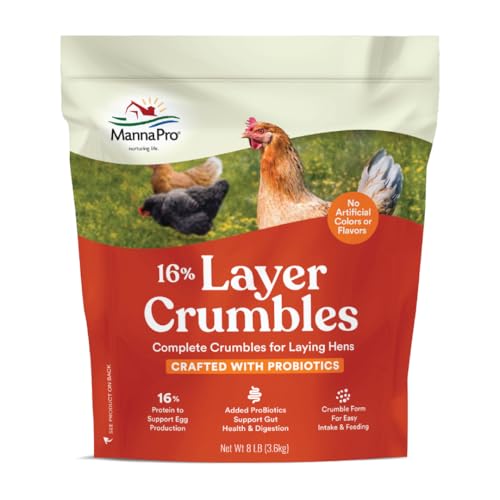
COMPLETE CHICKEN FEED FOR LAYING HENS: Manna Pro Chicken Feed delivers complete nutrition designed for laying hens, supporting strong egg production, healthy feathers, and overall wellness; balanced formula helps maintain optimal health in backyard flocks

Rich yellow yolks - A high level of xanthophyll, a coloring agent derived from marigolds, produces deep yellow egg yolks

5x the omega-3 per egg 250 mg versus 50 mg in a standard store-bought egg *When fed a diet of Layena+ Omega-3 exclusively for at least 3 weeks. Based on a large egg (56g). Results may vary with factors such as total diet and hen health. Compared to a typical egg that contains 50 mg omega-3 fatty acids
Barred Rock Variants — Versatility & Adaptability
Because you’re looking for a breed that adapts seamlessly to different farming systems, the Barred Rock delivers exceptional versatility across production environments. These chickens thrive in confinement or free-range setups, making barred rock characteristics ideal for various backyard configurations.
You’ll appreciate their dual-purpose utility—they’ll lay 200-250 brown eggs annually while offering meat production value. The breed’s cold hardiness and heat tolerance support consistent year-round laying, though you’ll need to monitor their single combs for frostbite in severe winters. Barred Rocks typically lay between 190 and 280 brown eggs per year, which further highlights their reliability as egg producers. Additionally, with proper care and management, such as nutritional support, you can maximize their egg output and maintain their health. Providing a diet with high protein levels is crucial for their optimal growth and egg production. It’s also important to ensure that your flock is protected against poultry pests to maintain their health and productivity.
Barred rock care remains straightforward since they’re low-maintenance and beginner-friendly. Their docile temperament means minimal flock conflict, and their active foraging instincts reduce supplemental feeding costs. Their frequent broodiness gives you natural incubation options, enhancing your self-sufficiency potential. With a typical lifespan of 3 to 7 years, you’ll have reliable layers throughout their productive prime.
White Orpington — Broodiness & Temperament
If you’re seeking a chicken breed that’ll naturally incubate and rear chicks while remaining exceptionally calm around your family, the White Orpington excels in both areas. This breed’s broodiness benefits include reliable natural chick-rearing capabilities, particularly in exhibition lines bred for maternal instinct. You’ll appreciate their temperament traits: gentle, docile, and non-aggressive despite their large frame. White Orpingtons won’t peck or intimidate children, making them ideal for family flocks. Their quiet demeanor integrates seamlessly with mixed-breed environments, though their calm nature leaves them vulnerable to bullying. Additionally, their soft plumage provides excellent cold tolerance, similar to that found in fluffy breeds like the Silkie. Like their Buff counterparts, you can expect excellent egg production alongside meat utility, with some sources noting that Orpingtons are known for producing around 250 large brown eggs annually. Large Orpingtons can reach weights of up to 8 pounds for hens, contributing to their impressive dual-purpose utility. Whether you prioritize egg-laying or broody tendencies, White Orpingtons deliver consistent performance and manageable handling characteristics suitable for beginner and experienced keepers alike. Their unwavering production of brown eggs throughout the year further adds to their appeal.
Australorp — Winter Laying & Family-Friendly Care
While White Orpingtons shine as broody mothers, Australorps bring a different utility to the backyard flock: they’re prolific winter layers with the calm temperament to match. You’ll typically harvest 200–300 large brown eggs annually, with many lines maintaining year-round production despite shorter daylight. To maximize winter laying, implement cold hardiness tips like providing slightly higher-calorie rations and guaranteeing unfrozen water access. Their dense plumage and moderate body mass offer natural insulation for freezing climates. Egg production strategies benefit from supplemental lighting during winter months—a welfare-compliant approach that reliably boosts output. Beyond productivity, Australorps’ docile nature makes them excellent for families and beginner keepers. Their low flightiness and forgiving behavior guarantee easy handling and confinement, though their gentleness means you’ll want to monitor flock dynamics with more aggressive breeds. As a heritage breed, Australorps are descendants of standard bred stock capable of natural reproduction, making them a sustainable choice for long-term backyard flock management.
White Jersey Giant — Meat and Presence
Developed in Burlington County, New Jersey during the 1880s, the White Jersey Giant stands as the largest breed in the American Class and delivers impressive dual-purpose utility for backyard flocks seeking both meat production and reliable egg output. You’ll appreciate their calm, docile temperament and commanding presence—roosters reaching 22-26 inches tall and weighing 13-15 pounds. Their white feather characteristics make them visually striking in any coop. While they’re slow to reach marketable meat quality, they’re worth the wait. You’ll collect 180-260 extra-large brown eggs annually, with consistent winter production. These cold and heat-hardy birds require ten square feet per bird and thrive as sustainable heritage stock for small-scale producers valuing both productivity and aesthetic appeal. It’s important to monitor their interactions with other birds, especially since turkeys can sometimes pose a threat during breeding season. Their robust physique contributes to their substantial size and heavy breed classification among poultry options. Additionally, providing them with nutritious weeds such as dandelions can enhance their diet and overall health.

Are you a Chicken Farmer and a passionate Chicken Lover? If you love Farming and Poultry this chicken coop family is your animal costume. This makes a chicken comic drawing gift for a Chicken Mom or a Chicken Dad, parents, grandpa and grandma.

Are you a Chicken Farmer and a passionate Chicken Lover? If you love Farming and Poultry this chicken coop family is your animal costume. This makes a chicken comic drawing gift for a Chicken Mom or a Chicken Dad, parents, grandpa and grandma.

Funny chicken graphic tee shows an open coop door with a thin frame and the words Coop Vocabulary, a playful chicken lover graphic tee for hobby farmers who enjoy a farm humor graphic shirt, pun graphics, and country humor at home.
White Sultan — Show and Ornamental Traits
The White Sultan represents ornamental poultry at its finest, offering you a striking show bird that’ll command attention in exhibition halls and backyard settings alike. You’ll appreciate its ornamental beauty through distinctive features: snow-white plumage, prominent crest, full beard, and muffs. The breed’s feathered shanks, toes, and vulrestrictor hocks meet exhibition standards perfectly. Rhode Island Reds are valued for their robust egg production alongside their ornamental counterparts. It’s fascinating to note that, like young chicks, the White Sultan can benefit from ornamental behavior in its developmental stages. Additionally, owners often choose breeds like the Easter Egger for their unique egg colors, complementing the visual appeal of a poultry collection. To ensure the health of your flock, consider the impact of pine shavings as bedding, given the concerns associated with its use.
As an APA-recognized breed since 1874, the White Sultan excels in show competitions despite its threatened heritage status. You’ll find these birds ideal for exhibition purposes rather than production, since they’re non-sitters with modest egg output of 50+ yearly. Their docile temperament and compact size make them manageable for backyard enthusiasts. The breed originates from Southeastern Europe, where it was historically bred in Turkey before being introduced to England in 1854. Consider this breed if you’re seeking an ornamental addition that showcases poultry’s aesthetic potential while maintaining gentle, family-friendly characteristics.
Polish Chickens — Crested Beauty & Specialty Breeding
Polish chickens captivate you with their distinctive large crests, supported by a bony skull prominence that gives these birds their signature appearance. You’ll appreciate their crown feathering, which differs between hens—featuring tidy pom-pom styles—and roosters with ruffled, mop-like formations.
These lightweight birds weigh 6 lbs for roosters and 4.5 lbs for hens, enabling strong flying ability. You can choose from bearded or non-bearded varieties in Golden, Silver, White, or Buff Laced colorations, plus White Crested Black options.
As primarily ornamental birds, they produce 150-200 medium-to-large white eggs yearly. You’ll find them calm and friendly, though easily startled due to vision restriction from their crests. In cold weather climates, ice accumulation in crests can occur and requires careful monitoring. They require well-ventilated, dry coops and benefit from regular crest monitoring to prevent picking and pest issues.
Ancona & Andalusian — Prolific White-Egg Layers
If you’re prioritizing egg production over ornamental appeal, Ancona and Andalusian chickens deliver exceptional performance.
Ancona characteristics include rapid maturity at 16-20 weeks, yielding roughly 220 large white eggs annually with superior winter laying. These flighty, active foragers weigh 4-4.5 lbs and display striking black plumage with white mottling. Their strong shells and excellent feed-to-egg ratio make them economically attractive. However, they’re poorly suited to confinement and require free-range environments. Anconas are excellent foragers, which helps maintain low feed costs while sustaining high productivity. Additionally, their prolific egg output aligns well with other breeds like the Red Star, known for high egg production. On average, hens from high-producing breeds can lay between 5 to 6 eggs per week, enhancing their overall productivity. Additionally, optimal nutrition with high-quality feed enables these chickens to thrive and maximize egg production. Providing them with unlimited access to a complete feed contributes significantly to their overall health and productivity. Chickens like Ancona thrive when provided with a balanced nutrition regimen tailored to their life stages to optimize growth and egg-laying capabilities.
Andalusian advantages center on consistent white egg production comparable to Leghorns. This Mediterranean breed matures early, extends your laying season substantially, and demonstrates impressive winter performance. Andalusians are heat-tolerant, lightweight, and active foragers with non-broody tendencies. Both breeds reward extensive ranging with reliable productivity while demanding space and freedom.

ALWAYS PREMIUM NUTRITION: Our corn-free and soy-free chicken food is a complete diet for laying hens, boasting a guaranteed minimum of 17% protein. Your feathered friends will thrive on this super premium blend, producing top-quality organic whole chickens.

Superior calcium from Oolitic Aragonite: Provides high-quality calcium sourced from naturally occurring Oolitic Aragonite for optimal poultry nutrition

Nutritious Formula: Made with quality grains, seeds and protein sources to provide chickens with essential vitamins, minerals and amino acids for healthy growth and egg production.
California White — Modern Backyard Efficiency
California White chickens represent a modern solution for backyard flocks seeking maximum egg production without sacrificing temperament. Created in the 1950s from White Leghorn and California Grey stock, these hybrids deliver 280-300+ large white eggs annually while remaining particularly calmer than their Leghorn ancestors.
California White Traits distinguish them through their distinctive white plumage with random black spotting and larger, more rounded frames than standard Leghorns. Hens weigh 4.5-5.5 pounds, while roosters reach 5.5-7 pounds. Their white feathers may attract predators, so supervised free ranging is necessary to protect your investment. Interestingly, the larger frame of these hybrids contributes to their size variations compared to bantams and smaller breeds. Overall, their productivity makes them comparable to other breeds like Rhode Island Reds, known for laying 280 to 300 large brown eggs per year. Cuckoo Marans, for instance, are also recognized for their egg production of 150 to 250 large dark brown eggs annually. Additionally, California Whites are valued for their ability to maintain better laying rates in winter, much like other prolific layers. Maintaining good hygiene helps mitigate issues such as salpingitis that can affect egg production.
Egg Production Efficiency peaks around 17 weeks of age, making them ideal for small-scale operations. Their cold and heat hardiness guarantees reliable performance across varied climates. You’ll appreciate their docile nature, minimal broodiness, and tolerance for confinement—perfect for urban settings where space limitations demand practical solutions.