You’ll distinguish molting from mites by examining feather loss patterns. Molting produces symmetric bare patches with pin feathers emerging, while mites cause irregular loss concentrated around vents. Check your chickens’ combs and wattles—they’ll fade to light pink during molting but remain inflamed with mites. Observe behavior too: molting birds show reduced activity while maintaining appetite, whereas mite-infested chickens display persistent scratching and nighttime restlessness. These diagnostic markers reveal which condition you’re facing.
Understanding the Molting Process in Chickens
Whether you’re a novice keeper or experienced handler, recognizing molting‘s physiological basis helps you distinguish normal feather replacement from illness or nutritional deficiency. Molting is a natural, cyclical process where your chickens systematically shed and regenerate feathers—typically occurring once annually, beginning around 14–18 months of age in adults. During this time, the frequency of laying may decrease, as most hens will generally lay an egg every two out of three days, allowing the body to focus on feather regeneration rather than egg production. This process is triggered by the decrease in daylight, which signals the start of molting. Additionally, incorporating nutritious foods like beets in their diet can further support feather regeneration.
Interestingly, providing olive oil as an occasional treat during the molting phase can support the chickens’ overall health and feather quality due to its beneficial properties. The molt duration typically ranges from 4–12 weeks, though some birds require up to three months for complete feather growth. Understanding this timeline prevents misdiagnosis of normal molt as disease. Feather growth demands substantial metabolic resources because feathers comprise approximately 85% protein. During this period, your chickens redirect energy from egg production to feather synthesis, explaining the temporary cessation of laying and reduced feed intake you’ll observe. Molting also aids in eliminating external parasites such as mites and lice, which can compromise feather health and overall well-being. This physiological reallocation is entirely expected and healthy.

{Healthy Flock} Proper nutrition and a well-balanced microbiome can help your poultry defend against dangerous pathogens. Brewer's Yeast with Probiotics, Prebiotics and Niacin can help achieve exceptional health in your flock
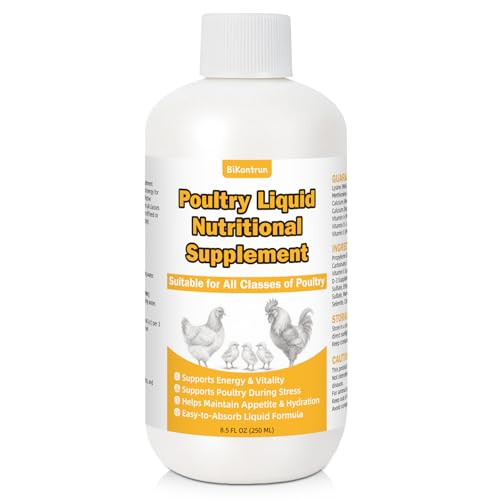
Supports Natural Immune Function & Nutritional Balance: Provides essential poultry vitamins and electrolyte support to help maintain normal immune function and overall vitality. Especially beneficial for weak chickens or birds experiencing seasonal stress and nutritional gaps
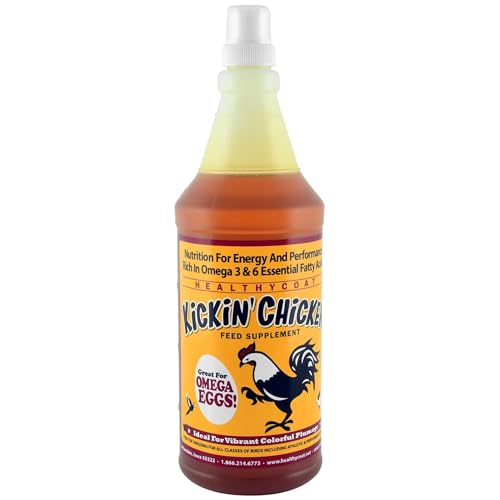
Reduces stress due to molting
Recognizing Mite Infestation Symptoms
While molting presents as a predictable, temporary condition, mite infestation demands immediate intervention—and distinguishing between the two hinges on identifying specific clinical indicators. You’ll observe concentrated irritation around the vent area, accompanied by black debris or clumped excrement. Your birds display excessive scratching, feather-pulling, and bald patches from relentless itching. Pale combs and wattles signal anaemia from blood loss, while dull, ragged feathers and weight loss indicate systemic stress. Northern fowl mites can multiply rapidly, causing significant disruptions in your flock, as these pests can quickly overtake a healthy bird. Mites typically spread through direct contact with infected birds, leading to a rapid increase in their population. Egg production drops markedly, with dark specks or blood spots appearing on shells. Regular monitoring is essential for detecting these parasites early and preventing more significant health complications in your flock. Effective treatment methods can help restore the health of your chickens and reduce mite populations.
Detection involves using a torch at night to spot tiny red, grey, or black mites, or running a white paper towel under perches to reveal red streaks. Once confirmed, treatment options include targeted pesticides, dust baths with diatomaceous earth, and thorough coop sanitation to eliminate mites infestation effectively.
Analyzing Feather Loss Patterns
To distinguish molting from other causes of feather loss, you’ll need to analyze the pattern and progression carefully. Observe whether the feather loss follows a predictable sequence: beginning at the head and neck, then proceeding down the back to the breast, wings, and tail. True molting exhibits loss symmetry across both sides of your chicken’s body, creating uniform bare patches rather than random, asymmetrical damage.
Check for pin feathers—emerging new growth beneath old ones—which confirm natural molting. Parasitic infestations typically leave irregular bald patches without this organized feather growth pattern. Illness rarely affects entire flocks uniformly. The hallmark of legitimate molting is its orderly progression and symmetrical distribution. This systematic approach enables you to confidently differentiate molting from mites or other health issues affecting your flock. Additionally, temperature changes and seasonal transitions often trigger predictable molting cycles in adult chickens, whereas mites can cause feather loss at any time of year.

Gentle Poultry Care Spray for Daily Use: Non-stinging chicken wound spray for poultry care and everyday flock skin support. Safe if pecked or ingested with no egg withdrawal for laying hens. Helps with pecking irritations, bumblefoot care, minor wounds, and vent-area support. Antibiotic and steroid free formula suitable for chickens, hens, roosters, and backyard flocks.
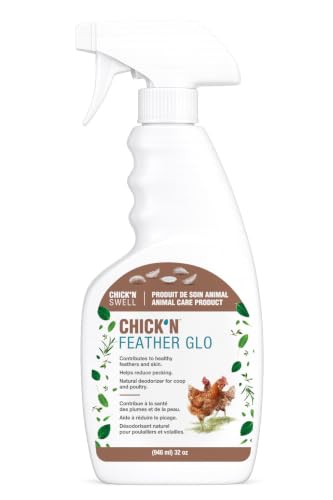
NATURAL ESSENTIAL OILS FOR POULTRY, BIRDS AND ALL FOWL: Improves feather texture and resilience in birds -Chick’n Feather Glo is veterinarian and farm approved.

ACCELERATED MOLTING & PLUCKING RECOVERY: Formulated to support the biological demands of feather production, this high-potency blend provides the essential amino acids and proteins required for keratin synthesis. By replenishing the specific nutrients consumed during heavy molts, it stabilizes the feather cycle and helps soothe the skin irritation that often triggers plucking. This targeted nutritional support ensures a faster transition from itchy pinfeathers to full, vibrant plumage while maintaining your bird's metabolic energy.
Examining Physical Changes in Combs and Wattles
Your chicken’s combs and wattles undergo distinctive physical changes during molting that’ll help you distinguish the process from mite infestations. During molt, you’ll observe a marked color shift from bright red to light pink or ashy-gray tones as egg production ceases. Simultaneously, you’ll notice significant size reduction—the combs and wattles shrink noticeably and lose their plump appearance. This process can be exacerbated if the chickens are experiencing other health issues such as calcium deficiency, which can further impede their overall well-being. ISA Brown chickens typically have a shorter lifespan due to their breeding for high egg production, which can also impact their health during molting.
These changes correlate directly with feather replacement and metabolic shifts. Once molting completes and laying resumes, the bright red coloration and normal plump size return predictably. A fecal float test can help rule out parasitic infections that might otherwise delay recovery.
Mite infestations present differently: you’ll see gray or white discoloration, crusty skin development, scabbing, and raised scales rather than uniform color shifts and shrinkage. Healthy appetite and normal activity accompanying comb changes support molt diagnosis over parasitic infection.

Premium Natural Collagen: AcidOur Collagen is naturally sourced from rooster comb, featuring superior bioavailability for enhanced absorption and maximum effectiveness, supporting your body from the inside out.

COMPLETE FLOCK CARE COMBO - Give your flock the best of both worlds with one 32 oz bottle of HealthyCoat Kickin' Chicken liquid supplement and one 2 lb bag of Kickin' Chicken Soft Baked Pecking Treats. Together they provide a simple way to support overall flock condition while offering a delicious enrichment treat chickens love.

Premium Natural Collagen: AcidOur Collagen is naturally sourced from rooster comb, featuring superior bioavailability for enhanced absorption and maximum effectiveness, supporting your body from the inside out.
Observing Behavioral Differences Between Conditions
Because behavioral changes often precede or accompany physical symptoms, observing how your chickens act during suspected molting provides critical diagnostic information. During molt, you’ll notice reduced activity as energy redirects toward feather regrowth, yet your birds maintain normal appetite and sleep patterns. Mite-infested chickens display markedly different stress reactions: restlessness, nocturnal activity disruption, and frantic scratching that persists throughout night hours. Examine roosting dynamics carefully—molting produces temporary irritability while maintaining social hierarchy, whereas mites trigger displacement from preferred perches due to nighttime biting and increased aggression, including feather pecking. Importantly, mite-infested chickens may also show signs of pale combs due to anemia as a result of blood loss from persistent feeding. Consequently, it is crucial to monitor for reduced blood circulation that might indicate further health issues. Additionally, providing safe treats such as fresh fruit can help maintain your chickens’ health during stressful periods. Monitoring your flock for environmental stressors is also essential, as deep cleaning the coop can minimize the risk of mite infestations. Monitor preening intensity; calm, focused grooming indicates molt, while intense, repetitive scratching targeting specific body areas (vent, underwings, neck) signals parasite infestation. Red mites remain active primarily at night, feeding and causing the persistent nocturnal disturbances that distinguish mite infestations from the daytime behavioral shifts typical of molting birds. Behavioral observations distinguish these conditions reliably when paired with physical examination findings.
Identifying the Presence of Pin Feathers
Pin feathers—the waxy-shafted new growth emerging during molt—provide definitive evidence that your chickens are undergoing feather replacement rather than suffering from parasitic infestation. You can identify pin feathers by parting your bird’s feathers to reveal short, stiff spikes underneath. These emerging feathers appear as blood-filled, shiny protrusions in patchy areas, resembling porcupine quills. Their uniform, waxy casings distinguish them from mite damage, which presents irregularly and lacks this distinctive coating. Observing feather development progresses predictably: pins first appear on the head, advance to the back and breast, then emerge on wings and tail last. In addition to monitoring feathers, providing a clean coop environment can help mitigate mite control issues and support healthy molting, as good hygiene practices also prevent reproductive tract infections. Handling pin feathers cautiously, as they’re sensitive and contain active blood supplies that bleed if damaged. The delicate pin feathers require careful attention during this phase to prevent discomfort and allow proper feather development.
Determining Timing and Seasonal Factors
However, geographic variations greatly influence molt timing. Birds in milder climates may start earlier or later than those in colder regions. Temperature acts as a secondary modifier; light duration remains the primary driver.
If your flock shows feather loss outside autumn or displays asynchronous molting patterns across individuals, suspect stressors—nutritional deficits, parasites, or environmental changes—rather than seasonal molt. During molt, chickens require increased protein intake to support feather regrowth, as feathers are predominantly protein-based structures essential for winter preparation. This seasonal natural molting process is crucial for maintaining their health and preparation for colder months.