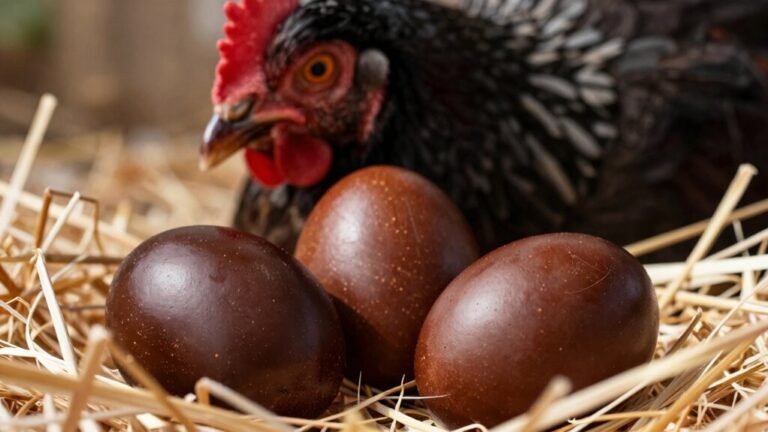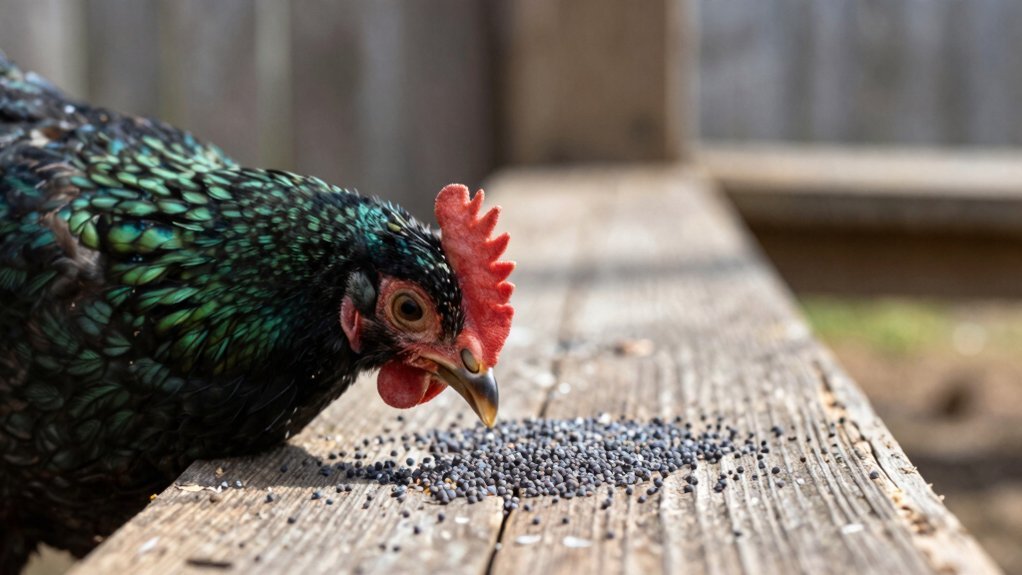
You’re probably wondering if those tiny poppy seeds from bakery scraps are a harmless treat or a hidden poison for your chickens. Here’s the thing: poppy seeds contain morphine (≈20‑300 µg/g) and codeine (≈3‑14 µg/g), and as little as 1/16 oz (about two teaspoons) can kill a 2‑lb bird, so they’re definitely toxic, not a snack. Now, keep them out of the coop, replace them with safe seeds like sunflower or pumpkin, and call a vet immediately if you see tremors, lethargy, or breathing trouble.
Are Poppy Seeds Safe for Chickens? (Bottom‑Line Answer)
Are poppy seeds safe for chickens? You’re right to wonder, because the answer isn’t obvious. The bottom line: treat them like a poison pill, not a snack. Even tiny residues of opium alkaloids can wreck a chicken’s liver and nervous system, so you should never make poppy seeds a regular feed.
What makes them risky?
Here’s the thing: seed sourcing methods matter. Wild or low‑quality pods often carry higher alkaloid profiles, while carefully cleaned commercial seeds still contain trace opiates. Chickens can’t metabolize these compounds like humans, so a 1/16 oz dose may kill a 2‑pound bird, while a crumb on bread poses less danger. Just as apple seeds contain cyanide compounds that are lethal to your flock, poppy seeds harbor alkaloids that chickens cannot safely process. This risk is similar to how green potato skins contain solanine, a toxin that causes severe health problems or death in chickens. Additionally, onions in large amounts can cause anemia and jaundice, proving that many common kitchen items pose hidden dangers to poultry health.
What should you do?
Obviously, keep poppy seed products out of coop access and free‑range zones. If you spot spilled baking ingredients, clean them up fast. Choose safer seed treats instead.
Takeaway: Avoid poppy seeds altogether; they’re not a reliable, safe feed. Next, check which seed treats are proven safe for your flock.
What Immediate Steps Should I Take if My Chickens Eat Poppy Seeds?
If your chickens have gotten into poppy seeds, you’re probably wondering what to do next.
How do I stop further exposure?
First, pull the contaminated feed and any bakery scraps from the coop. Sweep the floor, clean pans, and separate that food from the rest of the ration. Keep other birds away from the area.
What should I watch for?
Observe for depression, weakness, labored breathing, tremors, or trouble standing. Treat any sudden neurologic change as an emergency. Just as significant amounts of caffeine can cause stunted growth and organ failure in poultry, certain seed toxins require immediate attention to prevent liver damage and other severe health issues. Remember that while some human foods are safe treats, you must always avoid toxic foods like avocado or white potatoes that contain harmful compounds. Much like the aggressive reseeding nature of foxglove, scattered seeds can lead to widespread accidental poisoning if not cleaned up thoroughly.
Who can help right now?
Call an avian or poultry‑experienced vet immediately. Give them the amount eaten, bird age, weight, and any symptoms.
How can I support recovery while waiting?
Provide fresh water, keep birds warm and quiet, and isolate symptomatic individuals. Avoid force‑feeding or unapproved remedies.
What records should I keep?
Log food type, quantity, ingestion time, and each bird’s signs. This aids rapid detoxification and supportive recovery.
Takeaway: Act fast, clean up, monitor, and call a vet. Next, follow the vet’s guidance for treatment.
Maintain a consistent proportion of commercial layer feed to ensure essential nutrients while addressing any dietary imbalance.
Which Opium Alkaloids in Poppy Seeds Threaten Chickens?
A handful of poppy seeds can carry a surprisingly potent cocktail of opium alkaloids, and you’re right to wonder which ones actually threaten your chickens.
Which alkaloids matter most?
Morphine tops the list. EFSA and FDA flag it as the primary culprit, with an acute reference dose of 10 µg per kilogram body weight. Even tiny feed contamination sources can push your flock into poultry neurotoxicity. Codeine follows, adding about 20 % of morphine’s potency when converted to morphine equivalents, so the total opioid load climbs quickly.
What about the less‑studied ones?
Thebaine raises eyebrows because data are sparse, yet regulators advise cutting it as low as possible. Oripavine, noscapine, and papaverine sit lower on the danger scale, but their combined presence still nudges risk upward.
Takeaway
Focus on morphine and codeine levels when you assess seed quality; the others are secondary but not negligible. Next, check your feed’s source and test for these alkaloids before offering any poppy seeds to your birds. Just as you must avoid harmful scraps to prevent nutrient dilution and health problems, introducing seeds with opium alkaloids poses a similar risk of toxicity that outweighs any potential treat value. Similar to how moldy feed produces dangerous toxins that cause fatal liver damage, consuming seeds containing these potent compounds can lead to severe illness or death in your flock. Feeding moldy bread to chickens is also unsafe because it exposes them to toxic molds that can weaken immune systems and cause death.
Toxic Poppy Seed Doses & Symptoms for Chickens?
How much poppy seed is actually dangerous for a chicken? You’re probably wondering if a pinch could kill a bird. Here’s the thing: as little as 1/16 ounce—about two teaspoons—can be fatal for a 2‑pound chicken, especially if it’s a young or lightweight bird. Even processed poppy products from baked goods can hide that amount, and home garden risks increase when sap‑stained seeds fall into the coop.
What symptoms should you watch for? Severe respiratory distress shows up first, followed by depression, lethargy, and muscle tremors. In worst cases, seizures, paralysis, and death occur within hours. The dose‑response curve isn’t linear; alkaloid levels vary, so any exposure is a red flag. While poultry generally avoid consuming toxic plants unless no other food is available, deliberate feeding is not recommended due to potential poisoning risks similar to those posed by pokeweed. Just as chickens may encounter harmful ant species while foraging that can bite or carry toxins, accidental ingestion of poppy seeds presents a comparable threat that requires vigilance.
Takeaway: treat any poppy seed presence as a potential poison. Remove the source, monitor breathing and coordination, and call a vet immediately if you see those signs. Next, consider how you’ll keep processed poppy products out of reach. Much like the toxin called persin found in avocado parts that can cause death in poultry, poppy seeds contain alkaloids that require extreme caution to prevent accidental ingestion and serious health issues.
What Actually Happens When Chickens Eat Poppy Seeds?
What actually happens when chickens eat poppy seeds? You’re probably wondering why a tiny seed can knock out a bird. Seed varieties differ: *Papaver somniferum* seeds carry morphine (17‑294 µg/g) and codeine (3‑14 µg/g), while Mexican *Argemone* seeds hold isoquinoline alkaloids. Once ingested, alkaloid metabolism kicks in quickly, depressing the nervous and respiratory systems. You’ll see lethargy, tremors, or even seizures within hours; a 2‑lb chicken can die from as little as 1/16 oz. Young birds suffer most because their bodies can’t process the toxins fast enough. The result is rapid organ failure, not a slow stomach upset. Takeaway: Even a pinch can be lethal—watch what seeds you sprinkle. Next step? Check which seed varieties you’re storing before you feed your flock. Just as securely storing bulk feed prevents rats from attacking vulnerable birds, keeping toxic seeds inaccessible ensures your flock remains safe from accidental poisoning. Unlike safe kitchen scraps that should only supplement a balanced diet, poppy seeds introduce immediate toxicity rather than nutritional value. Selecting docile and hardy breeds** for your backyard farm can further reduce stress-related health issues, ensuring your flock is robust enough to handle minor environmental challenges without compromising their safety.
Safe Treats to Replace Poppy Seeds for Chickens?
You’re probably wondering which snack can give your flock the same crunch without the danger. Seed selection matters: sunflower seeds (BOSS or shelled) give protein and fat, while pumpkin and sesame seeds add variety. Treat rotation keeps boredom at bay, so sprinkle a mix of chia, sprouted barley, and cracked corn throughout the day. Specifically, black oil sunflower seeds feature thinner hulls that are easier to digest while providing essential nutrients for glossy feathers and warmth.
What can you offer besides seeds? Scratch grains with oats, chicken scratch blends, or a hollowed pumpkin stuffed with mealworms provide texture and enrichment. Fresh produce like cucumber, blueberries, or kale adds vitamins without risk.
Takeaway: swap poppy seeds for a rotating combo of safe seeds, grains, and fruit, and watch your chickens thrive. Ready to plan your next treat day?
When Should I Call a Vet for Poppy Seed Poisoning in Chickens?
When did you notice your chickens acting oddly after a poppy‑seed snack? If they stumble, tremor, or can’t stand, call a vet now—those neurologic signs signal serious toxicosis. Severe lethargy, collapse, or open‑mouth breathing also demand immediate help, as does rapid decline after eating a suspect feed. While open-mouth breathing can indicate poisoning, it is also a critical symptom of respiratory infections or airway obstructions that require prompt veterinary diagnosis to prevent severe complications.
Here’s the thing: any unknown ingredient in scratch grain or a new feed mix should raise alarm, especially if rodents, pesticides, or moldy grain are nearby. Keep records of exposure time, amount eaten, and number of birds; this speeds diagnosis.
All right, consider flock‑level clues. If several birds show incoordination or sudden appetite loss, you likely have a shared contamination issue. Check feed storage and farm biosecurity to prevent future incidents. Remember that treating secondary bacterial issues often requires veterinary supervision to ensure compliance with federal regulations regarding antibiotic use in poultry.
Takeaway: call a poultry‑trained vet at the first sign of neurologic or respiratory distress, and have exposure details ready. Next step? Review your feed storage practices and secure your farm biosecurity. While addressing respiratory distress often involves early veterinary consultation to determine the specific cause before prescribing antibiotics, immediate intervention for suspected poisoning focuses on stabilizing the bird and identifying the toxin.