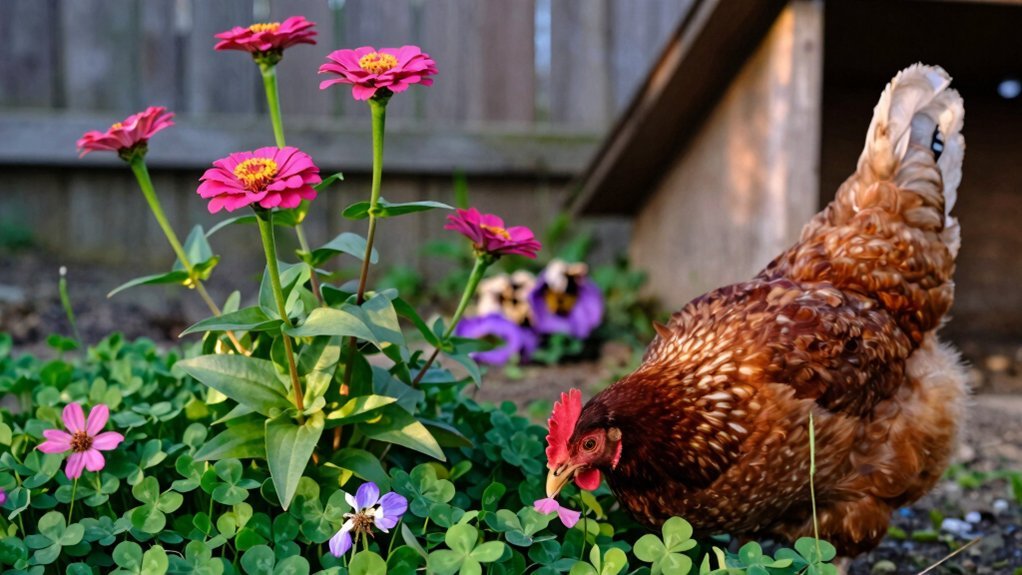
You’re right to wonder if zinnias are safe for chickens, and the short answer is yes—these bright blooms are non‑toxic, low‑calorie treats you can offer a few times a week once birds are six weeks old, as long as you keep them fresh, pesticide‑free, and serve only petals and tender stems. They add about 20–30 kcal per 100 g, hydrate with 85‑90 % water, and give a tiny boost of protein, carbs, vitamins A, C, K, plus carotenoids for yolk color. Just rinse, pat dry, cut stems into bite‑size pieces, and watch for tentative pecks—if they ignore them, try a different flower.
Are Chickens Safe to Eat Zinnias?
Are you wondering whether your chickens can safely peck at zinnia flowers? You’re on the right track. Zinnias are non‑toxic, so petals, leaves, and stems won’t poison your flock. Obviously, you must verify plant identification before letting them roam—mistaking a similar‑looking toxic species could cause trouble. This vigilance is essential because gardens often contain dangerous species like foxglove and rhubarb leaves that can cause severe poisoning or death if ingested. Now, consider cultivation practices. Grow zinnias without pesticides or herbicides, and keep them well‑drained to avoid mold. If you use organic seeds and hand‑water, you eliminate chemical residues that could harm chickens. All right, watch flock behavior. Chickens love soft petals and young seedlings; they’ll nibble mature stems only if hungry. Provide a small, untreated patch, and you’ll see them enjoy a safe, colorful snack. Takeaway: Proper identification and clean cultivation make zinnias a harmless treat. Ready to test a tiny patch and observe? Additionally, just as with common garden weeds, you should avoid feeding plants collected from roadside areas to ensure your flock remains free from environmental contaminants. You must also ensure the flowers are free from moldy food particles, as consuming mold can lead to severe health issues or death in chickens.
What Nutrients Do Zinnias Provide Chickens?
If you’re wondering exactly what zinnias add to your chickens’ diet, you’ve hit the right spot. Zinnias are low‑calorie treats, about 20–30 kcal per 100 g, and they’re 85–90 % water, so they hydrate without filling up the flock. Their mild fiber aids digestion, while the leaves supply tiny amounts of protein, carbohydrates, and a splash of vitamin A, C, and K.
Here’s the thing: carotenoid pigments in the petals boost pigment enhancement, giving yolks a richer yellow‑orange hue. The same pigments act as antioxidants, offering modest health support.
All right, the real benefit is diet diversification. Adding a handful of fresh zinnias gives your birds variety, calcium calcium and iron, and niacin, though you shouldn’t count on them for major mineral needs. Like pumpkin seeds that naturally deworm chickens, zinnias offer specific functional benefits beyond basic nutrition while encouraging natural foraging behaviors. It is important to remember that while treats like raw pumpkin seeds provide nutritional value, they are not effective dewormers and should not replace proper veterinary treatments. Just as with fruits, offering these flowers in moderation helps prevent digestive issues that can arise from overfeeding treats.
Takeaway: Zinnias enrich flavor and color, not calories. Next, learn how to prepare them safely for your flock.
How Should You Prepare Zinnias for Chickens?
When you wonder how to get the most out of zinnias for your flock, you’ve asked the right question. First, follow Freshness guidelines: harvest just before feeding, use blooms within a few hours, and toss any wilted or moldy petals. Rinse gently in cool water, pat dry, and cut thick stems into bite‑size pieces. If you have younger birds, crush or mash softer parts for easy chewing. Sprouted grains can supplement their diet when fresh flowers are scarce. Here’s the thing about Cooking methods: raw zinnias are ideal, but a quick blanch or light sauté can soften petals if you prefer. Don’t overcook—mushy petals lose texture and nutrients. Mix the chopped flowers with other greens or sprinkle dried petals on feed for a tasty garnish, ensuring you avoid adding any harmful additives like salt. All right, the takeaway: keep it fresh, keep it simple, and treat zinnias as an occasional snack. Just as cabbage offers various vitamins and minerals to support flock health, zinnias provide a safe and nutritious botanical treat when prepared correctly. Remember that treats should only make up 10% of diet to prevent nutritional imbalances while reducing food waste. Next, consider how to protect your young zinnia plants from keen chickens.
How Can You Protect Young Zinnia Plants From Chickens?
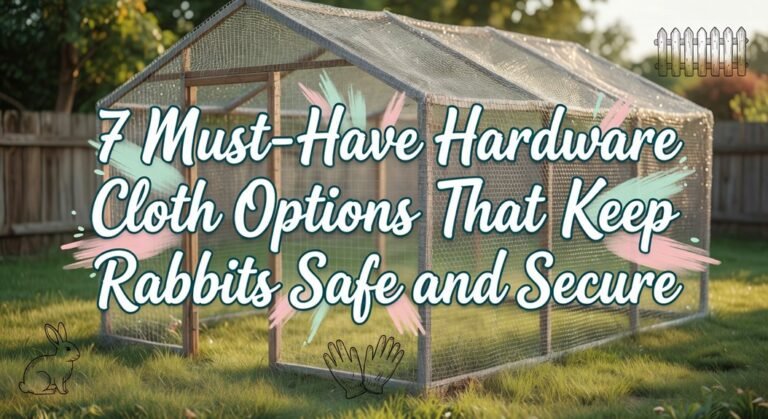
You’re probably wondering why your tiny zinnia seedlings keep disappearing, and you’re right to ask—chickens love to scratch and peck anything that looks edible. First, wrap each seedling in a hoop of chicken wire or hardware cloth, securing the mesh with landscape staples; this creates a mini‑cage that lets light and rain through but stops claws.
Now, set up a larger enclosure around the whole bed using breathable garden cages; keep the fence at least 12 inches tall so chickens can’t hop over, and consider burying the bottom edge or adding an apron to prevent underground digging by determined birds.
Here’s the thing: combine that physical barrier with coop confinement and feeder distractions. Keep your flock well fed and give them a dedicated scratching area away from the zinnias.
All right, add a few heavy rocks or edging around the seedlings to block foot traffic, and mulch over the mesh to hide it from curious birds. You can also spray chickens with water to deter them from approaching vulnerable plants when supervision isn’t possible.
Takeaway: a simple mesh cage plus a well‑managed coop and tasty distractions will keep your young zinnias safe until they grow sturdy. Next, consider when to start offering the plants to your chickens. Seeds are hearty and will grow anywhere with dirt, sunshine, and water. Additionally, planting spiky shrubs around the garden perimeter can serve as a natural deterrent to keep chickens from entering the area in the first place.
When Is the Best Time to Offer Zinnias?
You’ve figured out how to keep your zinnia seedlings safe, but now you’re wondering when to actually let your chickens taste them. The answer hinges on seasonal timing and developmental timing.
When should you start?
You should wait until the birds reach about six weeks old, when they’ve outgrown starter feed. At that stage, a few fresh blooms become a harmless treat, not a daily staple. However, since young chicks require specially formulated chick starter with around 18% protein for proper early growth, it is crucial to ensure they are fully transitioned off this high-protein diet before introducing floral treats. During those critical first weeks, maintaining daily cleaning of feeders and waterers is essential to prevent disease while their immune systems develop. If your flock was not vaccinated against coccidiosis, you might have previously relied on medicated chick starter containing amprolium to build immunity during these vulnerable early weeks.
How often?
Offer zinnias once or twice a week, keeping the portion to a handful per flock—roughly 5‑10 % of their total diet.
Best season?
Spring kicks off the window, but summer is ideal because blooms are plentiful and fresh. If you grow indoors, you can extend the season, but always choose untreated, vibrant flowers.
Takeaway
Match the treat to your flock’s age, give it sparingly, and align it with peak bloom season for maximum benefit.
What’s the next step for integrating these treats into your daily routine?
Which Safe Flowers Pair Well With Zinnias?
Which safe flowers pair well with zinnias? You’re probably wondering which companions boost pollinator attraction while delivering pest reduction.
Marigolds are the classic match. Their strong scent deters aphids, whiteflies, and beetles, and their bright blooms draw bees and butterflies. They love the same full‑sun, well‑draining soil as zinnias, so you’ll see a seamless color contrast and healthier plants. Beyond garden benefits, feeding these flowers to your flock provides antioxidants and nutrients that support immune health and improve egg yolk color.
Cosmos share those sun requirements and add airy, airy tops that invite pollinators. Their loose growth doesn’t crowd zinnias, and they help keep pest pressure low.
Sunflowers give vertical height, creating a backdrop that attracts birds and beneficial insects, while Salvia‘s spiky flowers lure hummingbirds and reduce aphid numbers.
Sweet alyssum and herbs like dill, basil, and parsley act as low‑lying borders. They attract parasitic wasps and ladybugs, enhancing pest reduction without shading the zinnia blooms. Like these herbs, edible flowers such as nasturtium are also nutritious and beneficial for chickens, offering health benefits like improved digestion. Fresh dill specifically offers antimicrobial properties that help reduce gut pathogens and support overall flock health when fed in moderation.
Takeaway: Mix marigolds, cosmos, sunflowers, salvia, and low herbs to boost pollinator traffic and keep pests at bay. Next, check which flowers you must avoid for a safe flock.
Which Flowers Are Unsafe for Chickens?
Now, you’re probably wondering which blossoms you should keep far from your flock after learning about the friendly companions for zinnias.
Which toxic shrubs must you avoid?
You’ll want to steer clear of azalea, rhododendron, foxglove, oleander, and larkspur. All parts of these shrubs can cause digestive upset, tremors, or even cardiac damage.
Which poisonous bulbs are dangerous?
Daffodil, tulip, hyacinth, iris, and narcissus bulbs carry alkaloids that trigger vomiting‑like signs, diarrhea, and weakness. Chickens love pecking, but those bulbs are a fast track to illness.
What other unsafe garden plants should you watch?
Hydrangea, ivy, lantana, poinsettia, holly, lupine, nightshade, sweet pea, mistletoe, yew, castor bean, water hemlock, laburnum, and morning glory all harbor toxins harming nerves, hearts, or kidneys. Be especially cautious with nightshade family members like green tomatoes and eggplants, as they contain solanine or similar toxins that are particularly harmful to chickens when raw. Additionally, you should remove pokeweed roots from your coop area, as they contain high concentrations of oxalates and alkaloids that can cause bloody diarrhea, anemia, and convulsions in poultry.
Takeaway: Keep these toxic shrubs, poisonous bulbs, and hazardous ornamentals out of reach, and your flock will stay healthy and happy. Next, think about how to design a safe mixed‑flower forage area.
How Do You Manage a Mixed‑Flower Forage Area?
Managing a mixed‑flower forage area can feel overwhelming, but you’ve nailed the right question. You’ll start by creating access zoning: keep a chicken‑only zone separate from ornamental beds, and use movable fencing or netting to open small sections only when plants are tender.
Now, here’s the thing about rotational grazing. Move your flock every few days, or when a patch looks bare, and give each section a 6‑week rest. This boosts efficiency to about 65 % versus 25‑35 % under continuous use and breaks parasite cycles.
All right, design for durability. Mix grasses, clovers, and hardy flowers, seed in controlled strips, and let new patches establish for a few inches before letting birds in.
Takeaway: zone access, rotate often, and blend resilient plants. Next, check how to spot chicken dislike for specific flowers.
What Signs Show Chickens Dislike Zinnias?
You’re probably wondering why your chickens stroll past zinnias without a peck. The unfamiliar appearance of the bright petals often triggers flavor rejection, so you’ll see them glance, nibble a leaf, then walk away.
Do they just ignore the flowers?
Usually they give a few tentative pecks, then lose interest. Small, hesitant bites followed by immediate retreat signal low palatability, not toxicity.
Are they after something else?
Your flock will favor soft weeds, tender seedlings, or nearby seeds. When those options exist, zinnias get bypassed, and you’ll notice the birds scratching the soil around the plants more than pecking the blooms.
What does calm coexistence mean?
If they never return for repeated sampling and show no digestive upset, that’s a clear sign of dislike rather than tolerance.
Takeaway: Minimal pecking, quick disengagement, and preference for other forage all point to flavor rejection of zinnias.
Next, observe which garden plants they actually love and adjust your planting list accordingly.