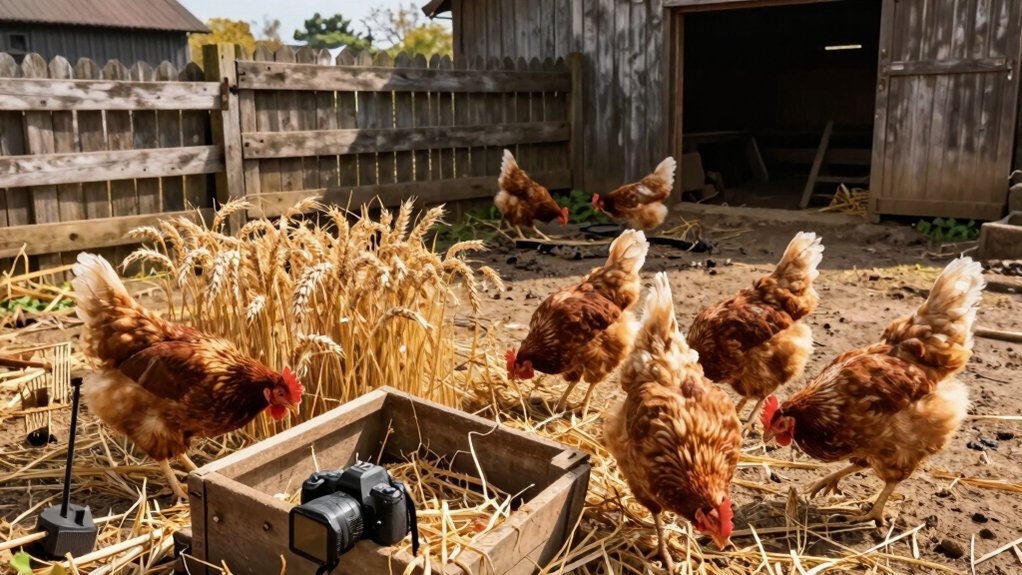
You’re right to wonder—chickens do need a coop, because without one they face predators, weather extremes, and disease. A proper coop gives each bird 3‑4 sq ft indoor space, roosts, nesting boxes, and ventilation, keeping them dry, safe, and stress‑free; otherwise rain chills them, heat scorches them, and predators like raccoons or foxes can wipe out a flock overnight. If you skip the coop, you’ll see lower egg production, sick birds, and constant fear—so the next step is to plan a simple, secure shelter.
Why Every Chicken Owner Needs a Coop
Why do you need a coop at all? You’re probably wondering if chickens can just wander the yard. Here’s the thing: a coop gives them a dry, insulated shelter when rain, wind, heat or cold strike. It’s like a house for people—protects them from the elements and keeps stress low.
How does a coop improve daily life? You’ll notice calmer roosting, fewer fights, and steadier egg production when birds have a consistent night spot. A dedicated nesting box keeps eggs clean and easy to collect, just like a pantry.
What about health and upkeep? Regular coop cleaning keeps parasites down and maintains coop hygiene. You’ll spot sick birds faster when they gather in one area. For a flock of 6-8 hens, providing 3-4 square feet of coop space per bird is recommended to ensure their health and happiness. To further support their well-being, the design should include adequate ventilation to maintain fresh airflow and prevent respiratory issues. If your birds do not have outdoor access, you must increase their indoor area accordingly to prevent overcrowding and maintain their welfare.
Takeaway: a coop isn’t a luxury; it’s essential for comfort, safety, and health. Ready to design a simple, easy‑to‑clean space?
How a Coop Shields Your Flock From Predators
If you’re wondering how a coop actually keeps predators out, you’re asking the right question.
What blocks predator behavior?
You’ll seal every door, vent, and corner with ½‑inch hardware cloth, because raccoons pry latches and weasels slip through ¼‑inch gaps. A solid wood or metal frame stops foxes and bobcats from pushing in, while an L‑shaped apron buried 12 inches forces digging predators to hit wire before they reach the floor. Since weasels can squeeze through incredibly small openings, relying on standard chicken wire is often insufficient for complete protection.
Why does nighttime activity matter?
Chickens roost after dusk, so a locked coop stops nocturnal raccoons, coyotes, and snakes from slipping in. Automatic doors eliminate human error at sunset, and a sealed roof plus netting blocks owls and hawks. Since most losses occur at night, ensuring your structure is secure before dark is critical to preventing attacks by nocturnal hunters like opossums and mink. Large owls can prey on chickens at dusk, making secure closure at twilight a vital defense against these raptors.
Takeaway
Layered defenses—buried cloth, secure latches, and a covered roof—create a fortress. Check doors and vents daily, and you’ll keep your flock safe. What’s your next step? Inspect your coop’s weakest point now.
Weather‑Proofing Your Coop: Heat, Rain, and Cold
You’re probably wondering how to keep your coop dry, cool, and warm without turning it into a sauna or a freezer.
How do I stop rain from soaking the coop?
Elevate the coop a foot off the ground and slope the roof with a 12‑inch overhang; water runs off, protecting walls and doors. Fill gaps with waterproof caulk and lay gravel or a French drain around the base for moisture management.
What ventilation tricks keep heat in check?
Install roof vents near the top and opposite side vents for cross‑ventilation; hot air escapes while fresh air circulates. Light‑colored roofing reflects sunlight, and a shade cloth cuts direct sun. In summer, frozen water jugs act like portable ice packs.
How can I keep winter warmth without trapping damp air?
Leave roofline vents open year‑round; they pull moist breaths out, preventing condensation. Add foam board insulation under the roof and bubble‑wrap windows, but avoid airtight sealing. A deep‑litter bedding layer generates gentle heat. Storm shields block wind chill while still allowing moisture to escape, preventing moisture buildup and fire hazards. Since chickens have natural insulation from their feathers, most flocks stay warm relying on cold-hardy breeds rather than artificial heat sources. Experts note that supplemental heat is recommended if coop temperatures fall below 35°F. While adult birds are hardy, they remain most comfortable and productive in moderate temperature ranges between 60 and 75 degrees Fahrenheit. Takeaway: Combine elevation, sloped roofs, strategic vents, and insulation for balanced temperature and moisture control. Next, consider how much space your flock needs for comfort.
Space Requirements: Indoor Square Footage, Perches & Run Size
What about perches? Aim for 8 inches of roost per standard bird, 12 inches for heavy breeds. Space them low, no higher than 2 ft, to keep balance easy. For nesting, you should generally provide one nesting box for every four to five hens to ensure sufficient access without competition.
How big should the run be? Provide 8–10 sq ft per chicken outdoors; six hens need 48–60 sq ft, ten need 80–100 sq ft.
Takeaway: Match indoor square footage, perch length, and run area to breed and access level. Now consider whether a commercial coop or a mobile shelter fits your space and mobility needs.
Must‑Have Interior Features: Roosts, Nest Boxes, Ventilation, Bedding
What should the interior of my coop actually include? You need roosts, nest boxes, ventilation, and bedding—each placed for comfort and cleanliness.
How do I arrange roosts and nest boxes? Use a 2 × 4 board with the 4‑inch side up for a flat roost, mount it higher than the nest boxes, and give each four hens one 12 × 12‑inch box with a sloped lid. This hierarchy follows interior layout strategies that keep sleeping and laying zones separate, reducing mess. By elevating the flock, you leverage their instinct for safety from predators while keeping them away from ground-dwelling threats, dirt, and parasites.
What about airflow? Install adjustable vents near the roof so warm, moist air escapes without creating drafts at chicken level. Proper ventilation cuts ammonia, keeping the flock healthy.
Which bedding works best? Choose absorbent, easy‑to‑replace litter like pine shavings; change it regularly for maintenance time savings and odor control. For winter warmth, spreading a thick layer of straw bedding provides excellent insulation due to its hollow structure, though it requires good ventilation to prevent mold. Alternatively, wood pellets offer superior moisture control by clumping around waste to reduce odor and minimize humidity risks.
Takeaway: A well‑planned interior—roosts up, nest boxes low, vents high, bedding easy to refresh—keeps your chickens comfy and your cleaning routine short. Ready to sketch your coop’s floor plan?
What Happens When Chickens Lack a Coop?
Anytime you leave your flock out after dark, predators become a real threat. You’ll see raccoons, foxes, hawks, and neighborhood dogs slipping through flimsy fences, and a single night can scatter or kill several birds.
How does the lack of a coop affect health?
Without a roof, rain chills them quickly, wind drafts raise stress, and heat can scorch them. Damp bedding invites respiratory issues, while standing water breeds parasites. Your hens will lay eggs in hidden spots, making collection a nightmare. Isolation can also lead to increased aggression and stress in chickens, worsening their overall health. Without secure locks, raccoons can easily manipulate simple latches to access unprotected birds. Using ¼ inch hardware cloth instead of flimsy chicken wire provides a critical barrier that prevents predators from breaching the enclosure. Bears are opportunistic predators that will kill chickens and damage coops if they associate your property with easy food sources like poultry feed.
What about behavior and safety?
Hens will fight over scarce roosts, sparking territorial disputes that weaken the flock. Predator habituation occurs when predators learn your birds are easy targets, increasing attacks over time.
Takeaway: A coop shields you from predators, weather, disease, and chaos.
Next step: Consider whether a simple shelter could solve these problems.
Special Situations Where a Chicken Coop Is Non‑Negotiable
You’re probably wondering why a coop isn’t just a nice‑to‑have but a must‑have in some cases.
When predators roam nearby, is a coop essential?
If you live where foxes, raccoons, hawks, or snakes hunt, a sturdy, elevated coop blocks their nightly raids. Motion lights and automatic doors add a layer of security, turning a vulnerable yard into a safe zone. The takeaway: without a coop, wild predators will find easy access, and your flock will suffer losses. Implementing electric fencing around the perimeter provides an additional psychological barrier that effectively deters foxes from attempting to breach your flock’s sanctuary. Raccoons are particularly dangerous as they can carry diseases like roundworm and rabies, making physical separation from your flock critical for safety.
What about disease prevention on a tight property?
In urban or suburban settings, coops keep chickens away from stray cats, other birds, and contaminated soil, limiting pathogen exposure. A clean, ventilated coop reduces ammonia and wet‑bedding risks, which are prime culprits for respiratory illness. The takeaway: a coop is your first line of biosecurity, protecting health and egg production.
Do extreme weather conditions make a coop non‑negotiable?
Harsh winters, driving rain, or scorching summer sun can kill unprotected birds. Insulated walls, proper ventilation, and sturdy roofs keep temperatures stable, cutting the need for supplemental heating. The takeaway: a well‑built coop shields your flock from climate extremes, ensuring survival and productivity.
Now you know when a coop isn’t optional. What’s your next step? Assess your local predator pressure, climate, and space to decide on the right design.
DIY vs. Ready‑Made Chicken Coops: Choosing the Right Option
Next step: Do you have the tools and time to DIY, or would a quick‑assembly kit free you up for other chores? Building your own structure allows you to tailor the design to provide the recommended 20 square feet of space needed for five hens while ensuring adequate ventilation and predator security. When planning for larger flocks, remember that overcrowding can lead to health problems, so it is best to prioritize a well-ventilated coop to ensure your birds remain happy and healthy.