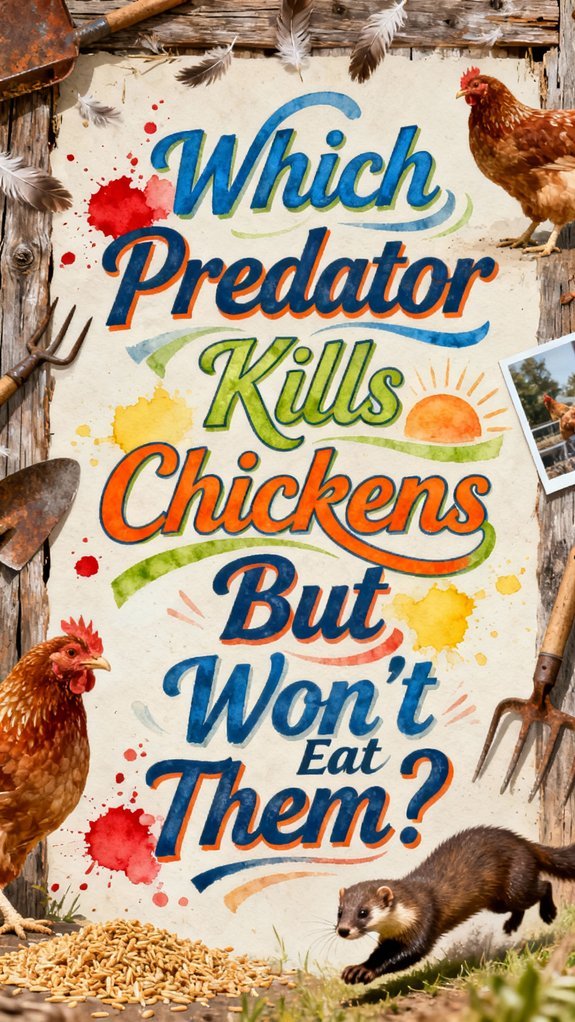
Dogs are your flock’s primary threat when you’re finding multiple dead chickens left uneaten. Unlike predators driven by hunger, dogs kill through prey drive—a instinct-triggered response to movement rather than nutritional need. You’ll recognize dog attacks by scattered feathers, multiple victims in one incident, and visible trauma without consumption. Most attacks happen at night when family pets access your coop. Understanding the specific evidence patterns and behavioral distinctions can help you implement targeted protective strategies.
Understanding Predatory Behavior in Poultry Attacks
Because different predators leave distinct signatures at attack sites, you’ll want to identify which threat you’re facing to implement effective defenses. Poultry predation patterns vary dramatically across species, revealing essential behavioral analysis clues. Hawks strike during daylight, carrying off entire birds without ground evidence, while owls hunt nocturnally, leaving characteristic talon wounds and severed heads. Large species like the great horned owl are particularly dangerous as they can take multiple birds at night, potentially increasing the severity of attacks. It is crucial to recognize the importance of coop security in minimizing predation risk. This is especially true when considering that possums tend to prey on vulnerable chicks and eggs rather than fully grown chickens. Weasels exploit tiny gaps, killing multiple birds wastefully with visible lacerations. Raccoons grab through fences, consuming only neck and chest sections. Skunks target critical areas through throat attacks, feeding onsite with obvious struggle signs. Opossums bite legs and abdomens, typically taking single birds. Foxes can carry whole chickens away, leaving found feathers as evidence of their predation. Each predator’s feeding habits, timing preferences, and kill patterns tell specific stories. Notably, bears are attracted to chicken coops due to their opportunistic nature and may cause significant damage without consuming the birds, especially during times when natural food is scarce. Maintaining hygiene in the coop and using effective predator control methods enables you to recognize your attacker and strengthen your coop accordingly.

Keep every hen you have at sunrise: predator lights for chicken coop that work the way a flock guardian does, two red eyes flashing at 4 Hz through the night, so a fox or raccoon finds the run already claimed and moves on

BIRD NETTING FOR CHICKEN COOP: Are you worried that hawks or owls might attack your chicken? This high-tenacity nylon netting features ultra-strong multifilament fibers—finer than ordinary coarse ropes yet with a 5.26kg tensile strength for superior tear resistance. You can keep Keep predator like hawks or owls out by simply draping your chicken run with this mesh netting. It keeps your chicken safely contained—no more jumping into neighbor's yard or destroying your garden!

Advanced Predator-Eye Deterrent Technology: Stop nighttime invaders before they breach your perimeter. This coyote deterrent uses powerful, flashing red LEDs to simulate the glowing eyes of a larger predator, instantly triggering a flight response in coyotes, raccoons, foxes, and skunks. It provides 24/7, non-lethal protection for chicken coops, gardens, and yards—no traps, chemicals, or harm required.
Dogs: The Primary Non-Consuming Predator
Unlike the consumptive predators that typically eat their kills, dogs represent a distinct threat category—they’re responsible for considerable poultry losses without actually feeding on their victims. Dogs’ social dynamics greatly influence attack severity; single dogs frequently cause incidents, yet multi-dog packs produce remarkably higher flock losses. Canine predation differs fundamentally from other predators because prey-drive activation stems from movement rather than hunger. To effectively safeguard your chickens from this threat, consider installing protective fencing that can deter dogs from accessing the coop. Your chickens face chase-induced trauma, mutilation injuries, or play-related fatalities that occur independent of feeding motivation. Maintaining a healthy hen to rooster ratio is also crucial, as it minimizes stress on the flock. Breed and individual variation matter significantly—working and terrier types demonstrate heightened prey drive. Research shows that most dogs involved in livestock attacks are family pets receiving adequate food at home. It’s essential to recognize that most losses occur at night, as this creates ideal conditions for non-consuming kills, making dogs your most unpredictable backyard threat.
How Dogs Hunt Differently Than Other Predators
While wolves follow a hunting sequence that begins with the hunt itself—orienting, tracking with their eyes, stalking, chasing, then executing a kill-bite before consuming—domestic dogs’ predatory behavior doesn’t follow this rigid progression. Your domestic dogs demonstrate considerable variation based on selective breeding for specific tasks. Herding breeds emphasize chase instincts without completion, while retrievers were selected to possess prey without damage. Hounds focus on stalking and flushing, whereas gundogs use nose and eyes for searching. This divergence from wolf hunting instincts reflects centuries of human selection. Environmental stimuli can intensify frustration in dogs when orientation occurs without finding prey, leading them to escalate their hunting efforts. Consequently, your dog might chase without killing, stalk without attacking, or abandon pursuit entirely—behaviors absent in wild canids. Additionally, chickens are vulnerable to predation during rainy weather, which can further complicate their safety. These modified predatory sequences explain why your dog kills chickens but leaves them unconsumed. Furthermore, a lack of effective solutions for treating lice infestations can contribute to weakened conditions in chickens, making them more susceptible to predation. Additionally, unlike many natural predators, which may be efficient hunters, dogs often engage in play or chase behavior that does not lead to consumption, as they are typically not motivated by the need to eat accessible food sources. To help protect your flock, consider implementing physical barriers to prevent dog attacks and ensure their safety. Providing homemade chicken treats to your flock can also help ensure they remain healthy and less vulnerable to predation.
Recognizing Signs of Dog Attacks on Your Flock
When a dog attacks your chickens, it leaves distinctive evidence that differs markedly from predation by other animals. You’ll notice multiple puncture wounds concentrated on the neck, back, and wings—spaced consistently with canine dentition rather than talon marks. Torn feathers in clumps indicate shaking damage, not clean pecking. You’ll find broken bones from blunt force trauma and fresh blood pooling throughout the run. Additionally, some bedding materials can exacerbate stress or respiratory issues in surviving birds, complicating their recovery. Furthermore, dogs typically do not employ efficient killing methods like weasels do, which underscores their unique impact on flocks. Establishing secure housing with strong materials can significantly reduce the risk of such attacks. Moreover, it’s important to remember that adding treats like fruits and vegetables can help improve the overall health of your flock during recovery.
Identifying signs of canine behaviors extends beyond physical wounds. Survivors display rapid-onset shock: pale combs, extreme lethargy, and reluctance to move. You may observe drag marks where birds were pulled. Canine behaviors also manifest in the attack pattern—scattered feathers following a chase trajectory rather than concentrated plucking sites. Unlike predators that consume their prey, dogs may leave multiple killed chickens uneaten, driven by prey drive rather than hunger. For example, effective barriers like sturdy fences can help protect your flock from such attacks.
Scene evidence clinches identification: canine paw prints with visible claw marks, sometimes with toe spread patterns indicating domestic dog size.

High-Quality Anti-Rust Process This hardware cloth is made from high-strength low-carbon steel wire, combining excellent strength with flexibility. After precision welding, the entire product undergoes a premium anti-rust treatment—hot-dip galvanization—with special reinforcement at all seams and corrosion-prone areas to ensure uniform, dense coating and outstanding rust resistance. This process grants the product superior weather resistance, making it an ideal choice for wire mesh fencing and long-term outdoor applications.

【Anti-rust】: The surface of our rebar stakes is galvanized and designed to not rust and can withstand all types of wind, rain and snow, ensuring it maintains its smooth appearance over time.

Chicken Wire Fencing - Hardware mesh is suitable for chicken fence/chicken cage fence, raised garden bed, screen, rabbit/snake fence, tree guardrail, gutter, under the eaves, soil screen, gutter guardrail, flower bed, poultry fence, home decoration project, handicraft DIY production, etc. You can turn it into anything you want. Multiple sizes are available for your choice
Distinguishing Dog Kills From Other Predator Damage
To accurately identify dog predation, you’ll need to recognize how canine attack patterns differ fundamentally from those of other predators. Dogs kill for sport, leaving scattered, mutilated bodies across your flock rather than carrying victims away. You’ll observe widespread chaos—broken necks, torn flesh, and dispersed feathers—without consumption. Interestingly, similar to how the genetic basis of leg color is distinct among chicken breeds, the patterns of destruction left by dogs are unique and indicative of their behavior. Additionally, ensuring your coop has predator-proof fencing is crucial to safeguarding against such attacks. Implementing a secure hardware cloth at the bottom of your run can further protect your hens. Raccoons and weasels are also known to be predatory threats, highlighting the importance of being vigilant.
Distinguishing features of dog kills include multiple victims killed in single incidents and flock-wide pursuit patterns. Unlike hawks or owls that remove adults wholly, dogs leave chaotic scenes. Weasels create bloodied intact bodies with eaten organs; dogs scatter remains broadly. Foxes and coyotes quietly carry off prey; dogs leave visible destruction and trauma signs. Security cameras can provide documented evidence of the attack for legal accountability purposes. It’s important to note that cooked beans can be a healthy treat for your chickens, ensuring that their diet remains nutritious amidst the stress of predation.
Snakes and raccoons target chicks; dogs attack adult birds indiscriminately. The stress-induced egg-laying disruption lasting days or weeks further confirms canine involvement in your flock losses.
Why Dogs Kill Without Eating
Dogs kill chickens without consuming them because they’re driven by instincts, play behaviors, and the thrill of the hunt rather than hunger. Selective breeding has sharpened canine instincts for pursuing small prey, making chickens irresistible targets regardless of dietary need. Your dog likely views the chase as entertainment, not sustenance. Playful aggression transforms chickens into toys—your dog shakes and tosses them like rag dolls, causing fatal injuries from panic or physical trauma. Unlike wild predators that feed on kills, domestic dogs often leave carcasses scattered and uneaten. This distinction reflects their motivation: sport and instinct override hunger. Your pet’s repeated attacks on the same flock reveal pattern-driven behavior, not nutritional necessity. Other predators such as coyotes and foxes are equally capable of killing poultry and should be considered as potential culprits when investigating backyard incidents.
Protecting Your Chickens From Canine Predators
Since predation patterns reveal that both family pets and working dogs attack poultry regardless of breed, size, or training history, you’ll need an extensive prevention strategy. Implement robust physical barriers—secure fencing and kennels—to restrict dogs’ access to your flock. Establish consistent flock supervision during vulnerable periods, particularly when neighborhood dogs roam freely. Prioritize dog training with proper introductions between canines and chickens, recognizing that chase instincts override breeding intentions in most cases. Additionally, a fence height of at least 4 to 6 feet can help keep chickens secure from both aerial and ground predators, while larger breeds may require a fence closer to 4 feet. Guardian dog puppies require supervised interaction to prevent lethal play behavior, as chickens can be seen as prey. Additionally, breeds like the Anatolian Shepherd and Great Pyrenees are known for their strong guarding instincts, making them effective in protecting poultry. Accept initial chicken losses as training investments for young dogs. It’s also essential to provide them with a balanced diet containing quality layer feed to ensure their effectiveness. Secure your coop against free-roaming animals by installing predator-resistant enclosures. It’s essential to create a secure environment to ensure both the safety of your chickens and the peace of mind for their caregivers. Monitor your own dogs closely around small livestock, understanding that even well-fed, socialized pets may succumb to predatory impulses. Dog owners must take full responsibility for their pets’ actions, which includes securing dogs to prevent escapes and being aware that even responsible owners can face unforeseen circumstances.

【SIZE】Pack of 10.Available in 6 length sizes for you to choose from:3ft,4ft,4.8ft,5ft,6ft,7ft.

Sturdy & Durable Fence Post: Made from 2 mm (0.08") thick Q235 carbon steel, this fence post offers high strength and rigidity. The U-shaped channel design improves bending resistance, while the powder-coated finish provides UV protection and corrosion resistance, ensuring durability in all weather conditions.

Upgraded Version: Constructed with 0.9mm steel wire. Compared with standard 0.6mm wire, it delivers enhanced durability and superior stability. This steel wire mesh comes in a 4ft x 150ft roll. It features 2-inch spacing between twisted knots, with a 3.6-inch measurement across opposite corners of each hexagonal opening. Please pay attention to the size before making the purchase.
Other Predators That May Leave Birds Uneaten
While canine predation follows predictable patterns, you’ll encounter several other predators that kill poultry without fully consuming their prey, each leaving distinctive evidence at attack sites. Raccoons and weasels exemplify wasteful predatory instincts, killing multiple birds per visit despite limited consumption. Raccoons target heads and crops, reaching through fences to decapitate victims. Turkeys can also pose a threat to chickens during breeding season, becoming aggressive and potentially endangering their safety. Weasels, though small, exploit poultry vulnerabilities by squeezing through one-inch gaps, inflicting multiple wounds before abandoning carcasses. Opossums show more restraint, typically killing one bird and consuming only the abdomen and vent onsite. Birds of prey demonstrate selective feeding: hawks consume breast meat during daylight attacks, while owls target heads and necks nocturnally. Fisher cats often focus on the head and neck regions when attacking chickens, similar to other predators’ targeting patterns. Understanding these distinctive killing patterns helps you identify which predator threatens your flock.
Creating a Predator-Proof Coop Strategy
Now that you’ve identified which predator threatens your flock, you’ll need to implement thorough coop design strategies that eliminate vulnerabilities. Your coop location should prioritize visibility in open areas, preventing predators from approaching undetected. Secure materials like pressure-treated lumber and 1/4-inch hardware cloth create impenetrable barriers against claws and snouts. Raccoons, known for pulling off and consuming chicken heads, often test these barriers, making it crucial to plan accordingly. They are one of the most common predators of chickens and can be quite relentless in their attempts to access your flock. Additionally, using traps and other non-lethal methods to manage rodent populations can help mitigate the risk of rat poison hazards that could threaten your chickens’ safety. It’s also essential to understand that hawk attacks can target your hens, so employing varied protective measures is critical. A well-constructed coop should consider incorporating a dust bath area for your chickens to promote their health and comfort. Anti-digging measures—including 12-inch buried cloth and concrete footings—prevent ground-level breaches. Run protection requires complete roofing and hardware cloth lining to block aerial and climbing predators. Finally, integrate predator deterrents such as motion-sensor lights and automatic locking doors. Daily inspections identify gaps before exploitation. Installing guard animals like roosters can provide additional protection by actively monitoring and defending against approaching threats. This multi-layered approach addresses each predator vector extensively, substantially reducing attack success rates and protecting your flock’s safety.

Strong & Solid Craft: The hardware cloth 1/2 inch 48 x 100 ft choose high-quality wires, strong and firm welded, uniformly vinyl coated; Smooth mesh surface, each hole of the same size; Beautiful appearance, with a certain decorative function; Strong structure, high corrosion resistance; Easy to install, not easy to fade or deform
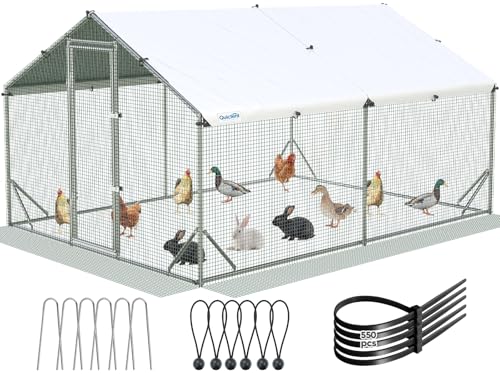
Durable Welded Hardware Cloth & Ground Skirt: Features 1" x 1"(20 gauge) square welded hardware cloth on side walls with thickened PVC coating for superior durability and predator resistance. Combined with the extended ground skirt, it provides a professional safeguard for various poultry like dog kennels, rabbit cages, or sheep pens.

Durable Welded Hardware Cloth & Ground Skirt: Features 1" x 1"(20 gauge) square welded hardware cloth on side walls with thickened PVC coating for superior durability and predator resistance. Combined with the extended ground skirt, it provides a professional safeguard for various poultry like dog kennels, rabbit cages, or sheep pens.